
Spanish and Portuguese are two of the most spoken Romance languages on the planet, together claimed as a mother tongue by roughly 660 million people. Born a few hundred kilometres apart on the Iberian Peninsula, they still share a striking amount of vocabulary and grammar thanks to their Latin roots. How can you decide which one is worth your time? Take a look at their impact:
Why do Portuguese and Spanish sometimes sound like the same language with a different accent? How do they truly overlap, where they diverge, and how can you learn new words?
Spanish has 440 million native speakers across 20 countries, and Portuguese has 220 million native speakers across 4 continents.


Historical Background
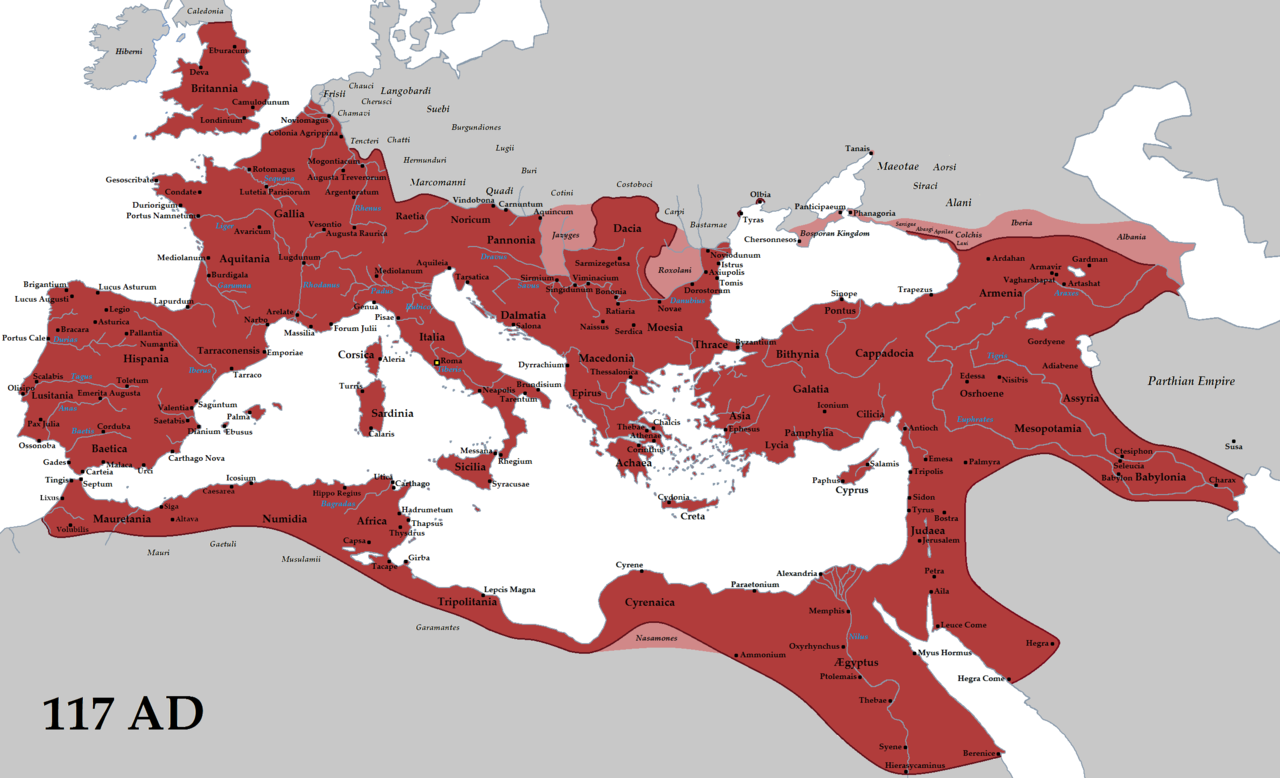
The history of Spanish, and of Portuguese, starts with the Romans bringing Latin to the peninsula when they conquered it in the 3rd century BC. Latin was the dominant language there for around 600 years. Still, during this time the language itself evolved and changed into the street-level version (known as vulgar Latin) that would eventually split into distinct languages.
After Rome's decline, Germanic invasions left a mark. The new rulers were Gothic speakers, which didn't really catch on in the area, but parts of the language did start to mix with the vulgar Latin being spoken there.
But it was the next invasion by the Arabic-speaking Moors from North Africa that saw Portuguese and Spanish start to become recognizable. The Kingdom of Asturias in northern Spain was able to repel the Moors' advances, and began to expand itself in the 9th and 10th centuries AD. It became the epicentre of the Reconquista, the retaking of the Iberian Peninsula from the Muslim powers in the 11th and 12th centuries.
By this point, vulgar Latin had evolved in unique ways in both places, and their establishment as independent states ensured that they continued to do so because they were no longer subject to powers ruling over them and imposing their own language on their territories.
Their ability to remain independent, and finally defeat the Moors, allowed them to standardize their languages individually, giving us the Spanish and Portuguese that we have today. Although there are other survivors from the vulgar Latin of those days, Galician and Catalan are perhaps the two languages most widely spoken.
Primarily spoken in regions of Spain, it is believed that they actually share more commonalities with Portuguese than they do with Spanish. Particularly, the differences between Catalan and Spanish come as a shock to people who assume they are almost the same language.
Other dialects that came from vulgar Latin at this time became marginalized as Spanish and Portuguese exerted their dominance over the Iberian Peninsula. Some of these languages do still exist in certain areas, but very few people speak them. These include Aragonese, Leonese, and Navarrese.
Similarities Between Spanish and Portuguese
So, we have seen how Portuguese and Spanish developed on the Iberian Peninsula over the course of almost 2,000 years, and we have established that each is a foreign language in its own right, but how similar are the two languages that we have today?
Linguistic Similarities
The shared Latin root between Spanish and Portuguese means a lot of coinciding vocabulary, even when pronunciation diverges from region to region, especially between Castilian Spanish and Latin American Spanish, as well as Portuguese from Portugal and Brazil. Grammatically, both languages have these main similarities:
In terms of similar vocabulary (although the pronunciation differs), they share terms such as:
| English | Spanish | Portuguese |
|---|---|---|
| Police | Policía | Polícia |
| Mrs | Señora | Senhora |
| Year | Año | Ano |
| Country | País | País |
| Small | Pequeño | Pequeno |
Differences Between Spanish and Portuguese
Pronunciation Variations
On paper, the two languages can look almost interchangeable, sharing a family resemblance that an English speaker wouldn't recognize as easily (or you'll learn it eventually at your Spanish classes Calgary). Spoken aloud, stress patterns, syllable rhythm and verb intonation change.

Spanish is famously phonetic, with a few exceptions ("ll" as a "y" sound, "j" closer to an English "h", silent "h"); contrary to French, you pronounce it exactly as it's written.
Portuguese behaves more like French: nasal vowels, softer consonants, and a noticeably larger vowel inventory (Portuguese has 7-9 vowel sounds versus Spanish's 5).

That extra phonetic complexity is a big reason Spanish speakers often find spoken Portuguese harder to follow than the reverse. Plenty of words look identical or near-identical in the Spanish-Portuguese universe, but mean something completely different:
False Friends
There are plenty of words found in both Spanish and Portuguese, which are spelt the same and have exactly the same meaning. This is great if you want to learn both languages as it makes your job a lot easier, but be aware that there are also plenty of words that are spelt the same, or very similarly, but have very different meanings. So don't always assume that because a word means one thing in Spanish, it means the same in Portuguese, or vice versa! Some quick examples of Portuguese-Spanish friends are:
| Word | Spanish Meaning | Portuguese Meaning |
|---|---|---|
| Aceite | Oil | Accepted (form of "aceitar", to accept) |
| Acordar | Remember, agree | Wake up |
| Cena | Dinner | Scene |
| Fechar | Date | To close |
| Latido | Heartbeat | Barking |
| Logro | Success, achievement | Deception, fraud |
| Solo | Alone | Ground, soil |
Grammatical Differences
Aside from the regional differences, in general terms, verb conjugation patterns, amount of vowel sounds, pronoun placement (Portuguese is more flexible in the placement of object pronouns), and some tense usage diverge enough that fluency in one doesn't hand you fluency in the other. So, can a Spanish speaker understand a Portuguese speaker? Partially, and asymmetrically.
Spanish and Portuguese are close linguistically, but they aren't interchangeable. Written Portuguese is often easier for a Spanish speaker to figure out than spoken Portuguese is to follow by ear, largely because of that expanded vowel system and softer consonants.
Cultural and Geographical Context
Portuguese speakers, especially those from Brazil, tend to understand spoken Spanish more easily due to greater exposure to regional media in Latin America. The real differences show up the moment someone starts speaking rather than reading: Portuguese's expanded vowel system and nasal sounds set it apart from Spanish's more predictable phonetics.
Geographical Similarities
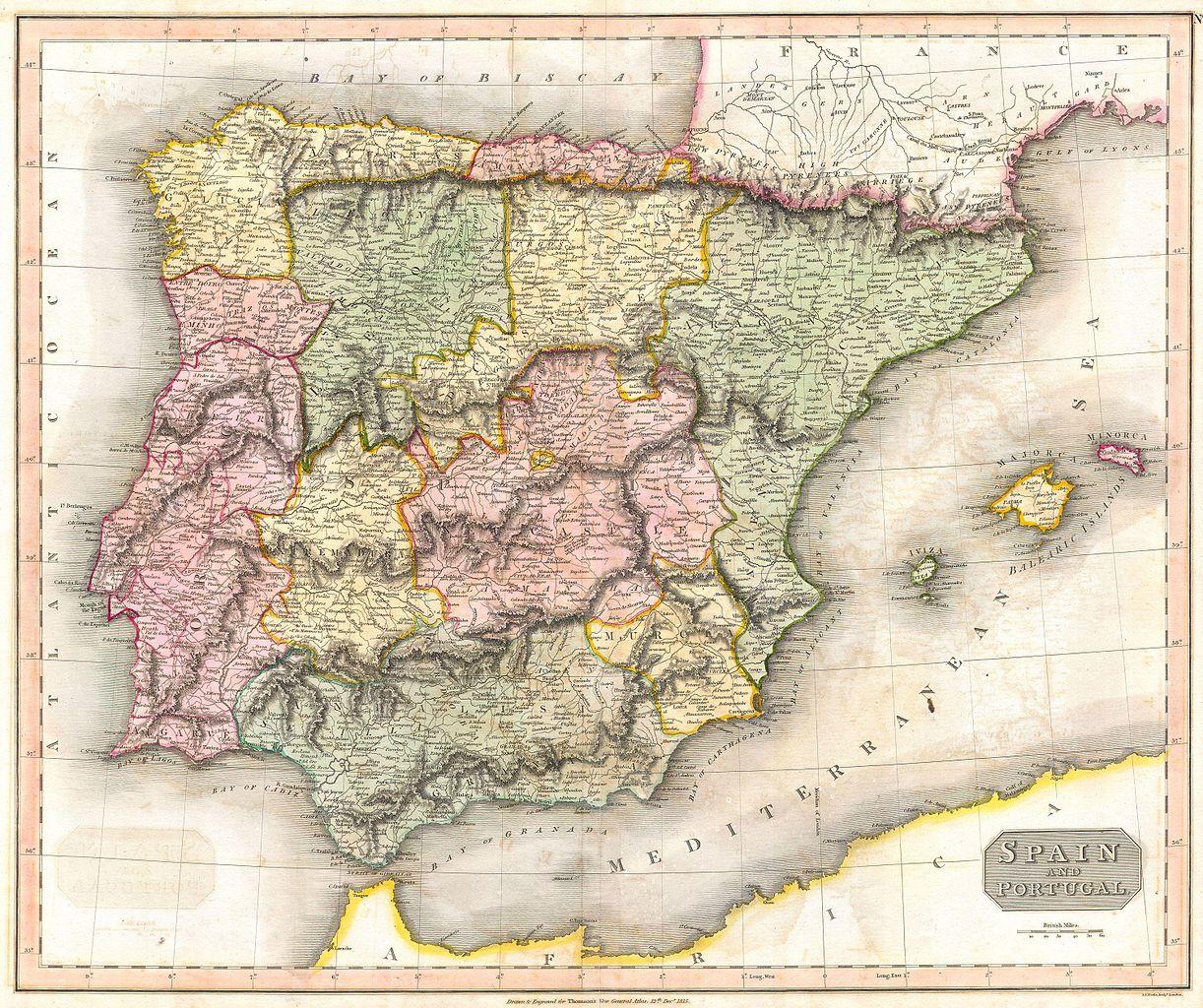
The geography of the Iberian Peninsula, where we find modern-day Portugal and Spain, meant that the Portuguese and Spanish developed hand-in-hand, and in relative isolation. This is the most western part of mainland Europe, separated from the rest of the continent by the Pyrenees mountains, where the Spanish-French border is located, and surrounded (apart from the small northern mountainous connection to France) by sea.
As a result, the linguistic change over more than a thousand years was an insular process that affected the peninsula as a whole.

Today, Spanish and Portuguese dominate some of the biggest regions of the globe, with Latin America's overwhelmingly Spanish-speaking territory and Brazil, one of the largest and most populous countries; they are also co-official in Equatorial Guinea, and Cuban influence during the Cold War left pockets of Spanish speakers inside Portuguese-speaking Angola.
Cultural Context
Each Spanish-speaking country has its own unique and distinct culture. Learning Spanish can teach you about the language and culture of each one. From Spain, you could learn to appreciate another level of traditional Spanish food beyond paella, such as gazpacho and jamón ibérico, or the art of Pablo Picasso, Salvador Dali, or Francisco Goya.
Spanish-language music has been made world-famous by artists such as Shakira, Bad Bunny, and Rosalía.
Even a semester of Spanish lessons online, could help you understand their lyrics better, as well as open your musical tastes to salsa, vallenato, and reggaeton. What's more, the remnants of several different civilizations can be found in Spanish-speaking countries; you can still visit their archaeological sites and learn about their histories. These include:
- 🌎 the Mayans in southern Mexico, Guatemala, Belize, and western parts of Honduras and El Salvador
- 🇲🇽 the Aztecs in central and northern Mexico
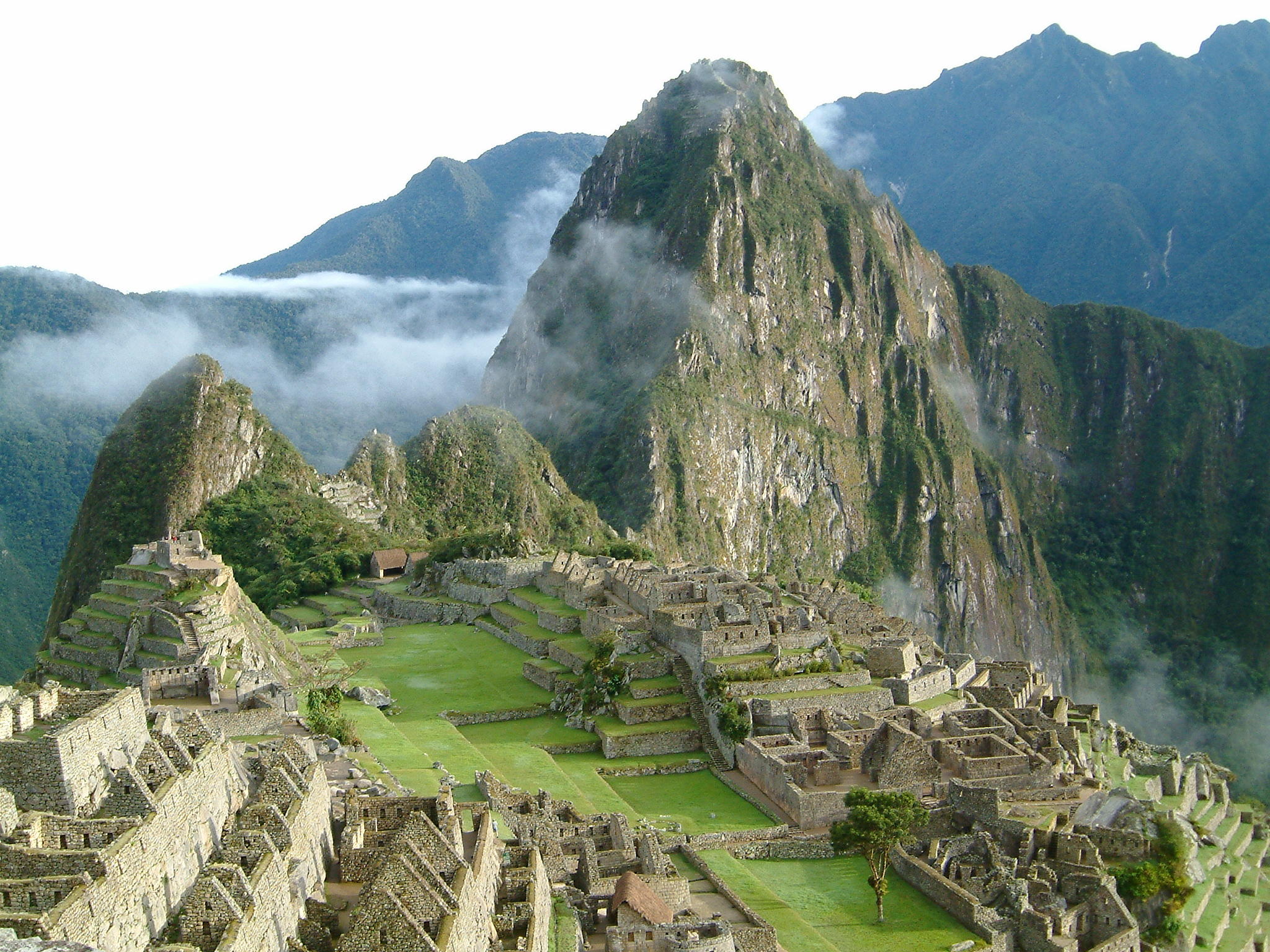
- 🇵🇪 the Incas in parts of Peru, Ecuador, Bolivia, Chile, and Argentina
Portuguese is a language spoken far and wide; it ranks fifth on the list of languages by number of countries using it in an official capacity. There are Portuguese-speaking countries all over the world offering a wide range of different cultural experiences:
- 🇵🇹 Portugal is a country that you would love not only for its touristic side. In Lisbon and Porto, you'll find an endless source of history, culture, and sights to see.
- ✈️ Moving past Portugal and Brazil, countries such as São Tomé and Príncipe are rapidly growing their tourist industries, meaning that such places could be high on people's lists in years to come.
- 👬 Learning Portuguese is a perfect opportunity to expand your horizons outside Europe by getting to know Brazil, the 5th largest country in the world with 210 million people and the world's 8th largest economy.
- 💰 One of the fastest-growing on the planet in the first decade of the 2000s, Brazil has seen so much growth that both imports and exports increased by around 300% each during this time. It has the eighth highest number of billionaires in US dollars of any country in the world according to the Forbes rich list, and its status as the biggest economy in Latin America has seen it assume a prominent place in organizations such as Mercosur, the G8+5, the WTO, and many more. The power of Brazil is clear.
Why Learn Spanish
A very useful language, Spanish is used by the UN, EU, African Union, and WTO. Today, it is the official language in 20 countries, including Mexico, Argentina, Colombia, Cuba, and, naturally, Spain, which opens up one of the main cultural touchpoints in Europe, from Cervantes' literary legacy to the art of Picasso, Dalí, and Goya.
The widespread use of Spanish means that learning the language of Miguel de Cervantes could improve your career prospects by making you more valuable to an employer that deals with a Hispanic country, business, or organization.
Learning Spanish for Travel Reasons
As you can probably imagine, Spanish being spoken in 20 different countries means you can find a trip or holiday for almost anywhere. Spanish-speaking countries boast some of the world's best beaches, tallest mountains, largest rainforests, and most spectacular cities and cultures. But you'll need to learn beginner Spanish before travelling to get the most out of your trip!
Two of the New Seven Wonders of the World are in Spanish-speaking countries, and Lonely Planet, one of the world's largest guidebook publishers, has named three Spanish-speaking cities in its list of top 10 must-visit cities for 2018.
Across all of the Spanish-speaking countries, you will find a city break, hiking trip, and beach holiday perfect for you, and perfect to practice what you've learned in your Spanish classes Vancouver here on Superprof.
Why Learn Portuguese
Portuguese is a language that has a wide geographic spread. Although fewer people speak it than Spanish (Portuguese has 220 million native speakers), it actually reaches more continents, as it is used as an official language in countries on four continents compared to Spanish's three. Portuguese is spoken in:
🇦🇴 Angola
🇧🇷 Brazil
🇨🇻 Cape Verde
East Timor
🇬🇶 Equatorial Guinea
🇬🇼 Guinea-Bissau
🇲🇿 Mozambique
🇵🇹 Portugal
🇸🇹 São Tomé and Príncipe
In Europe, Portuguese has fewer second-language speakers than Spanish, French, or German, meaning less competition in Portuguese-speaking job markets; Portuguese speakers are highly sought after in several different fields, including tourism, economics, and business, to name a few.
- As a Portuguese speaker, you would be an asset for a wide range of companies and organizations looking to tap into this emerging economy.
- Speaking Portuguese will make you stand out from the crowd. There are currently fewer people who speak Portuguese as a second language than other languages such as French, German, and Spanish.
- By speaking Portuguese, you will be more in demand than speakers of these other languages because you will be competing against fewer people with the same skill set.
The growth of Brazil (which we will look at next) also makes speaking Portuguese an excellent ability to have, and when you consider that UNESCO estimates Portuguese speakers to rise to 335 million by 2050, it is definitely a language for today and for tomorrow.
Learning Spanish vs. Portuguese
Factors to Consider

📚 Career goals: Spanish gives you reach across more countries; Portuguese gives you an edge in a market with fewer competing speakers, especially around Brazil's economy.
✈️ Travel: Spanish covers more ground; Portuguese covers different ground.

🧠 Personal interests: culture, music, or literature you're drawn to is often the strongest predictor of who actually finishes a language course.
Learning Resources and Strategies
- Both are considered among the easier languages for English speakers to pick up.
- Learning one genuinely accelerates learning the other, thanks to the shared vocabulary and grammar patterns above. One-on-one tutoring helps most with the pronunciation gap described above, since that's the piece self-study apps struggle to correct.
Should You Learn Spanish or Portuguese?
As we have shown, Spanish and Portuguese share roots, and as such, there is some crossover between the two. The advantages of both languages include:
- Widely spoken (spoken by a combined total of 660 million native speakers)
- Useful for international travel (28 countries use these two languages in an official capacity)
- Good for increasing your career prospects
- Excellent opportunity for learning about new cultures
- Two of the easiest languages to learn for English speakers
The decision of which one to learn is your call; both would be an undeniable asset to you. It largely depends on your personal circumstances and how you plan to use the language you choose. So, what should be noted is that learning one could help you learn the other. So why stop at just one of them? Why not go for it and learn both of them! Search for exceptional Spanish lessons in Saskatoon here.
References
- Spanish: A Language to the World 2025 - Instituto Cervantes (2025). Available at: https://observatoriodelespanol.cervantes.org/wp-content/uploads/2025/10/Spanish_a_language_to_the_world_2025.pdf (Accessed: July 2026).
- World Portuguese Language Day - UNESCO (2026). Available at: https://www.unesco.org/en/days/portuguese-language (Accessed: July 2026).
- Lexical Simplification Benchmarks for English, Portuguese, and Spanish - arXiv (2022). Available at: https://arxiv.org/pdf/2209.05301 (Accessed: July 2026).
- Spanish is better than English for discriminating Portuguese vowels: acoustic similarity versus vowel inventory size - National Center for Biotechnology Information, NIH (2014). Available at: https://www.ncbi.nlm.nih.gov/pmc/articles/PMC4212600/ (Accessed: July 2026).
Summarize with AI:
Did you like this article? Leave a rating!


 Loading...