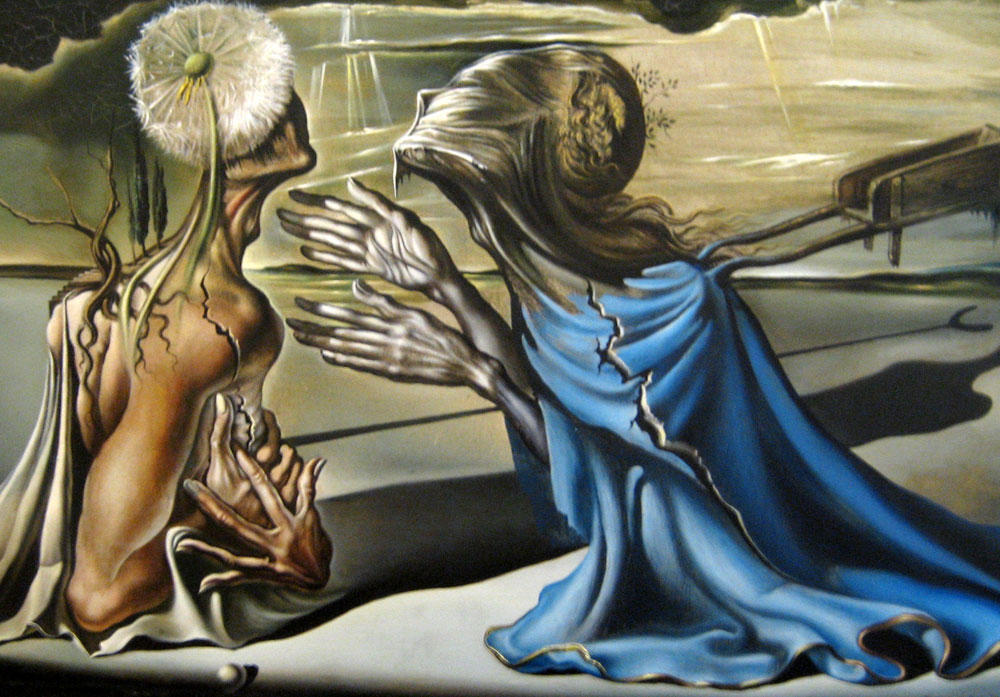

Spanish is not only rich in vocabulary and grammar, but also in wisdom, creativity and humor reflected in its famous quotes and proverbs. Throughout Spain and Latin America, writers, artists and philosophers have inspired us with memorable quotes. Whether you're seeking inspiration, love advice, or life lessons, these proverbs and sayings offer valuable insights.
In this article, we've curated famous and inspirational Spanish quotes, complete with English translations, to enrich your understanding and appreciation of the Spanish language.


Understanding the Essence of Spanish Quotes
Spanish quotes and proverbs offer a wonderful window into the language, its history and its traditions. While some were written by famous authors, others have been passed down from generation to generation, becoming timeless phrases that creatively convey universal truths in just a few words.
For those learning the language, understanding Spanish quotes goes beyond simply translating individual words. These expressions reveal how native speakers convey emotions and perceive the world. Studying them helps students become familiar with vocabulary and syntactic structures to better understand cultural references.
Categories of Spanish Quotes
Spanish quotes cover a wide range of emotions, experiences and philosophies. So, to provide you with a comprehensive collection, we’ve divided these famous Spanish quotes into various categories. Explore quotes about love, friendship, motivation, life, success and much more.
Inspirational Spanish Quotes
Need a little motivation? These inspiring quotes in Spanish reflect perseverance, hard work and optimism, making them perfect for staying focused and inspired whenever you need them.
| Spanish Quote | English Translation | Perfect For |
|---|---|---|
| Si te caes siete veces, levántate ocho. | If you fall seven times, get up eight. | Overcoming setbacks |
| El que madruga, Dios le ayuda. | God helps those who rise early. | Encouraging hard work and discipline |
| Árbol de la esperanza, mantente firme. | Tree of hope, remain strong. | Offering encouragement during difficult times |
| Tengo un día. Si lo sé aprovechar, tengo un tesoro. | I have one day. If I know how to make the most of it, I have a treasure. | Appreciating the present moment |
| Este mundo no va a cambiar a menos que estemos dispuestos a cambiar nosotros mismos. | The world won't change unless we're willing to change ourselves. | Inspiring personal and social change |
Discover the rich diversity of the Spanish language. Discover the differences in accents across the Spanish speaking world.
"Si te caes siete veces, levántate ocho."
(If you fall seven times, get up eight.)
This proverb reflects resilience, perseverance, and determination in the face of failure. It’s one of those phrases that reminds us that setbacks are a natural part of life and that true success lies in keeping at it despite obstacles. Although it’s of Japanese origin, this famous saying has become popular throughout the Spanish-speaking world. Today, this phrase can be used in various contexts to inspire people to stay optimistic and never give up.
Did you know that although the phrase "Si te caes siete veces, levántate ocho." is very popular in Spanish, it originally comes from a traditional Japanese proverb, which translates as Nana korobi, ya oki (七転び八起き)?
When to use it:After failing an important test, she studied even harder and passed the next time. As they say, "Si te caes siete veces, levántate ocho."
"El que madruga, Dios le ayuda."
(God helps those who rise early.)
“El que madruga, Dios le ayuda” is a traditional proverb that is also very common among Spanish speakers. Although it has no known author, it has been passed down from generation to generation. It emphasizes the value of diligence, discipline, and initiative. Above all, it suggests that proactive and prepared people are more likely to create opportunities for themselves. And interestingly, this is deeply rooted in the Christian heritage of Spain and Latin America.
When to use it:He left home at dawn to avoid traffic and was the first to arrive at the job interview. As the saying goes: "El que madruga, Dios le ayuda."
"Arból de la esperanza, mantente firme."
(Tree of hope, remain strong.)
Frida Kahlo, one of the most famous painters, was born in 1907 in Mexico City. Her famous self-portraits were inspired by the physical pain caused by the serious injuries she sustained in a bus accident at age 18, an experience that built her tremendous mental strength, reflected in her work and which, in itself, could serve as a metaphor for moving forward.
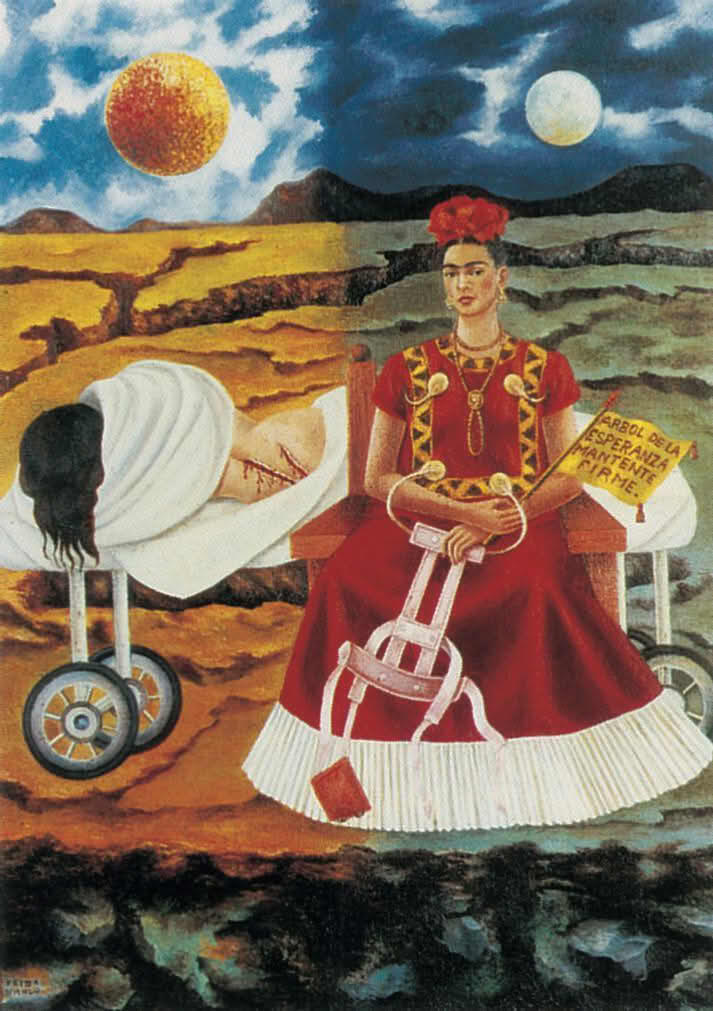
Indeed, her "Arból de la esperanza, mantente firme" is the title of one of her works, which shows the canvas divided into two.
One side is in darkness with the moon in the sky and depicts Kahlo sitting down in traditional indigenous dress, and the other is in the daylight with the sun in the sky, and shows a woman lying down on a hospital bed with bleeding scars on her back.
Focusing on the quote itself, she appears to be saying that maintaining hope is the key to moving through difficult times.
When to use it:Even after several rejections, she refused to give up on her dream of becoming a doctor. "Árbol de la esperanza, mantente firme."
People don't often know the differences between Catalan and Spanish, and often assume them to be almost the same thing.
"Tengo un día. Si lo sé aprovechar, tengo un tesoro."
(I have one day. If I know how to make the most of it, I have a treasure.)
This phrase is attributed to Gabriela Mistral, a Chilean poet, educator, and diplomat. Mistral was the first Latin American author to receive the Nobel Prize in Literature in 1945 and is recognized for her writings on love, betrayal, travel and nature, to name but a few. Some of her key works include Sonetos de la Muerte (Sonnets of Death) and Lecturas Para Mujeres (Readings for Women).
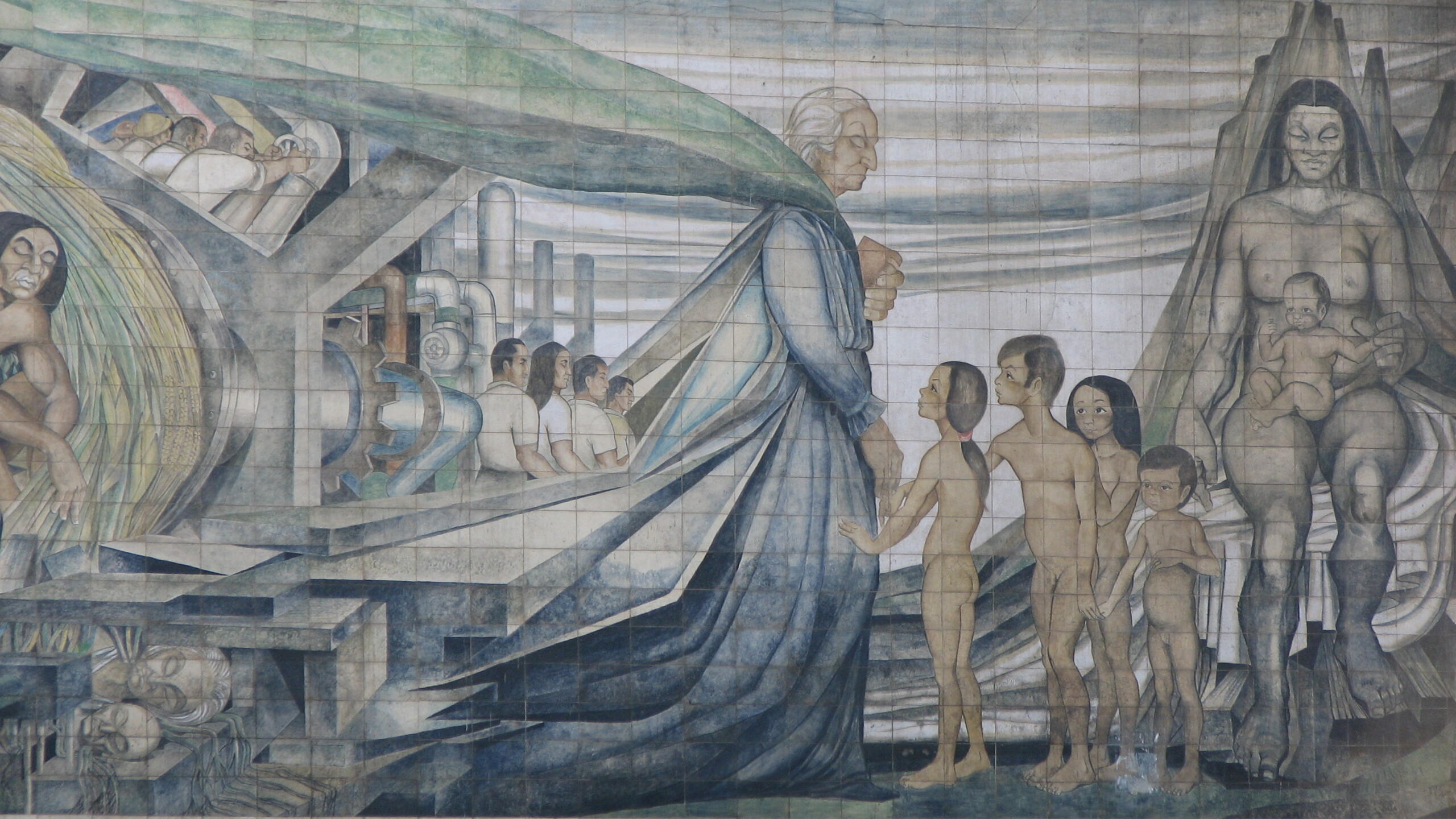
This reminds us that every day is a new opportunity to try anything we want. Instead of focusing on the future or obsessing over the past, this phrase encourages us to appreciate the present and make the most of every moment.
The 1945 Nobel Prize in Literature was awarded to Gabriela Mistral for her lyrical poetry inspired by intense emotions, which has made her name a symbol of the idealistic aspirations of all of Latin America. 1
When to use it: Instead of procrastinating, he stayed focused on his goals and made the most of every study hour. As the saying goes: "Tengo un día. Si lo sé aprovechar, tengo un tesoro."
Would you like to explore more about Latin American literature? Find Spanish lessons in Saint-John.
"Este mundo no va a cambiar a menos que estemos dispuestos a cambiar nosotros mismos."
(The world won't change unless we're willing to change ourselves.)
Rigoberta Menchú perhaps isn't the most well-known figure from the Spanish-speaking world, but this Guatemalan Nobel Peace Prize winner has had a big impact on the world. She has worked tirelessly to promote the rights of Guatemala's indigenous community, and particularly those of the female indigenous population.
Through this phrase, we can reflect how true change begins with personal responsibility, our own actions, attitudes and values to create a better world. The message reflects the author’s lifelong work promoting peace, human rights, and social transformation.
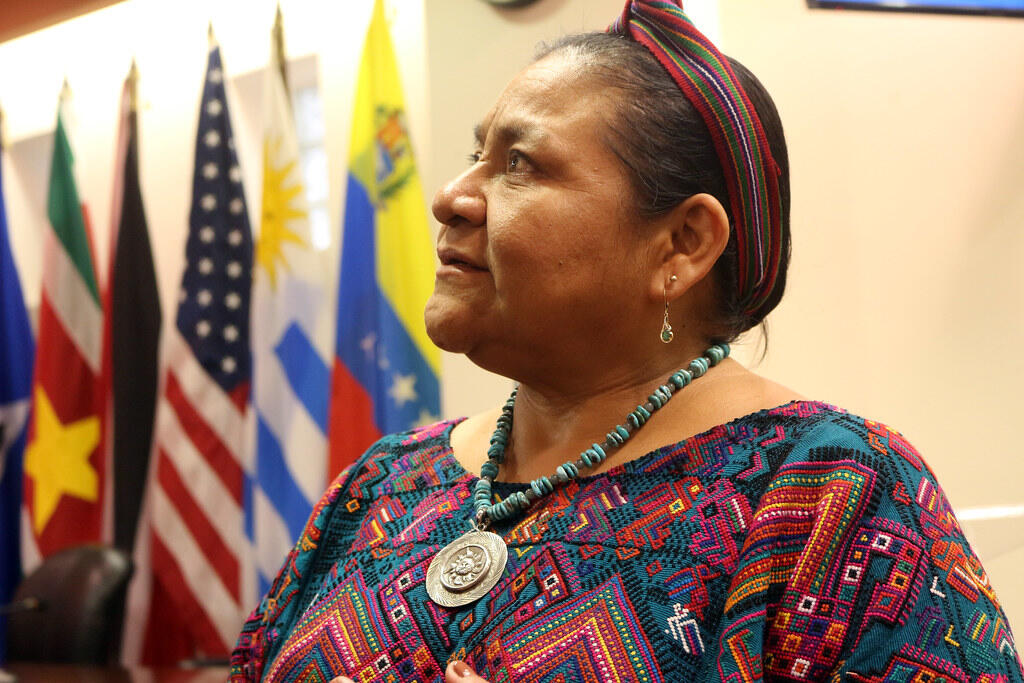
When to use it: Rather than waiting to solve the problem, the community decided to take action and save the sea turtle nests before it was too late.As the saying goes: "Este mundo no va a cambiar a menos que estemos dispuestos a cambiar nosotros mismos."
The 1992 Nobel Peace Prize was awarded to Rigoberta Menchú Tum for her struggle for social justice and ethnocultural reconciliation, based on respect for the rights of the indigenous peoples affected by the Guatemalan Civil War (1960–1996). 2
Practice your Spanish grammar and vocabulary through Spanish lessons near you in London.
Love and Friendship Quotes
Love and friendship are universal themes that inspire some of the most popular Spanish quotes, ones that will undoubtedly leave you thinking. From celebrating lifelong friendships to expressing deep affection, these capture all the emotions we’ve all felt at one time or another.
| Spanish Quote | English Translation | Perfect For |
|---|---|---|
| La verdadera amistad resiste el tiempo, la distancia y el silencio. | True friendship withstands time, distance, and silence. | Celebrating lasting friendships |
| El amor es invisible y entra y sale por donde quiere, sin que nadie le pida cuenta de sus hechos. | Love is invisible and comes and goes as it pleases, without anyone accounting for its actions. | Reflecting on the unpredictability of love |
| Es tan corto el amor y tan largo el olvido. | Love is so short and forgetting is so long. | Talking about heartbreak |
| Si nada nos salva de la muerte, al menos que el amor nos salve de la vida. | If nothing can save us from death, then at least let love save us from life. | Expressing the power of love |
| El mayor error del ser humano es intentar sacarse de la cabeza aquello que no sale del corazón. | The greatest mistake a person can make is trying to remove from their mind what won't leave their heart. | Describing the difficulty of moving on |
Speaking a second language allows you to communicate with more people, but it also broadens your horizons. Search for effective Spanish classes in Toronto.
"La verdadera amistad resiste el tiempo, la distancia y el silencio."
(True friendship withstands time, distance, and silence.)
The author of this quote is the famous Isabel Allende, a Chilean author who has been praised as the world's most-read author in Spanish.
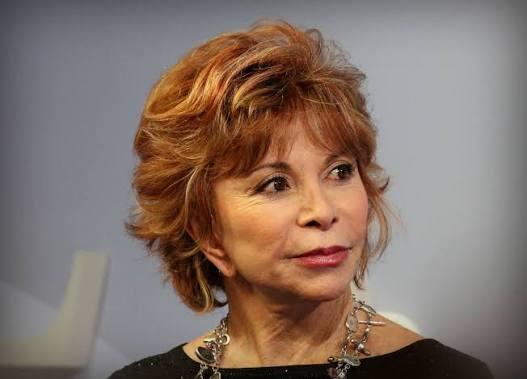
She has written books such as La Ciudad de las Bestias and La Casa de los Espíritus, and, as noted, she aims for her books to reflect South America’s turbulent history and the hopes and dreams of both men and women striving to live in a better world.
It suggests that true friends remain connected despite time apart, long distances or periods of silence. It also speaks to values such as loyalty and lasting personal relationships, which are extremely important in Latino communities.
Isabel Allende was awarded Chile's National Literature Prize in 2010 and the Presidential Medal of Freedom in 2014, and has taken up the reins from Nobel laureates Pablo Neruda and Gabriela Mistral to continue Chile's world-renowned literary prowess. 3
When to use it:I know we haven’t spoken in months, but our friendship has always been strong. As they say, "La verdadera amistad resiste el tiempo, la distancia y el silencio."
"El amor es invisible y entra y sale por donde quiere, sin que nadie le pida cuenta de sus hechos."
(Love is invisible and comes and goes as it pleases, without anyone accounting for its actions.)
Miguel de Cervantes is probably the most famous name in the history of the Spanish language, best known for his famous work Don Quixote. Cervantes explored themes such as love, honor, and human nature throughout his works. This famous phrase suggests that love cannot be controlled or explained, and that the feeling goes beyond logic or human influence. This idea reflects a recurring theme in Spanish Golden Age literature, where love is often portrayed as a powerful force.
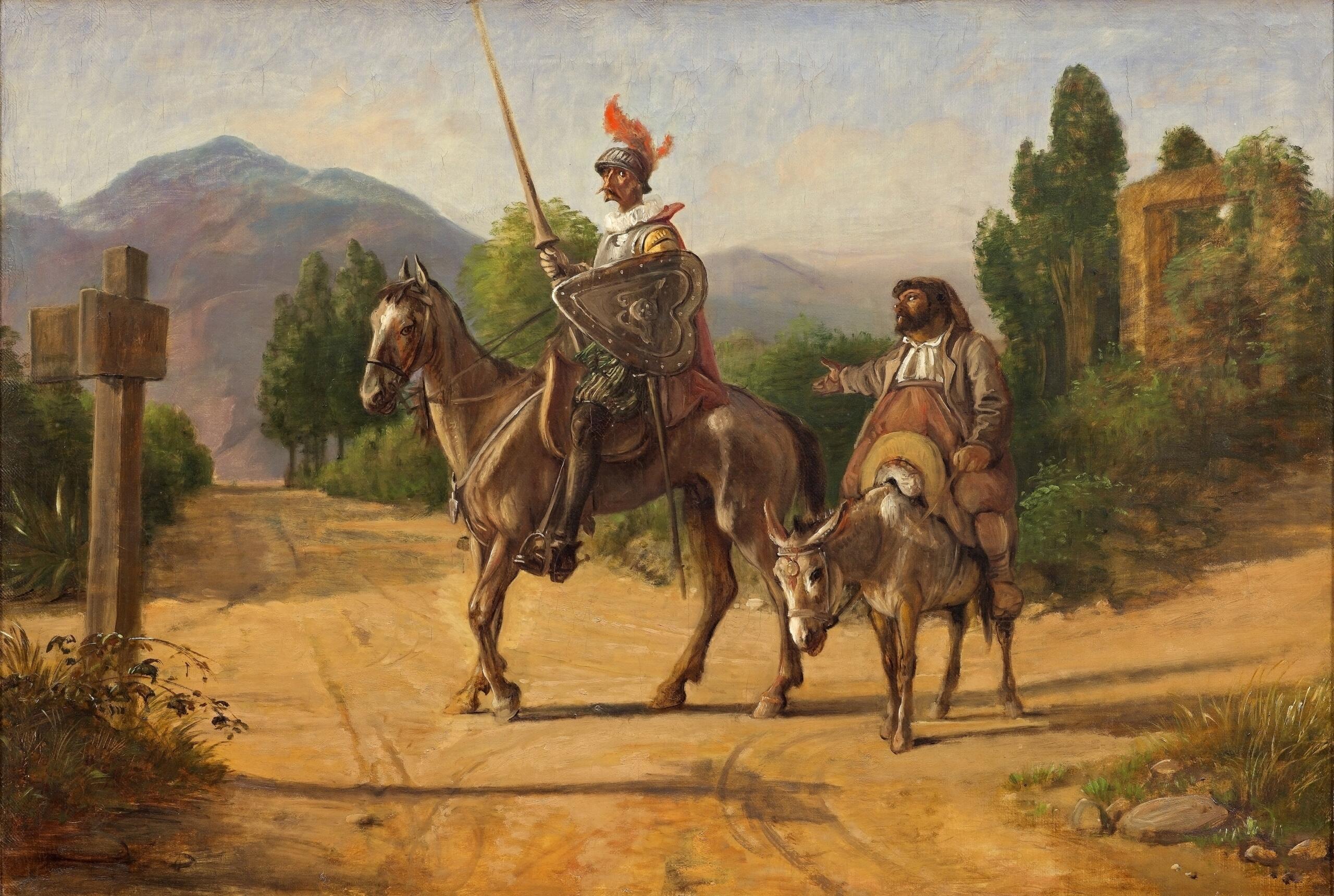
When to use it:I never thought I’d fall in love with someone I’d known for years, but feelings can surprise us. As Cervantes wrote: "El amor es invisible y entra y sale por donde quiere, sin que nadie le pida cuenta de sus hechos."
"Es tan corto el amor y tan largo el olvido."
(Love is so short and the forgetting so long.)
This is undoubtedly one of the most famous verses by Pablo Neruda, the renowned Chilean poet and 1971 Nobel Prize in Literature laureate. This quote is taken from Neruda's 1924 poem, Poema 20.
It captures the reality that love may seem brief, while the pain of losing it often lasts much longer. The author contrasts the fleeting nature of romance with the long process of moving on after separation, loss, and longing.
The 1971 Nobel Prize in Literature was awarded to the author Pablo Neruda for his poetry, which is characterized by capturing the dreams and spirits of Latin America. 4
When to use it:After my breakup, I realized that moving on was much harder than falling in love. As Pablo Neruda wrote: "Es tan corto el amor y tan largo el olvido."
Would you like to study Latin American poetry? Find out more about Spanish classes in Calgary.
"Si nada nos salva de la muerte, al menos que el amor nos salve de la vida"
(If nothing can save us from death, then at least let love save us from life.)
This beautiful quote is also attributed to Pablo Neruda. Known for his deeply emotional poetry, Neruda frequently explored themes such as love, longing and nostalgia. It suggests that love is one of the most powerful forces experienced by human beings, capable of helping us endure life’s hardships. Here we can see the author’s characteristic passionate and romantic style.
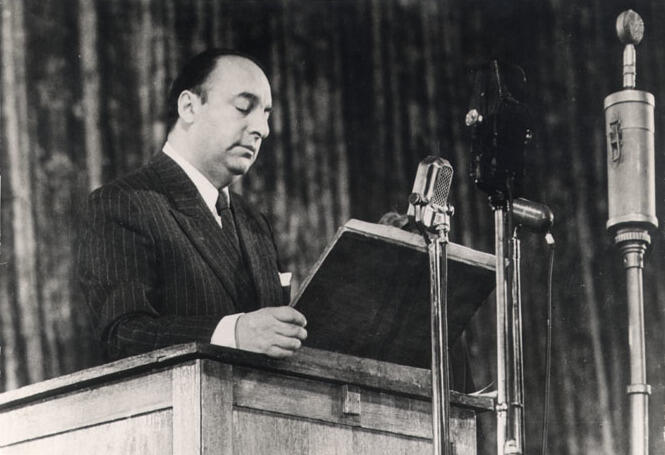
When to use it:Life isn’t always easy, but having people you love makes every challenge easier. As the quote says: "Si nada nos salva de la muerte, al menos que el amor nos salve de la vida."
"El mayor error del ser humano es intentar sacarse de la cabeza aquello que no sale del corazón."
(The greatest mistake a person can make is trying to remove from their mind what won't leave their heart.)
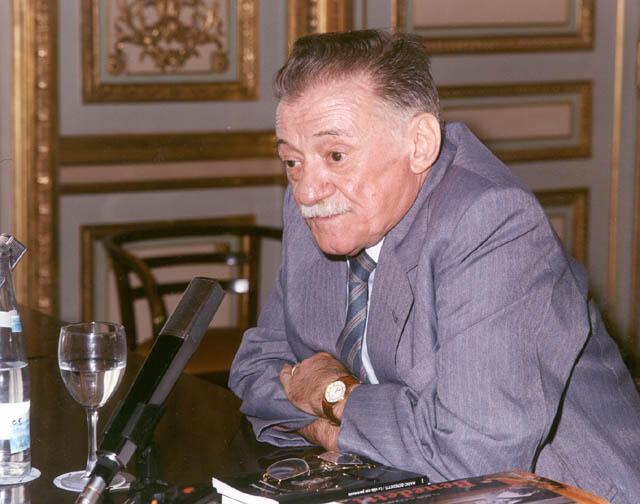
Although this phrase is widely attributed to Mario Benedetti, there is no evidence that this is actually the case. It expresses the idea that the emotions that are hardest to overcome are those that originate in the heart, rather than in reason. This phrase reflects the emotional struggle of moving on after a broken heart or a loss.
When to use it:I know I should move on, but I can’t stop thinking about that person. As Mario Benedetti's famous saying goes: "El mayor error del ser humano es intentar sacarse de la cabeza aquello que no sale del corazón."
Would you like to discover the similarities and differences between Spanish and Portuguese? Discover how these Romance languages share a common history, unique sounds, grammar, and expressions.
Life and Wisdom Quotes
Did you know that some of life's best lessons can be found in just a few words? In these Spanish quotes, you'll find wisdom, inspiration and food for thought to continue enriching your personal growth.
| Spanish Quote | English Translation | Perfect For |
|---|---|---|
| No hay mal que dure cien años. | No hardship lasts forever. | Comforting someone during difficult times |
| Más vale prevenir que lamentar. | Better safe than sorry. | Giving practical advice |
| Aprender a dudar es aprender a pensar. | To learn to doubt is to learn to think. | Encouraging critical thinking |
| Hay que sentir el pensamiento y pensar el sentimiento. | Feel your thoughts and think your feelings. | Finding balance between reason and emotion |
| La vida no es la que uno vivió, sino la que uno recuerda, y cómo la recuerda para contarla. | Life isn't what one has lived, but what one remembers, and how one remembers it to tell it. | Reflecting on memories and life |
| Caminante, no hay camino, se hace camino al andar. | Wayfarer, there is no path; the path is made by walking. | Starting a new journey or chapter |
| Un hombre solo tiene derecho a mirar a otro hacia abajo cuando ha de ayudarle a levantarse. | A person only has the right to look down on another when helping them up. | Promoting kindness and compassion |
Ready to start your Spanish learning journey? Find online Spanish lessons anywhere in Canada.
"No hay mal que dure cien años."
(No misfortune lasts a hundred years.)
The phrase “No hay mal que dure cien años” is a traditional Spanish proverb with no known author, which has been passed down from generation to generation in Spanish-speaking families. This conveys a message of hope and resilience, reminding us that no difficult situation or rough patch lasts forever. Whether it’s a romantic disappointment, financial problems, an illness, or personal setbacks, it encourages people to stay motivated, patient, and optimistic while they wait for better times.
When to use it:I know things are tough right now, but don’t lose hope. As the saying goes: “No hay mal que dure cien años.”
"Más vale prevenir que lamentar."
(Better safe than sorry.)
This traditional Spanish proverb also has no known author, but it is one of the most common sayings in the Spanish-speaking world. It emphasizes the importance of taking precautions before problems arise, rather than dealing with the possible consequences. Like the English saying “Better safe than sorry”, it encourages people to think ahead, plan, and avoid unnecessary risks. It’s generally used when discussing health, safety, finances, or important decisions.
When to use it:I know it’s just a short trip, but I’m still going to buy travel insurance. After all, "Más vale prevenir que lamentar."
Do you know you can find Spanish classes in Vancouver? Get ready to pass any Spanish test with flying colors.
"Aprender a dudar es aprender a pensar."
(To learn to doubt is to learn to think.)
This quote comes from Octavio Paz, one of the most famous poets, essayists, diplomats, and a Nobel Prize in Literature winner. Born to a Mexican father and an Andalusian mother, the artist is known for his reflections on culture, identity and human nature.
Octavio Paz was inspired by his origins, his discoveries, and the various literary currents.
With a life spent between many countries, including Mexico, the United States, Spain, France, and India, his work reflected his openness to the world.
It suggests that questioning is an essential part of the development of critical thinking. Instead of accepting everything at face value, doubt leads to a deeper understanding.
Octavio Paz was awarded the 1990 Nobel Prize in Literature for his passionate and insightful work, which reflects profound human values. 5
When to use it:Don’t be afraid to question what you think. As Octavio Paz said: "Aprender a dudar es aprender a pensar."
"Hay que sentir el pensamiento y pensar el sentimiento."
(You just feel your thoughts and think your feelings.)
This quote is by Miguel de Unamuno. Miguel de Unamuno, one of Spain’s most influential philosophers, essayists, and novelists of the Generation of ’98, created a body of work that explored reason, emotion and faith. For example, it suggests that true wisdom comes from the balance between reason and emotion, allowing both to influence one another.
When to use it:Before making any important decision in your life, find the balance between your heart and feelings and your rational mind.
As one of Spain’s most influential philosophers once said: "Hay que sentir el pensamiento y pensar el sentimiento."
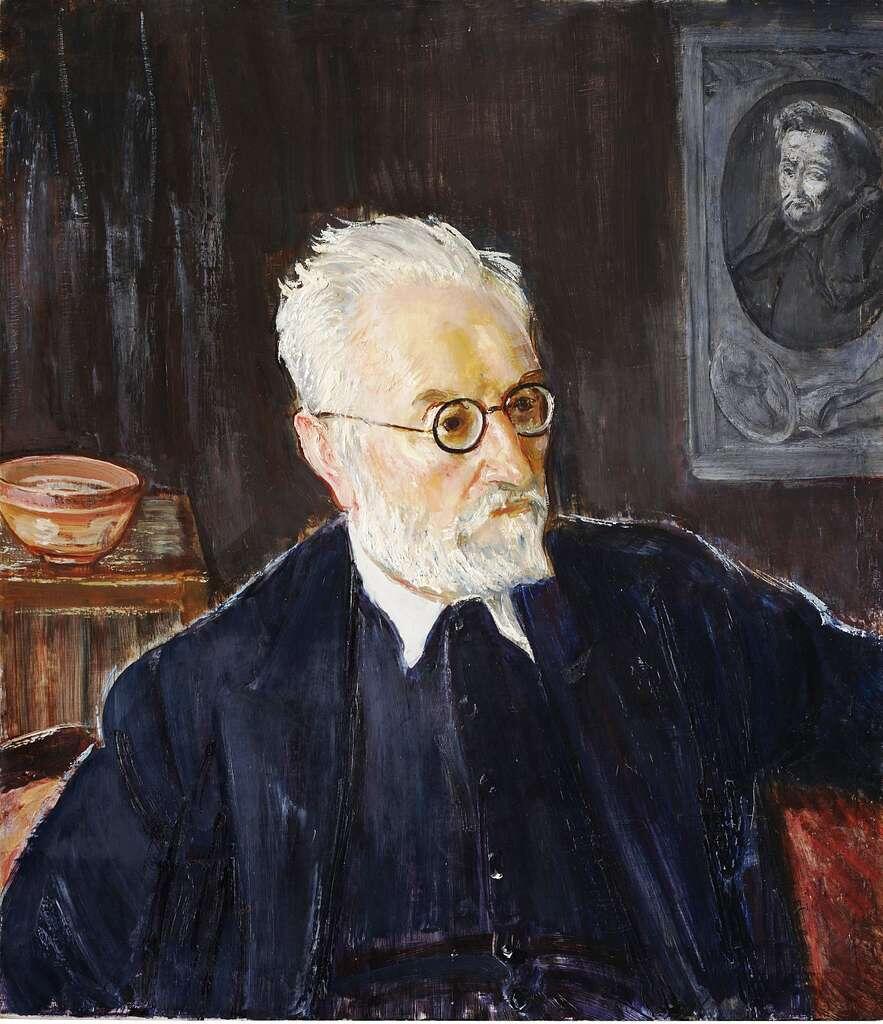
Discover more about Spanish literature and the most relevant figures of its history through Spanish lessons in Nanaimo.
"La vida no es la que uno vivió, sino la que uno recuerda, y cómo la recuerda para contarla."
(Life isn't what one has lived, but what one remembers, and how one remembers it in order to retell it.)
This is a quote by Gabriel García Márquez. Gabriel García Márquez, or Gabo, was a celebrated Colombian novelist who popularised magical realism and won the 1982 Nobel Prize in Literature. His work includes Cien Años de Soledad (One Hundred Years of Solitude) and El Amor en los Tiempos del Cólera (Love in the Time of Cholera).
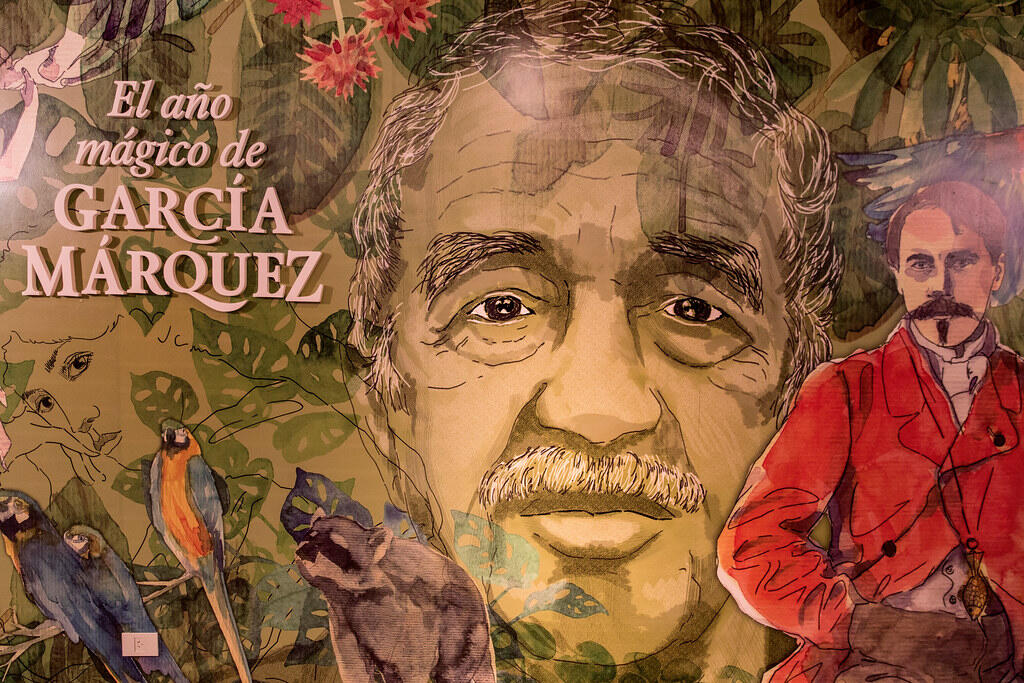
It implies that our lives are shaped not only by what happens to us, but also by how we interpret our experiences. García Márquez shows that the stories we tell ourselves about our lives take on as much meaning as the events themselves.
The 1982 Nobel Prize in Literature was awarded to Gabriel García Márquez for his novels and short stories, in which he combined the fantastic and the realistic in an imaginary world, reflecting the life and conflicts of the continent. 6
When to use it:Our memories shape the stories we tell ourselves about our lives. As Gabriel García Márquez wrote: "La vida no es la que uno vivió, sino la que uno recuerda, y cómo la recuerda para contarla."
"Caminante, no hay camino, se hace camino al andar. "
(Wayfarer, there is no path; the path is made by walking.)
Antonio Machado, the one to whom this quote is credited, was a Spanish poet and leading figure of the Generation of ’98, as seen in his poetry collection Campos de Castilla, published in 1912. With several poems and awards to his name, he comes off as one of his generation's most sought-after poets.
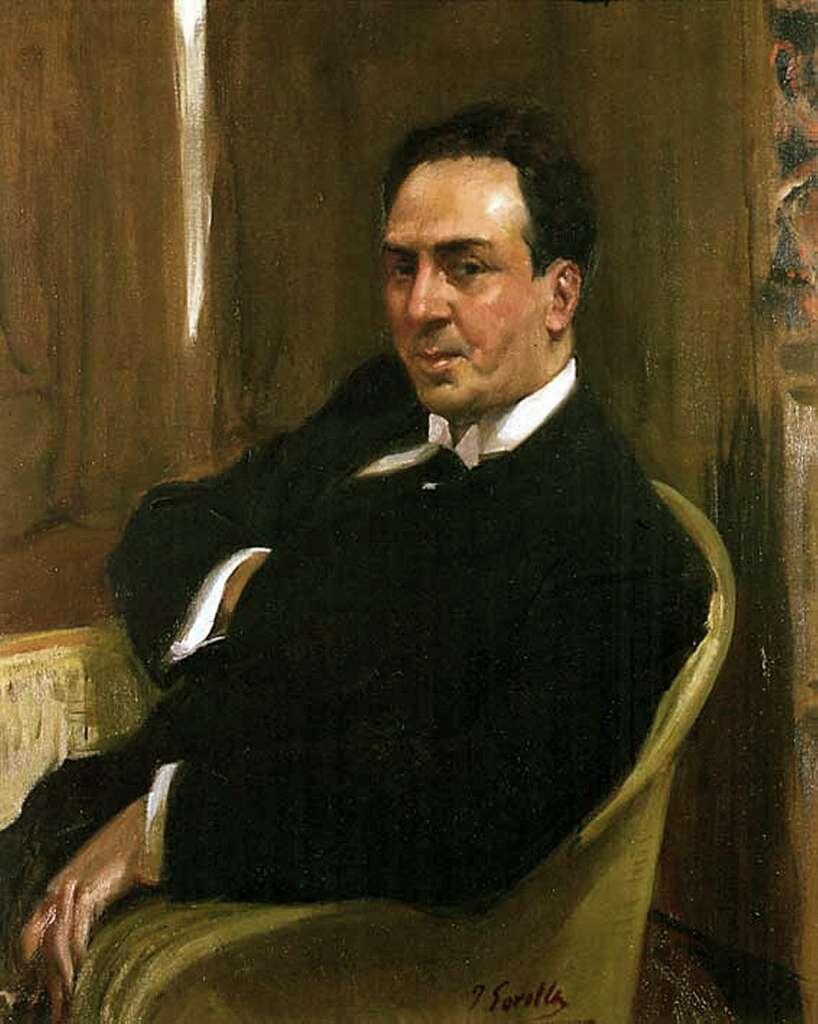
His writings are always laced with intelligence, and this finds expression in his witty sayings and quotations. This one expresses the idea that life does not have a predetermined path; rather, we chart our own future through the decisions we make and the actions we take.
Instead of waiting to find the perfect direction, Machado encourages people to move forward courageously and let their experiences enrich their journey.
When to use it:I’m not quite sure where my career will take me, but I know I’ll find out along the way. As the saying goes: "Caminante, no hay camino, se hace camino al andar."
"Un hombre solo tiene derecho a mirar a otro hacia abajo cuando ha de ayudarle a levantarse."
(A man has the right to look down on another only when he is helping him up.)
It is also attributed to Gabriel García Márquez; in fact, it is one of his most frequently quoted phrases. The author reminds us that no one should feel superior to another person unless it is to offer a helping hand. And above all, it seeks to foster humility, compassion, and solidarity.
When to use it:Instead of criticizing someone who has made a mistake, offer them your support. As Gabriel García Márquez said: "Un hombre solo tiene derecho a mirar a otro hacia abajo cuando ha de ayudarle a levantarse."
Short and Cool Spanish Quotes
Sometimes, the simplest quotes can be the most powerful. These short, brilliant Spanish sayings convey meaningful messages in just a few words.
| Spanish Quote | English Translation | Perfect For |
|---|---|---|
| A mal tiempo, buena cara. | Keep your chin up. | Staying optimistic |
| No todo lo que brilla es oro. | Not all that glitters is gold. | Looking beyond appearances |
| Donde una puerta se cierra, otra se abre. | When one door closes, another opens. | Embracing new opportunities |
| Seamos realistas y hagamos lo imposible. | Let's be realistic and do the impossible. | Pursuing ambitious goals |
If you choose to study Spanish, you'll also have to familiarize yourself with the richness of the Spanish language and culture.
"A mal tiempo, buena cara."
(Keep your chin up.)
It is a traditional Spanish proverb of unknown origin. This proverb encourages people to maintain a positive attitude even in difficult times. It reminds us that optimism and resilience can help us face challenges more effectively. It is used to comfort someone who is going through hard times;
When to use it:I know you’ve had a tough week, but don’t give up. As the saying goes: "A mal tiempo, buena cara."
"No todo lo que brilla es oro."
(Not all that glitters is gold.)
“Not all that glitters is gold” is a traditional Spanish proverb with no known author, but one that has been used for centuries in Spanish-speaking cultures. This proverb warns that appearances can be deceiving. Something that seems attractive, valuable, or desirable may not be as good as it seems. It encourages people to look beyond first impressions and form a well-considered opinion before trusting someone or something.
When to use it:That job offer sounds perfect, but it’s too good to be true. As the saying goes: "No todo lo que brilla es oro."
"Donde una puerta se cierra, otra se abre."
(When one door closes, another opens.)
This is a traditional Spanish proverb with no known author. This proverb conveys the idea that when one opportunity ends, it often gives rise to new beginnings and unexpected possibilities. It encourages optimism and perseverance in times of change.
When to use it:I didn’t get the job I wanted, but a few weeks later another opportunity came up. As the saying goes: "Donde una puerta se cierra, otra se abre."
"Seamos realistas y hagamos lo imposible."
(Let's be realistic and accomplish the impossible.)
This well-known quote from the Argentinian-born revolutionary Ernesto Guevara has gone around the world and is one of the symbols of the struggle for freedom. This phrase became one of the most recognizable mottos associated with the social and political movements of the 1960s. It suggests that true progress comes from believing that change can be achieved through determination and action.
In addition to the inspiring quote mentioned above, Che Guevara's other famous lines are "¡Hasta la victoria siempre!" (Ever onward to victory), "¡Patria o Muerte!" (Homeland or Death), and "Si usted es capaz de temblar de indignación cada vez que se comete una injusticia en el mundo, somos compañeros, que es lo más importante." (If you tremble with indignation at every injustice, then you are a comrade of mine.)
When to use it: Everyone says the project is unfeasible, but we’re determined to prove them completely wrong.” As Che Guevara said: "Seamos realistas y hagamos lo imposible."
The majority of quotes attributed to Che Guevara are unsurprisingly related to the revolutionary fight. Whereas other quotes in this collection have talked about love, friendship and philosophy. Would you like to learn more? Check out an effective Spanish tutor online.
Incorporating Spanish Quotes into Daily Life
Spanish sayings are a practical way to strengthen your skills and familiarize yourself with Hispanic culture. No matter your level, using these expressions regularly will expand your vocabulary, improve your pronunciation and help you sound more natural when speaking Spanish.
Whether you’re communicating with others, creating content, or simply looking for motivation in your daily life, here are some practical ways to use them:
- Enrich your conversations: Use a well-known phrase or proverb to express an opinion, encourage someone, or add personality to what you say.
- Add depth to your writing: Include Spanish quotes in essays, journals, presentations, greeting cards, or emails to make your writing sound more natural.
- Create social media content: Share your favorite ones as captions or images, along with an English translation or a brief explanation of why they inspire you.
- Use them as daily reminders: Set them as your phone or computer wallpaper, or write them on a sticky note to keep them in mind.
Incorporating these expressions into your daily life helps you become more familiar with authentic Spanish and Spanish culture.
How can I use Spanish quotes to improve my language skills?
Quotes in Spanish can become excellent study tools when you actively incorporate them into your Spanish learning process, rather than just reading them. By practicing pronunciation, analyzing vocabulary, and actively working with each quote, you’ll develop a much deeper understanding of the language.
1. Use quotes in everyday conversations
Keep a collection of your favorite ones and look for opportunities to include Spanish quotes or sayings in your conversations. For example, a motivational quote can cheer up a friend, while a well-known saying can help you express your thoughts more naturally, and it’s a great way to break the ice.
2. Practice writing with Spanish quotes
Incorporate your favorite quotes into journal entries, essays, or exercises. To make this easier, choose the ones you like and write a short paragraph explaining their meaning; include the original Spanish text with an English translation, the context in which they're used, and examples of how to use them. This will also help you reinforce both your grammar and vocabulary.
3. Memorize one quote at a time
Instead of trying to remember dozens of expressions at once, focus on memorizing one expression per week. Read it aloud several times, write it out by hand, and review it throughout the week. A great tip is to use flashcards or review apps to help you remember both the quote and its meaning.
4. Analyze the language
Don’t just memorize the words. Pay attention to verb conjugations, sentence structure, idioms, and vocabulary. Breaking each quote down into smaller parts will help you understand the grammar and, at the same time, boost your proficiency.
5. Learn about the author
Many famous sayings in Spanish come from writers, artists, and historical figures who have had a major influence throughout history. Getting to know the authors behind the quotes will provide you with valuable general knowledge.
Which Spanish quote is your favorite?
Are you thinking about traveling abroad? By incorporating Spanish quotes into your daily routine, you’ll do much more than just memorize inspirational phrases. Gain a deeper understanding of Spanish-speaking cultures and build confidence in using the language in real-life situations: Practice Spanish before traveling!
References
- Nobel Prize in Literature 1945. (n.d.). NobelPrize.org. https://www.nobelprize.org/prizes/literature/1945/summary/
- Nobel Peace Prize 1992. (n.d.). NobelPrize.org. https://www.nobelprize.org/prizes/peace/1992/summary/
- Amanda Prahl. (2019, October 14). Biography of Isabel Allende, writer of modern magical realism. Thought Co. https://www.thoughtco.com/isabel-allende-writer-4769396
- Nobel Prize in Literature 1971. (n.d.). NobelPrize.org. https://www.nobelprize.org/prizes/literature/1971/summary/
- Nobel Prize in Literature 1990. (n.d.). NobelPrize.org. https://www.nobelprize.org/prizes/literature/1990/summary/
- Nobel Prize in Literature 1982. (n.d.). NobelPrize.org. https://www.nobelprize.org/prizes/literature/1982/summary/
Summarize with AI:
Did you like this article? Leave a rating!


 Loading...