
Chances are you have developed a passion for the Piano and want to play the instrument like a pro. But you don't want to stop at that. You want to soar high, master more piano skills and eventually play at concerts. This guide is for you.
If you read to the end, you will learn everything you need to know about pursuing a career as a pianist. Whether you want to become a piano teacher and earn a decent income, or you want to impact people's lives through music by playing the magical instrument.
Many Canadians are interested in learning the Piano. But only a few know what it takes to excel in it. To become successful on the Piano, you first should know the rules of playing professionally.





How to Become a Professional Piano Player in Canada
Becoming a professional piano player isn't a day's work. Whether just starting with piano lessons in Calgary or already mastering the instrument, making significant progress and staying committed are crucial to becoming a professional player. Here are some tips many experts have endorsed over time to help you play like a pro quickly.
Don't Rush
You might be tempted to quickly start playing pieces to demonstrate your skill as soon as you master a few notes. From experience, most piano learners start to play poorly and mix notes quickly. If you start missing notes because you want to get them all at once, pause and slow down. Begin practicing again from scratch until you get it right.
Set Realistic Goals
Do you think you can learn the piano professionally in three months with just a few hours of practice each week? Think again! As much as it's essential to set goals and plan how to achieve them, you should also ensure that the goals are realistic and not outside your reach.

Manage Your Practice Time
If you practice the Piano whenever you are comfortable and free to practice, you may not get to the advanced stage in a year. Secondly, if you are serious about playing the piano professionally, practicing it mustn't be at the bottom of your daily to-do list.
Make it a priority and dedicate more time to it since you plan to pursue it as a life-long career.
Challenge Yourself
Has your passion for the piano declined as soon as you become semi-proficient at playing the instrument? This shouldn't be the case if you keep challenging yourself as you learn. Setting small targets each day for yourself and achieving them despite the odds could go a long way to help you excel on the piano drastically.
Search for "piano classes Toronto" online to find a teacher who will help you set ambitious learning goals.
Do You Need Education to Excel on the Piano?
Pursuing a career as a pianist means a lot of things. First, you may have to choose a career dimension to channel your focus. This may require you to decide what to do with your piano skills. For example, do you want to learn the piano, become a professional player, and teach others how to play too? Or do you want to help others learn the piano through an organized setting such as a music school?
Nevertheless, not everyone is interested in becoming a piano teacher. In that case, you might consider options for working as a pianist in organizations, music schools, or even playing at concerts.
In all these, one question may keep searching for answers in your mind. "Do I need education to excel as a pianist?"
The answer is pretty straightforward! Although a bachelor's degree may not be necessary to become a professional pianist, you could increase your chances of success if you have one. Of course, a degree wouldn't stand on your way to learning the Piano professionally, but it could determine how far you go in your career pursuits as a professional pianist.
Many pianists who excelled on the piano without education realized its importance as they soared high in piano playing. As a result, some went back to school for a degree in piano studies or music. And it boosted their chances of success even more.

The bottom line is that education isn't compulsory. But you may need it as you climb the ladder of success in your piano career. Did we mention that many piano players with a degree earn an average of $90,000 per year in Canada? A food for thought, maybe!
But, when should you begin learning the Piano?
When is the Best Age to Play Piano?
If your child has developed an interest in the piano, that's a significant step toward becoming a pianist. But that doesn't mean you should subject your toddler child to piano lessons for beginners. As a parent, you might wonder what age is best to start learning the piano.
Is There a Perfect Age for Learning the Piano?
There is no perfect age to start learning the piano. A specific age range may work for a group of kids and may not work for some other groups. History has revealed famous Canadian pianists who started learning about the piano at the age of 3, but that is very rare. Learn more!
Nowadays, it's common to find kids who have developed an interest in the piano between the ages of 4 and 9. Most students begin learning the piano earlier, while others do not enroll on beginner piano classes until they turn 12.
Generally, many youngsters don't begin piano lessons until they turn 6 or 7. If your child develops an interest in the piano at a young age, you shouldn't discourage them. Instead, help them nurture the interest into a deep passion until they are old enough to learn via a tutor. And mentally prepared to manage the rudiments of structured piano lessons Edmonton and in other places.
Requirements for Becoming a Professional Piano Player in Canada
Before you commit to playing the piano professionally, it might help to know what it takes to become a professional player. This will help you prepare your boots for the race ahead of you. And of course! It's an exciting one!!
What Does it Take to Teach Piano Lessons to Adults?
Learning the piano professionally may entail that you develop traits and learn skills that could help you teach others how to play the piano. Here are some of them.
- Deliberate practice
Deliberate practice is more than learning the piano whenever you feel like it. It involves focused attention and is usually goal-oriented. There is a difference between playing the piano for fun and playing for mastering. The latter should be your daily goal if you must become a professional player.
- Talent
It would help if you had more than the talent to excel on the Piano. It can only serve as an accelerator if utilized properly. Most people are naturally gifted with piano skills. They could quickly learn piano playing techniques and progress easily when they apply other methods and do not rely on talent.
- Piano teacher
Hiring a piano tutor is necessary to become a professional quickly. Many experienced piano tutors on Superprof can teach you the ropes and take you by the hand until you are confident enough to play in public and concerts.
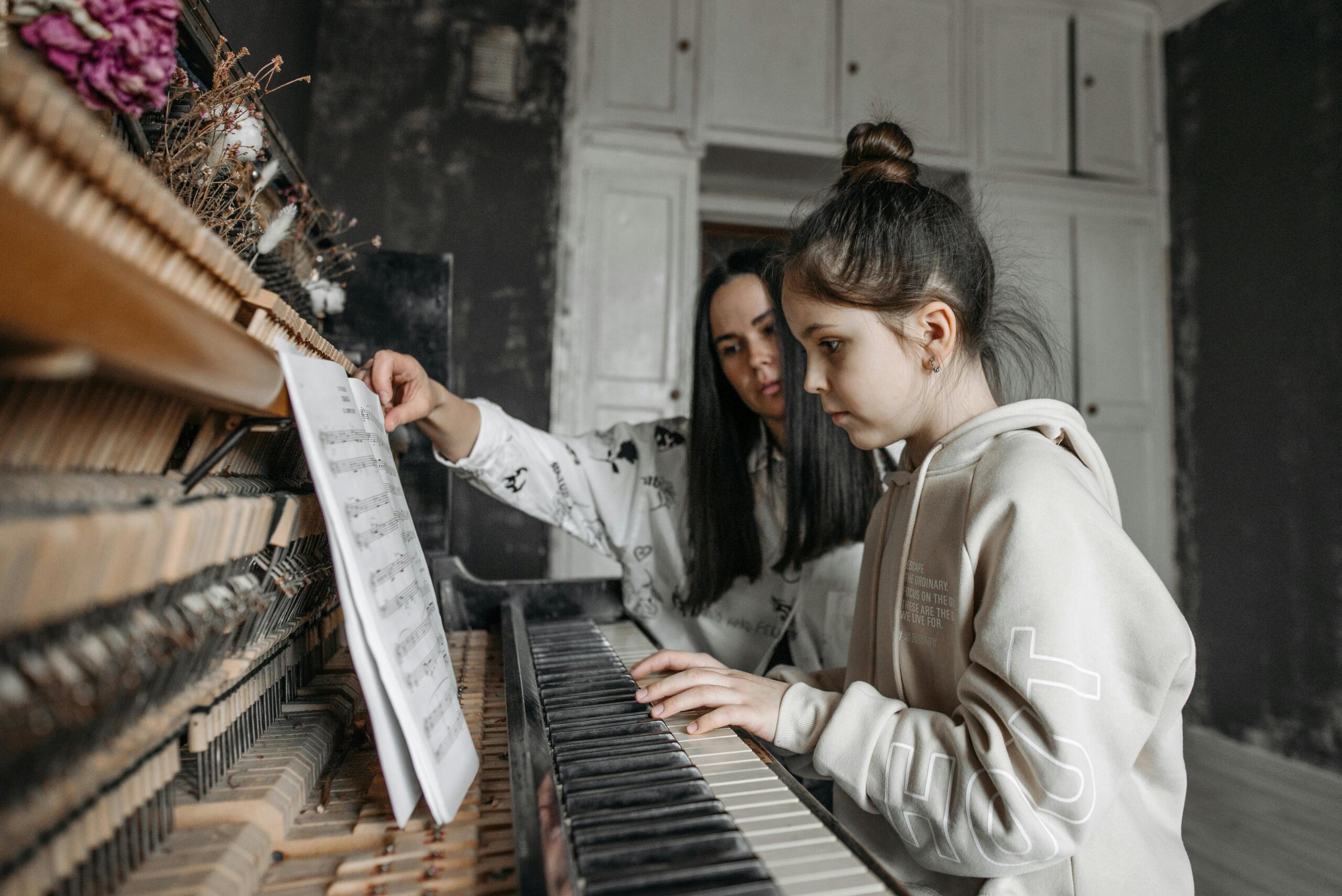
If you want to learn the piano from scratch, we recommend you enroll on beginner piano lessons on Superprof. These lessons are structured to teach you piano basics and the theory behind them. Fortunately, tutors offering beginner lessons in Canada can easily find piano lessons online and in person.
Famous Canadian Piano Players
In your quest to master the piano, you may dive deep into history and discover some famous Canadian piano players that left their footprints on the sand of time. These players contributed a lot to classical piano and concert development.
Many of them started playing the piano when they were young. Perhaps, learning about their works will strengthen your resolve to become a professional pianist in Canada.
Rufus Wainwright
Rufus is one of the most popular Canadian piano players to date. He was born in New York but grew up in Montreal.
As a talented Canadian pianist, he made his name as a top-rated pianist when he won the Genie Award Nomination at 14. As his fame grew, he recorded many achievements and won many awards. One of them was the Best New Opera in 2011. He is still a popular guest on TV programs and popular shows to date.
Glenn Gould
Glenn was born in 1932 in Toronto. He was a renowned classical pianist, and hardly would anyone talk about famous Canadian piano players without mentioning his name. To date, many consider him the legend of unorthodox musical interpretation.
Paul Bley
Paul was born in Montreal to a middle-class family in 1932. He contributed to the development of free jazz music in the 1960s. Paul initially started learning violin at the age of 5. He became fond of the Piano when he turned 7 and became the head of a band during his teenage days.
In his 20's, he relocated to the United States and remained there till his death in 2016 at 83.
Final Thought
You, too, can take steps that may help you become a piano legend in the future. Taking piano lessons online or in person is a great way to start. The piano tutors on Superprof will be more than happy to help you become a professional pianist.
Summarize with AI:
Did you like this article? Leave a rating!


 Loading...