
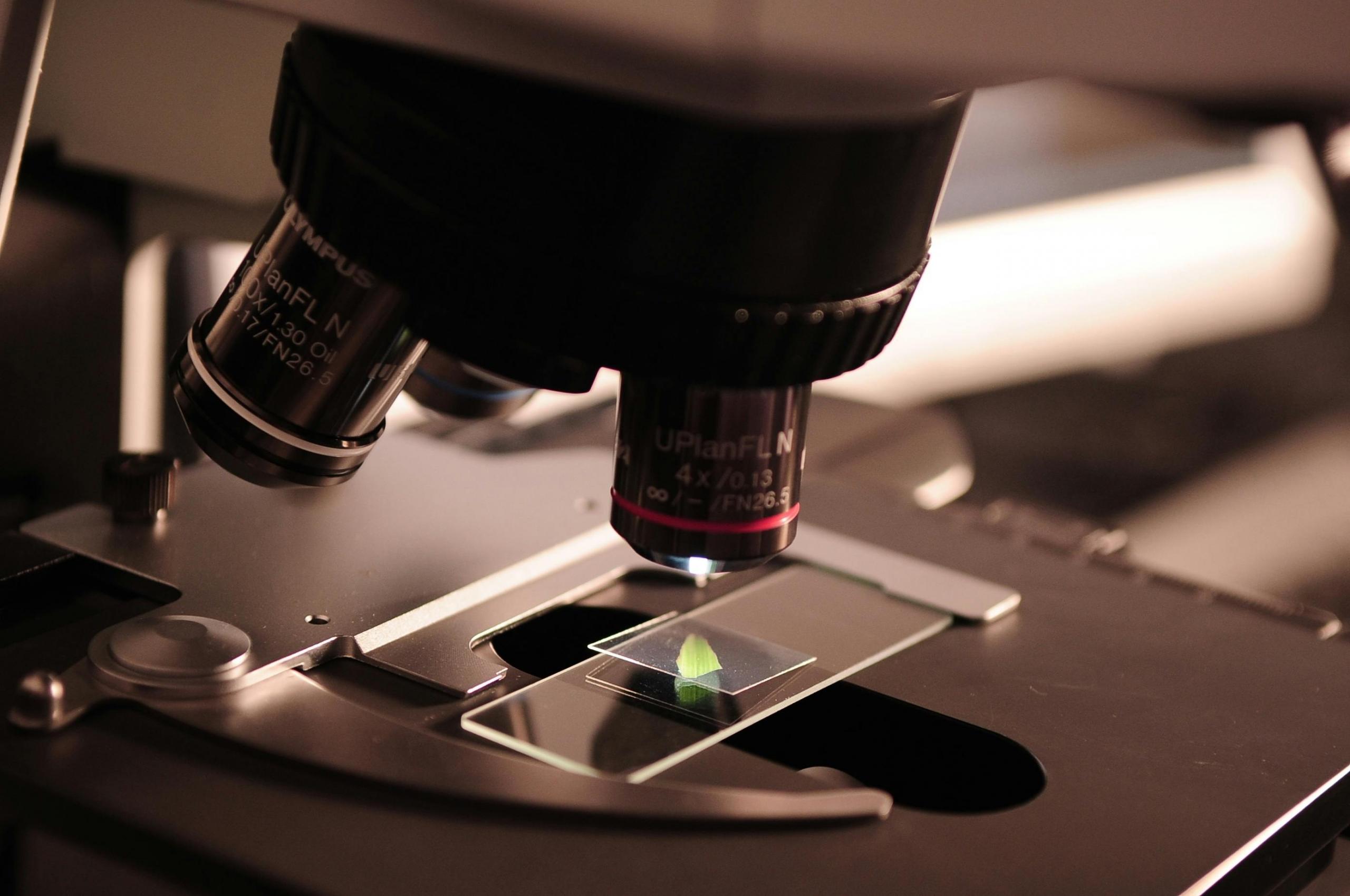

A chemistry degree can lead to a remarkably wide range of careers in chemistry, from laboratory research and pharmaceutical development to environmental monitoring, forensic science, biotechnology, manufacturing and technical consulting. While many people picture chemists working only in laboratories, today's graduates are equally likely to contribute to product innovation, quality assurance, regulatory compliance or sustainability projects across many industries.
| Career Area | Example Careers | Typical Workplace |
|---|---|---|
| Laboratory & Research | Analytical Chemist, Pharmaceutical Scientist | Research labs, universities, pharmaceutical companies |
| Manufacturing & Industry | Chemical Engineer, Product Development Chemist | Manufacturing plants, consumer goods, industrial production |
| Environment & Sustainability | Environmental Chemist | Environmental consultancies, government agencies, water testing labs |
| Forensics & Health | Forensic Scientist, Toxicologist | Crime laboratories, hospitals, regulatory agencies |
| Advanced Science | Biochemist, Materials Scientist, Nanotechnologist | Biotech companies, medical research, advanced manufacturing |
| Career Development | Technical, digital and communication skills | Relevant across every chemistry career |
Chemistry combines scientific knowledge with analytical thinking, making graduates valuable wherever organisations need evidence-based problem solving. Whether your interests lie in healthcare, research, industrial production or emerging technologies, there are numerous chemistry related careers that allow you to apply your skills in practical and meaningful ways.


🧪 What Can You Do With A Chemistry Degree?
A chemistry qualification develops both specialist scientific knowledge and highly transferable skills. Employers value chemistry graduates because they can investigate problems systematically, interpret complex data and work accurately with technical procedures. As a result, chemistry graduates are employed across public and private sectors in roles that continue to evolve as science and technology advance.
Having a cool job is only one of the reason to study chemistry.
Core Career Areas For Chemistry Graduates
Chemistry graduates work in far more industries than many people expect. Traditional laboratory careers remain popular, but modern employers also recruit chemists into manufacturing, environmental management, healthcare, food production and advanced technology.
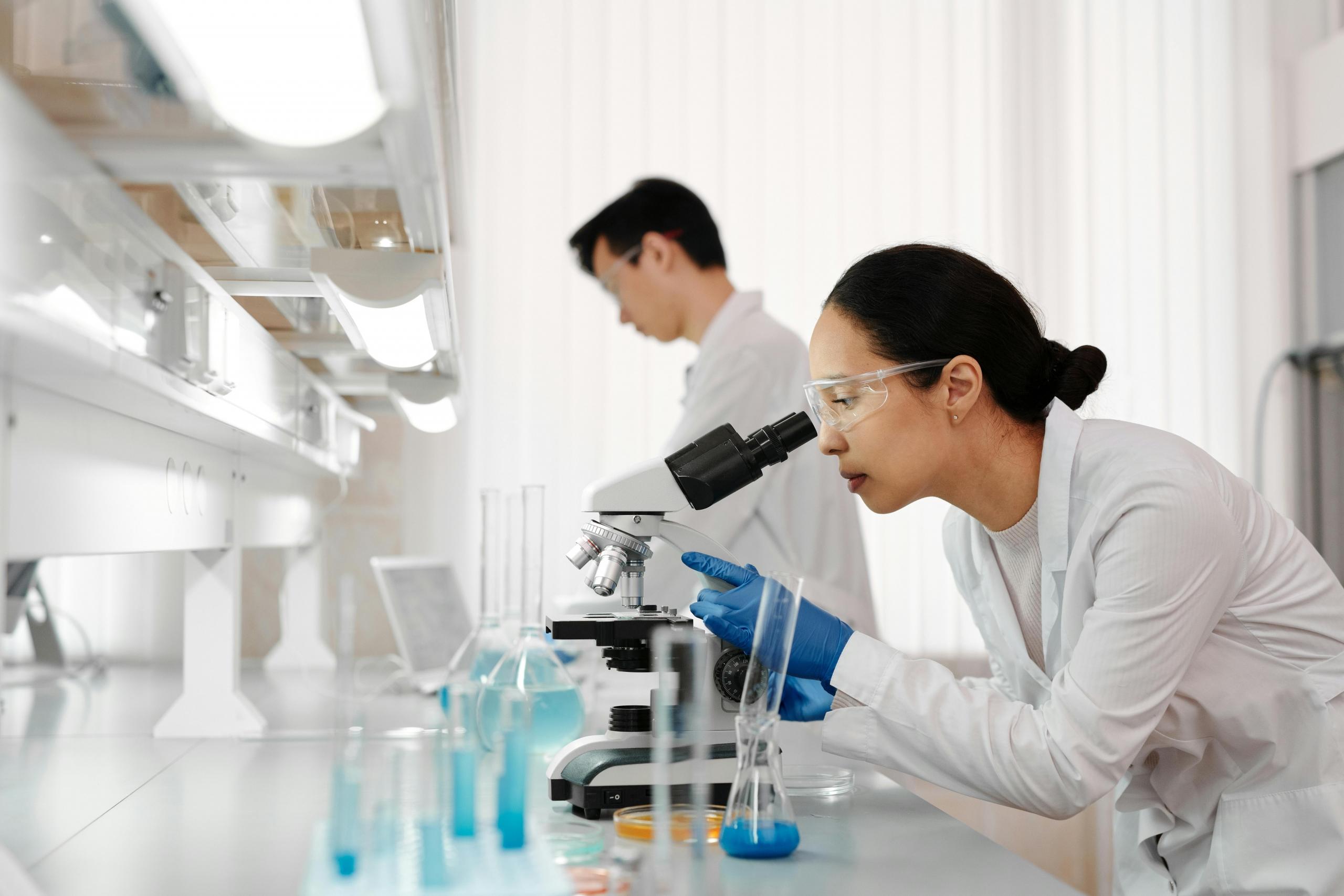
Where chemistry graduates work:
🧪 Pharmaceuticals and biotechnology
🌿 Environmental science and sustainability
🏭 Chemical manufacturing and industrial production
⚖️ Forensic science and toxicology
🧬 Materials science and nanotechnology
📋 Quality assurance, regulation and technical consulting
🎓 Education, science communication and policy
Some of the most common careers related to chemistry include analytical laboratories, pharmaceutical research, chemical manufacturing, environmental monitoring, forensic science, toxicology, biotechnology, materials science and education. Many graduates also work in quality control and regulatory compliance, ensuring products meet strict scientific and legal standards before reaching consumers.
depending on their country, with typical salaries between $55k-$80k+
Because chemistry underpins so many industries, graduates often have opportunities to move between sectors throughout their careers. Experience gained in pharmaceutical testing, for example, can also be valuable in food manufacturing, cosmetics or environmental laboratories.
Why Chemistry Graduates Are In Demand
One of the biggest advantages of studying chemistry is the combination of scientific expertise and practical workplace skills. Employers consistently seek graduates who can analyse evidence, solve technical problems and maintain high standards of accuracy.
"Chemistry begins in the stars. The stars are the source of the chemical elements, which are the building blocks of matter and the core of our subject."
Peter Atkins, English chemist
Chemistry graduates are also comfortable interpreting data, following complex procedures and communicating technical information clearly.
These abilities make them valuable not only in laboratories but also in project management, technical sales, consulting, regulatory affairs and scientific communication. As industries increasingly rely on innovation, sustainability and product safety, demand continues to grow for professionals with strong scientific training and analytical thinking.

Find online chemistry lessons today.
🧪 Top Chemistry Related Careers
Chemistry graduates can pursue careers across healthcare, manufacturing, environmental science, research and emerging technologies. Chemistry graduates don't only work in laboratories, but also:
- 👉 pharmaceuticals
- 👉 environmental science
- 👉 manufacturing
- 👉 biotechnology
- 👉 materials science
- 👉 quality assurance
Some roles focus heavily on laboratory work, while others involve product development, field investigations or technical leadership.
🔬 Analytical Chemist
Analytical chemists examine the chemical composition of substances using sophisticated laboratory instruments. Their work supports product development, manufacturing quality, environmental monitoring and scientific research by identifying compounds and measuring chemical properties accurately.
Career Focus
- Chemical analysis
Typical Workplace
- Laboratories
- Pharmaceuticals
- Environmental testing
Main Responsibilities
- Testing substances
- Interpreting results
- Quality control
Analytical chemists commonly work for pharmaceutical companies, environmental laboratories, food manufacturers and research organisations. Their findings help ensure products are safe, consistent and compliant with industry standards.
⚙️ Chemical Engineer
Chemical engineers apply chemistry alongside engineering principles to design large scale manufacturing processes.
Career Focus
- Manufacturing processes
Typical Workplace
- Industrial plants
- Chemical and energy companies
Main Responsibilities
- Designing production systems
- Improving efficiency
- Process optimisation
Rather than focusing on laboratory experiments alone, they optimise production systems that safely manufacture chemicals, fuels, pharmaceuticals and advanced materials.
Chemical engineers often spend more time designing large scale production systems than working at a laboratory bench.
This career suits graduates interested in combining scientific understanding with process design, sustainability and industrial innovation.
💊 Pharmaceutical Scientist
Pharmaceutical scientists research, develop and improve medicines before they reach patients.
Career Focus
- Medicine development
Typical Workplace
- Pharmaceutical companies
- Research laboratories
Main Responsibilities
- Developing, testing and improving medicines
Their work includes testing active ingredients, developing formulations and ensuring medicines remain safe and effective throughout production.
Working closely with pharmacists, clinicians and regulatory specialists, pharmaceutical scientists contribute directly to advances in healthcare and medical treatment.
🧴 Product Development Chemist
Product development chemists create and improve products used every day, including cosmetics, cleaning products, coatings, food ingredients and consumer goods. Their role combines chemistry with innovation to improve product performance, safety and sustainability.
Career Focus
- Consumer products
Typical Workplace
- Manufacturing
- Cosmetics
- Food
- Consumer goods
Main Responsibilities
- Developing and improving products and formulations
Many employers increasingly focus on environmentally responsible formulations, making sustainability knowledge particularly valuable in this career.
🌿 Environmental Chemist
Environmental chemists monitor chemical pollutants in air, water and soil while helping organisations comply with environmental regulations.
Career Focus
- Environmental monitoring
Typical Workplace
- Government agencies
- Consultancies
- Laboratories
Main Responsibilities
- Testing air, water and soil
- Monitoring pollution
Their work supports conservation, public health and sustainable industrial practices.
Environmental chemists help protect air, water and soil by identifying pollutants and monitoring environmental quality.
Environmental chemists may work for government agencies, consulting firms or private laboratories investigating contamination, monitoring ecosystems or assessing industrial impacts.
🕵️ Forensic Scientist
Forensic scientists apply chemistry to criminal investigations by analysing evidence such as blood, fibres, drugs, explosives and unknown substances.
Career Focus
- Criminal investigations
Typical Workplace
- Forensic laboratories
- Police agencies
Main Responsibilities
- Analysing evidence
- Preparing scientific reports
Their findings help investigators reconstruct events and provide scientifically supported evidence for court proceedings.
Working in government laboratories or forensic agencies requires careful attention to detail, strict quality procedures and excellent documentation. Competition can be strong, making practical laboratory experience particularly valuable.
☣️ Toxicologist
Toxicologists study how chemicals affect humans, animals and the environment. They assess the safety of medicines, industrial chemicals, pesticides, cosmetics and consumer products by investigating exposure levels and biological effects.
Career Focus
- Chemical safety
Typical Workplace
- Hospitals
- Pharmaceutical companies
- Regulatory agencies
Main Responsibilities
- Assessing chemical risks and health effects
Their work helps regulatory agencies, pharmaceutical companies and public health organisations minimise harmful chemical exposure while ensuring products meet safety standards.
🧱 Materials Scientist
Materials scientists develop new materials with improved strength, flexibility, durability or electrical performance.
Career Focus
- Advanced materials
Typical Workplace
- Research institutes
- Manufacturing
- Technology companies
Main Responsibilities
- Developing new materials
- Improving performance
Chemistry plays a major role in designing polymers, ceramics, metals, batteries and advanced composites used across manufacturing and technology.
Materials scientists develop the advanced materials used in electric vehicles, smartphones, medical implants and aircraft.
These professionals contribute to innovations ranging from lightweight aircraft components to high-performance sporting equipment and renewable energy technologies.
🧬 Biochemist
Biochemists work where chemistry and biology intersect, studying the chemical processes that occur inside living organisms.
Career Focus
- Chemistry of living systems
Typical Workplace
- Universities
- Biotech companies
- Medical research
Main Responsibilities
- Studying biological molecules and disease processes
Their research supports medicine, biotechnology, genetics and disease prevention.
Biotechnology dates back over 10,000 years, when early humans began using fermentation to brew beer and make wine and cheese!
Biochemists commonly investigate proteins, enzymes, DNA and metabolic pathways to improve medical treatments, agricultural productivity and diagnostic technologies.
⚛️ Nanotechnologist
Nanotechnologists manipulate materials at the molecular and atomic scale to create products with entirely new properties.
Career Focus
- Nanoscale technology
Typical Workplace
- Research laboratories
- Electronics
- Biotechnology
Main Responsibilities
- Designing and applying nanoscale materials
This rapidly growing field supports innovations across medicine, electronics, renewable energy and advanced manufacturing.
Nanotechnology continues to create exciting chemistry-related careers, particularly in targeted drug delivery, semiconductor development and high-performance materials.
🌱 Emerging Careers Related To Chemistry
Scientific advances continue to create new opportunities for chemistry graduates. Many of today's fastest growing careers combine chemistry with computing, engineering, biology or sustainability to solve increasingly complex global challenges.
| Emerging Career Area | What You Work On | Typical Industries | Future Outlook |
|---|---|---|---|
| Green Chemistry & Sustainability | Designing safer chemicals, reducing waste and improving manufacturing | Environmental consulting, manufacturing, energy | Rapid growth as industries adopt sustainable practices |
| Data Driven Chemistry & Cheminformatics | Analysing chemical data, molecular modelling and AI-assisted discovery | Pharmaceuticals, biotechnology, research | Increasing demand for digital and computational chemistry skills |
| Nanotechnology | Developing materials at the atomic and molecular scale | Electronics, medicine, advanced manufacturing | Expanding applications across healthcare and technology |
| Biotechnology | Developing medicines, diagnostics, vaccines and biological products | Healthcare, pharmaceuticals, agriculture | Strong global demand driven by medical innovation |
| Materials Innovation | Creating advanced batteries, polymers, semiconductors and composites | Energy, aerospace, automotive, electronics | Growing importance in renewable energy and high-performance manufacturing |
Scientific innovation continues to expand careers in chemistry beyond traditional laboratory roles. Whether working in sustainable manufacturing, biotechnology, advanced materials or computational chemistry, graduates increasingly combine chemical knowledge with digital technologies, engineering and biology. As industries continue to invest in cleaner production, smarter materials and medical innovation, these emerging fields are expected to offer some of the strongest long term career opportunities for chemistry graduates.
💼 Skills Employers Look For In Chemistry Graduates
Technical knowledge alone is rarely enough to build a successful career. Employers also value communication, teamwork and digital literacy alongside scientific expertise.
Check out chemistry tutors in Ottawa here.
Technical Skills
Chemistry graduates are expected to understand laboratory techniques, analytical instrumentation, chemical calculations, quality systems and scientific reporting.
Strong technical skills allow graduates to produce accurate, reliable results while maintaining laboratory safety and regulatory compliance.
Transferable Skills
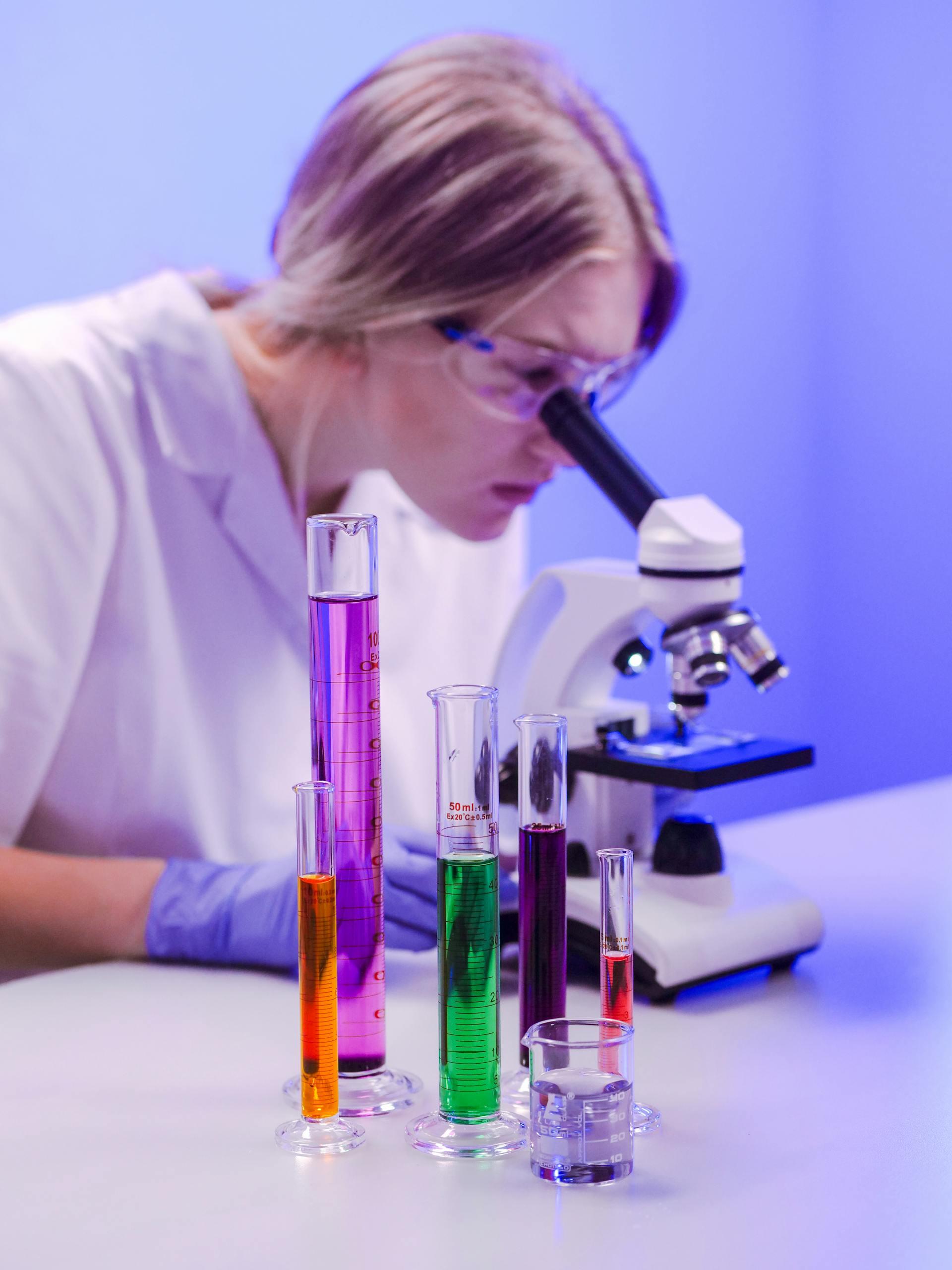
Chemistry develops valuable workplace abilities that transfer across industries. Analytical thinking, communication, organisation and problem-solving are useful whether graduates work in research, manufacturing or consulting.
Employers consistently value graduates who can interpret evidence, explain technical information clearly and collaborate effectively within multidisciplinary teams.
Digital And Modern Workplace Skills
Digital skills are becoming increasingly important across scientific careers. Employers often look for graduates who can analyse datasets, create reports and use specialist software confidently.
Experience with spreadsheets, statistical analysis, laboratory information systems, data visualisation and basic automation can provide a significant advantage during recruitment.
🚀 How To Build A Career In Chemistry
Building a successful chemistry career usually begins with gaining practical experience alongside academic study. Internships, research projects, industrial placements and laboratory volunteering help graduates develop confidence while building professional networks.
Stage 1
Earn Your Chemistry Degree
Build a strong foundation in analytical, organic, physical and inorganic chemistry.
Stage 2
Gain Practical Experience
Complete internships, placements or undergraduate research projects.
Stage 3
Start Your Career
Begin as a graduate chemist, laboratory analyst or quality control scientist.
Stage 4
Specialise
Develop expertise in areas such as pharmaceuticals, forensics, environmental science or materials.
Stage 5
Advance Your Career
Progress into senior scientist, technical specialist, project manager or leadership roles.
A chemistry qualification provides flexibility throughout your career. Many graduates begin in laboratory positions before moving into research leadership, product management, regulation, technical consulting or scientific communication. This often involves later specialising through postgraduate study, industry certifications or workplace training.
How To Specialise Strategically
Choosing a speciality becomes easier when personal interests align with industry demand. Areas experiencing a strong investment and long term growth include:
- Pharmaceuticals
- Biotechnology
- Sustainability
- Advanced materials
Developing expertise in one area while maintaining broad scientific knowledge can improve long term career opportunities.
Industries Where Chemistry Skills Transfer Well
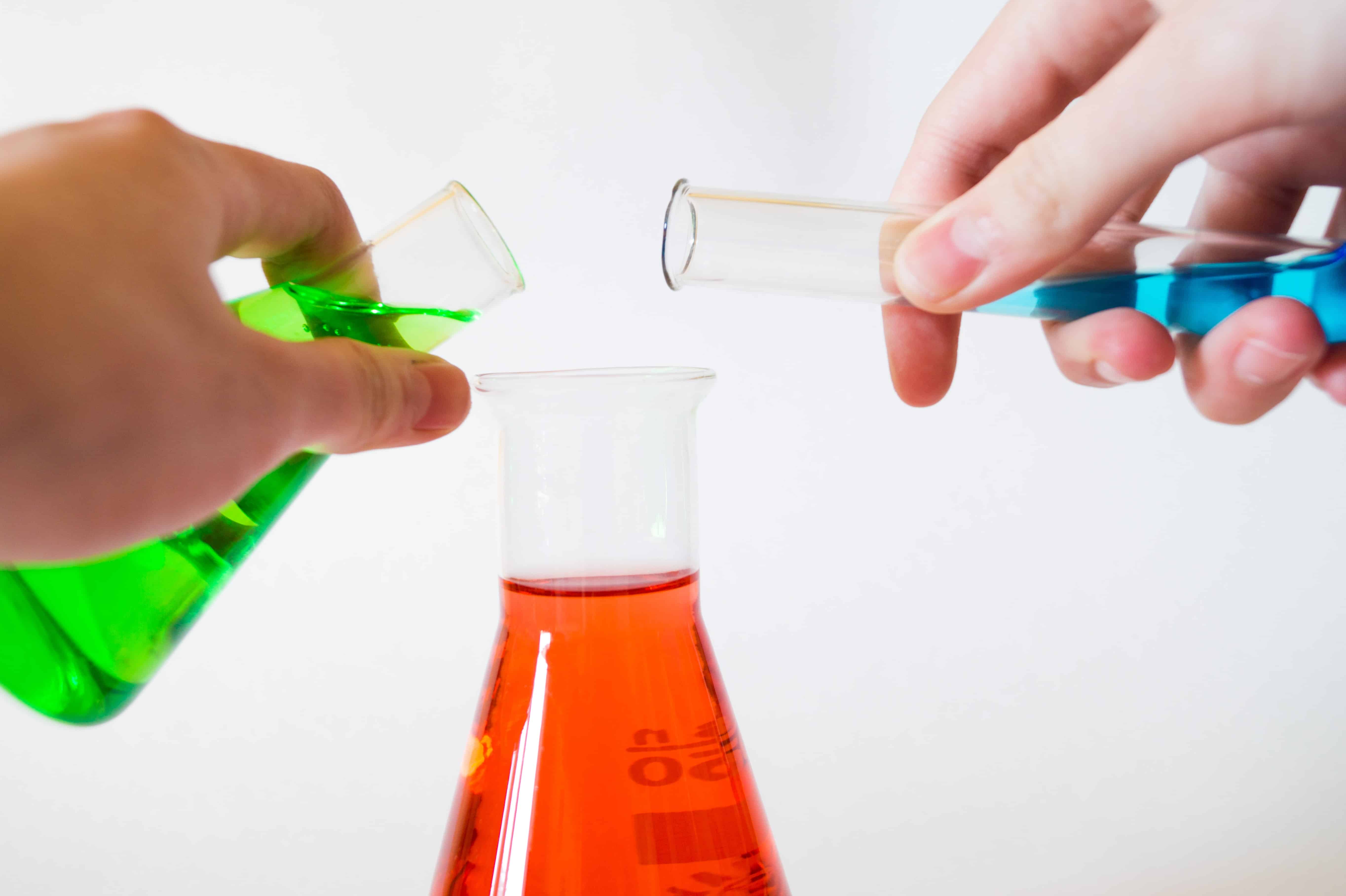
Chemistry graduates successfully transition into healthcare, renewable energy, agriculture, food production, cosmetics, advanced manufacturing and environmental management because the underlying analytical skills remain highly transferable.
This flexibility allows professionals to adapt as industries evolve while continuing to apply their scientific expertise in different settings.
Final Advice For Students And Graduates
Building experience early through internships, placements, undergraduate research and professional networking often has as much impact as academic performance. Employers value graduates who demonstrate curiosity, initiative and the ability to apply chemistry to real world challenges. Check out the cost of chemistry tuition to see how it fits into your learning plan.
Which chemistry career interests you most?
Whether you choose pharmaceutical research, environmental science, manufacturing, biotechnology or forensic investigation, a chemistry degree provides a strong scientific foundation that can lead to rewarding careers across many industries. By combining technical expertise with communication skills, practical experience and continuous learning, chemistry graduates remain well positioned to contribute to innovation, sustainability and scientific progress.
For more insights into your future chemistry career, read about what the future holds for chemistry graduates, or consider finding a chemistry tutor to guide you along the way.
References
- American Chemical Society (2025) Careers in Chemistry. Available at: https://www.acs.org/careers.html (Accessed: 6 August 2026).
- Royal Society of Chemistry (2025) Careers. Available at: https://www.rsc.org/funding-and-support/careers (Accessed: 6 August 2026).
- Prospects (2025) Chemist Job Profile. Available at: https://www.prospects.ac.uk/careers-advice/what-can-i-do-with-my-degree/chemistry/ (Accessed: 6 August 2026).
Summarize with AI:
Did you like this article? Leave a rating!


 Loading...
