
French is one of the world’s most influential languages 🌍, spoken across continents and used in diplomacy, culture, and education. As a Romance language, it developed from Latin and belongs to the Indo European language family. But unlike something created by a single inventor, French emerged gradually over centuries through conquest, cultural exchange, and political change.
people worldwide
Understanding the history of the French language reveals how it evolved from ancient regional dialects into the globally recognised modern French language we know today.
58 BC
Roman conquest introduces Latin to Gaul
5th century
Frankish rule influences language development
842
Strasbourg Oaths mark early Old French
10th century
Regional dialects established
1539
Ordinance of Villers Cotterêts makes French official
1635
Académie Française founded
17th to 19th centuries
French spreads globally through colonisation Modern era: French evolves with global influences
Modern era
French evolves with global influences
At its core, French reflects layers of history. From Celtic roots to Roman rule, from medieval kingdoms to global expansion, each era shaped its vocabulary, grammar, and pronunciation. This timeline traces those changes clearly so you can see how modern French came to be ✨.


Origins of the French Language
Pre Roman Languages in Gaul
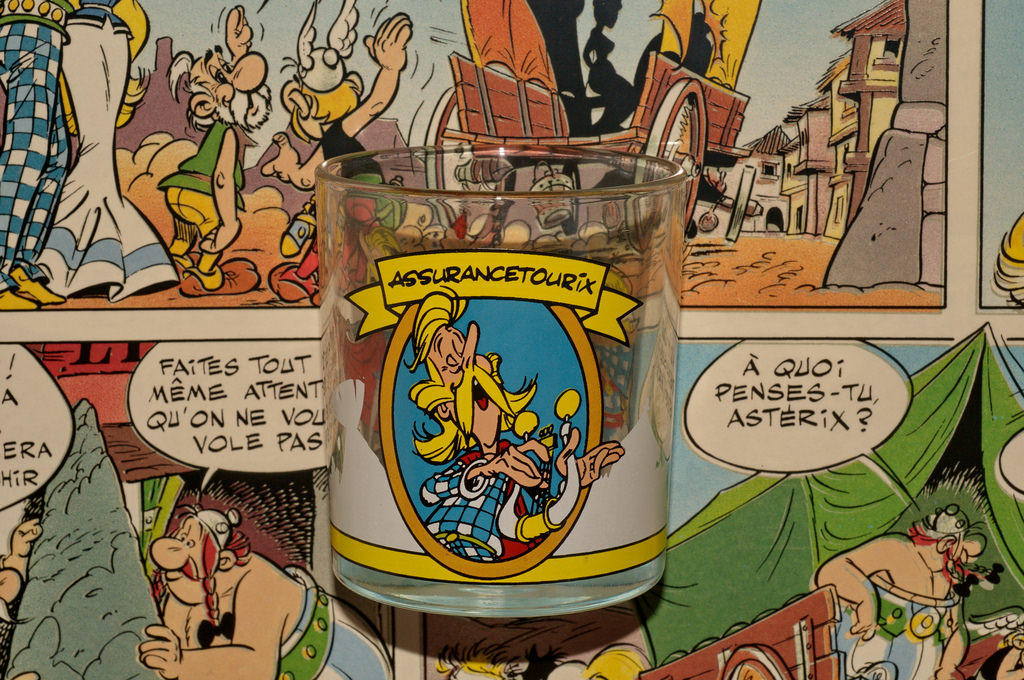
Before French existed, the region now known as France was called Gaul and was home to a mix of indigenous languages. The most prominent was Gaulish, a Celtic language spoken by the Gauls 🛡️. Other linguistic groups included Ligurian in the southeast and Iberian related languages in the southwest.
Gaulish was primarily oral, with limited written records. What survives today comes from inscriptions using Greek or early Italic alphabets. Scholars have reconstructed parts of the language from around 800 known inscriptions. Despite its eventual disappearance, Gaulish influenced pronunciation patterns and some vocabulary in early French.
At the time, linguistic diversity was the norm. Different regions spoke distinct languages, and there was no unified linguistic identity. This diversity set the stage for later transformations.
Roman Conquest and the Introduction of Latin
The turning point came in 58 BC when Roman forces led by Julius Caesar conquered Gaul ⚔️. Julius Caesar's later memoir, 'The History of the Gallic Wars, mentions that there were three Gauls:

- Belgic Gaul (Gallia Belgica) from northwest Europe, includes all of Belgium, part of the Netherlands and parts of Germany.
- Celtic Gaul (Gallia Celtica) the territory of what is now France, and includes parts of modern Switzerland and Germany.
- Aquitania: the territory southwest of France, that had spoken an entirely different language closer to the modern Basque.
With Roman rule came Latin, which became the administrative and cultural language of the region. Many early French philosophers wrote in Latin, such as Peter Abelard.
However, the Latin spoken by ordinary people was not the formal version used in literature. Instead, Vulgar Latin developed in everyday use, blending with local languages. This spoken Latin became the foundation for all Romance languages, including French, Spanish, and Italian.
French is an official language of organisations like the United Nations and the European Union 🌍
See examples of how Frankish influenced Vulgar Latin below:
- Gâteau, cake
- Sale, dirty
- Tomber, to fall
Even after the fall of the Roman Empire, Latin remained dominant in writing, religion, and scholarship for centuries. Yet spoken language continued to evolve. Over time, regional variations of Vulgar Latin drifted further from classical Latin, gradually forming early versions of French.
Evolution Through the Middle Ages
Germanic Influences and the Frankish Impact
After Roman authority declined, Germanic tribes moved into Gaul. Among them, the Franks had the most lasting impact 🏰. By the 5th century, they controlled much of the territory and established the foundations of medieval France.
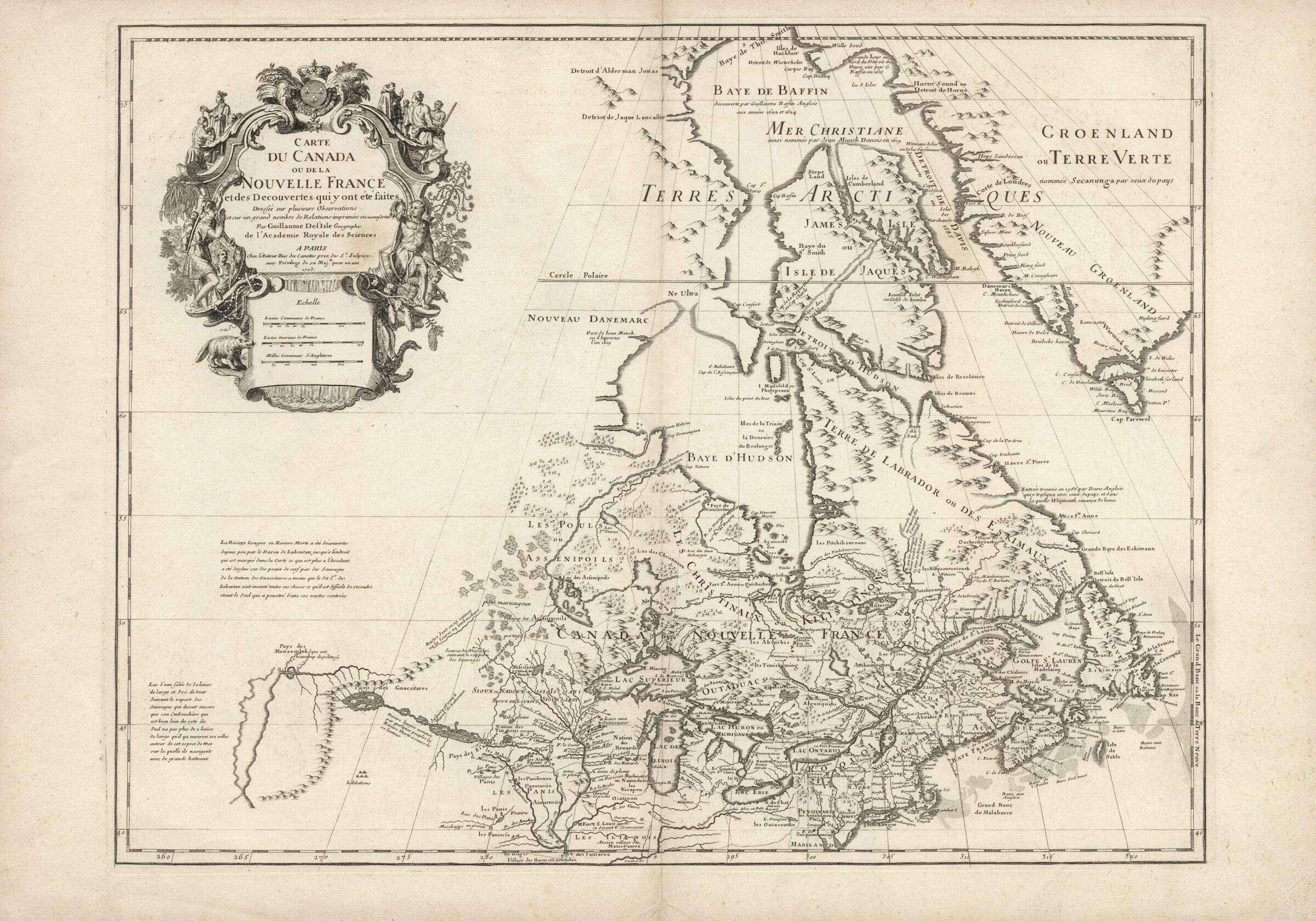
The Franks spoke a Germanic language known as Frankish. While Latin remained the base of communication, Frankish influenced pronunciation, vocabulary, and even naming conventions. Words related to everyday life and warfare entered the developing language.
Examples of French words influenced by Germanic roots include terms linked to movement, conflict, and social structure. This blending of Latin and Germanic elements created a more distinct linguistic identity that separated early French from other Romance languages.
Emergence of Old French
By the 9th century, the language spoken in northern France had evolved significantly from Latin. This stage is known as Old French 📜. One of the earliest written records is the Strasbourg Oaths from 842, a document that clearly shows a departure from Latin into a recognisable early French form.
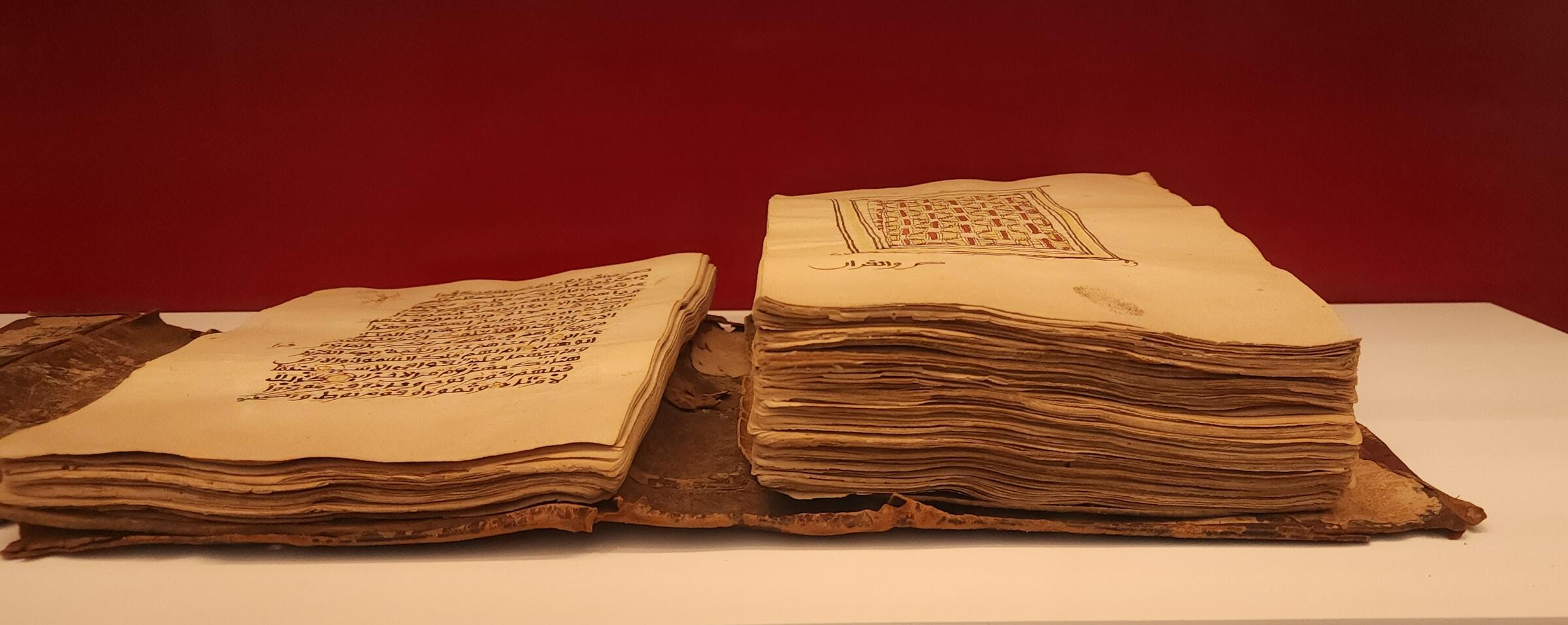
Old French was not uniform. It consisted of regional dialects, particularly the langue d’oïl in the north and the langue d’oc in the south. These were often considered separate languages rather than variations.
Linguistically, Old French saw major changes. Latin case endings disappeared, word order became more fixed, and pronunciation shifted. These developments made the language easier to speak but also more distinct from its Latin origins.
Middle French and Standardisation Efforts
From the 14th to the 16th centuries, French entered the Middle French period ✍️. This era marked a shift toward standardisation and wider use in official contexts.
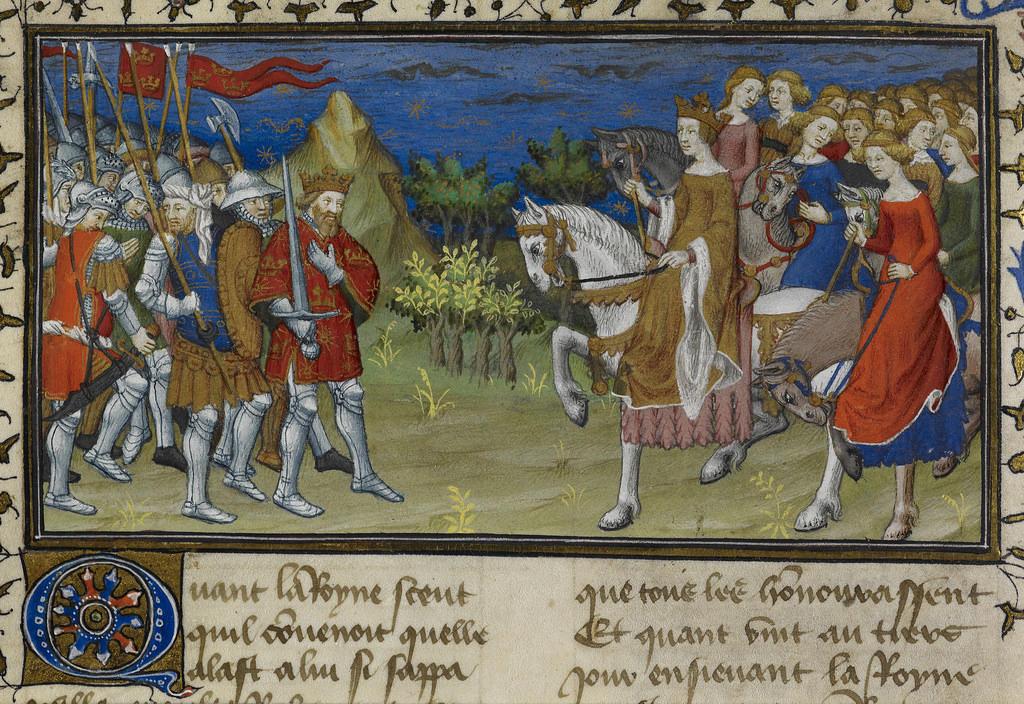
A key milestone was the Ordinance of Villers Cotterêts in 1539, signed by King Francis I. This law required French to be used in legal documents instead of Latin. It was a decisive moment in establishing French as the official language of administration.
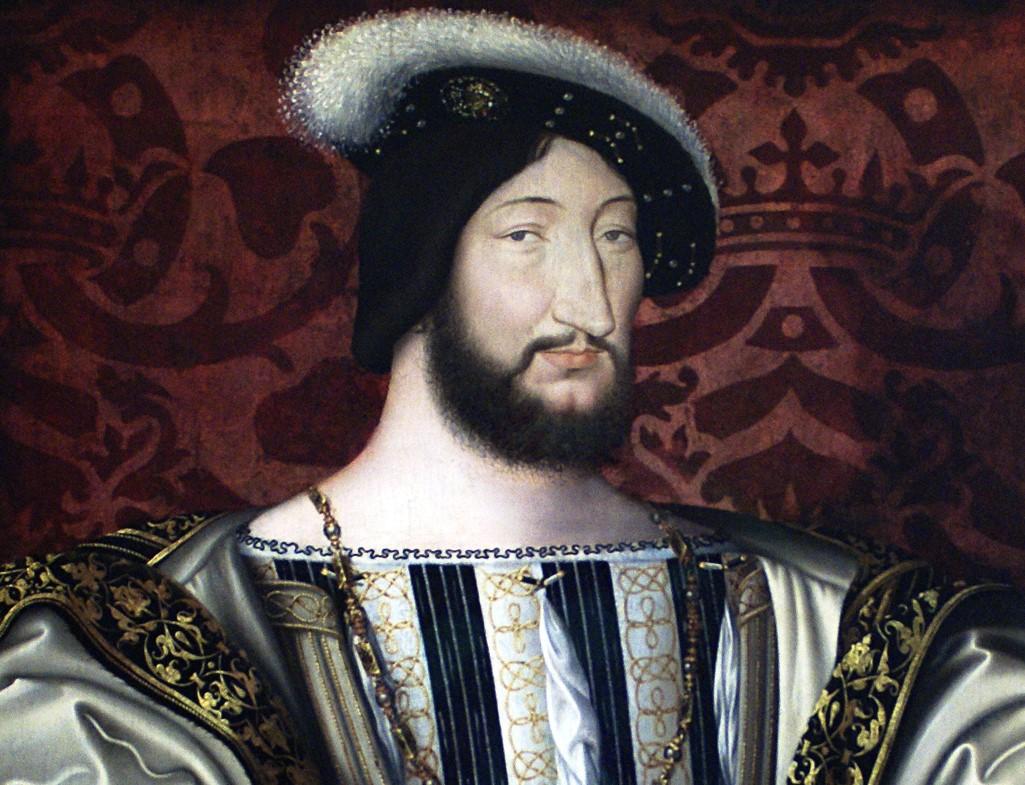
During this period, grammar simplified further, and spelling began to stabilise. Literature in French flourished, helping to spread a more standard form of the language across regions. However, many local dialects remained in use among the general population.
Modernisation and Global Spread
Classical French and the Role of the Académie Française
The 17th century brought efforts to regulate and refine French 🎓. In 1635, Cardinal Richelieu established the Académie Française, an institution dedicated to preserving the purity and clarity of the language.
The Académie worked on dictionaries and grammar guides, aiming to standardise usage across France. This period, known as Classical French, emphasised clarity, elegance, and precision. It shaped the formal French still taught today.
French also became the language of European courts and diplomacy. Under Louis XIV, it gained prestige as the language of culture and international relations. For several centuries, French served as the dominant diplomatic language in Europe.
French as a Global Language
French expanded beyond Europe through colonisation 🌐. From the 17th century onward, it spread to parts of North America, the Caribbean, Africa, and Asia. While the details of each region differ, the overall effect was the creation of a global French speaking community.
In many places, French mixed with local languages, producing creoles and regional variations. This process enriched the language while also diversifying it. French became not just a European language but a global one.
Today, it remains an official language in many international organisations and continues to be widely studied worldwide.
Contemporary French and Its Variants
Modern French continues to evolve 💬. Influences from migration, technology, and global communication have introduced new vocabulary and expressions.
...the French tongue is not fixed and never will be. A language does not become fixed.
Victor Hugo
English has had a noticeable impact, especially in areas like business and technology. Words such as weekend and internet related terms have become part of everyday French usage.
At the same time, efforts to preserve linguistic heritage have led to renewed interest in regional dialects and minority languages. Institutions and governments promote linguistic diversity while maintaining standard French as a unifying language.
Which French-speaking language do you most want to visit?
French today exists in many forms, from formal written French to informal spoken varieties across different regions. This diversity reflects its long and complex history. Take online French courses here. or search for lessons in specific regions such as Toronto or Montreal.
References
- Brunot, F. (1966). Histoire de la langue française. Paris: Armand Colin. Available at: https://www.persee.fr. Accessed 05 May 2026.
- Lodge, R. (1993). French: From Dialect to Standard. London: Routledge. Available at: https://www.routledge.com. Accessed 05 May 2026.
- Rickard, P. (1989). A History of the French Language. London: Unwin Hyman. Available at: https://archive.org. Accessed 05 May 2026.
- Walter, H. (2001). French Inside Out. London: Routledge. Available at: https://www.routledge.com. Accessed 05 May 2026.
Summarize with AI:
Did you like this article? Leave a rating!


 Loading...