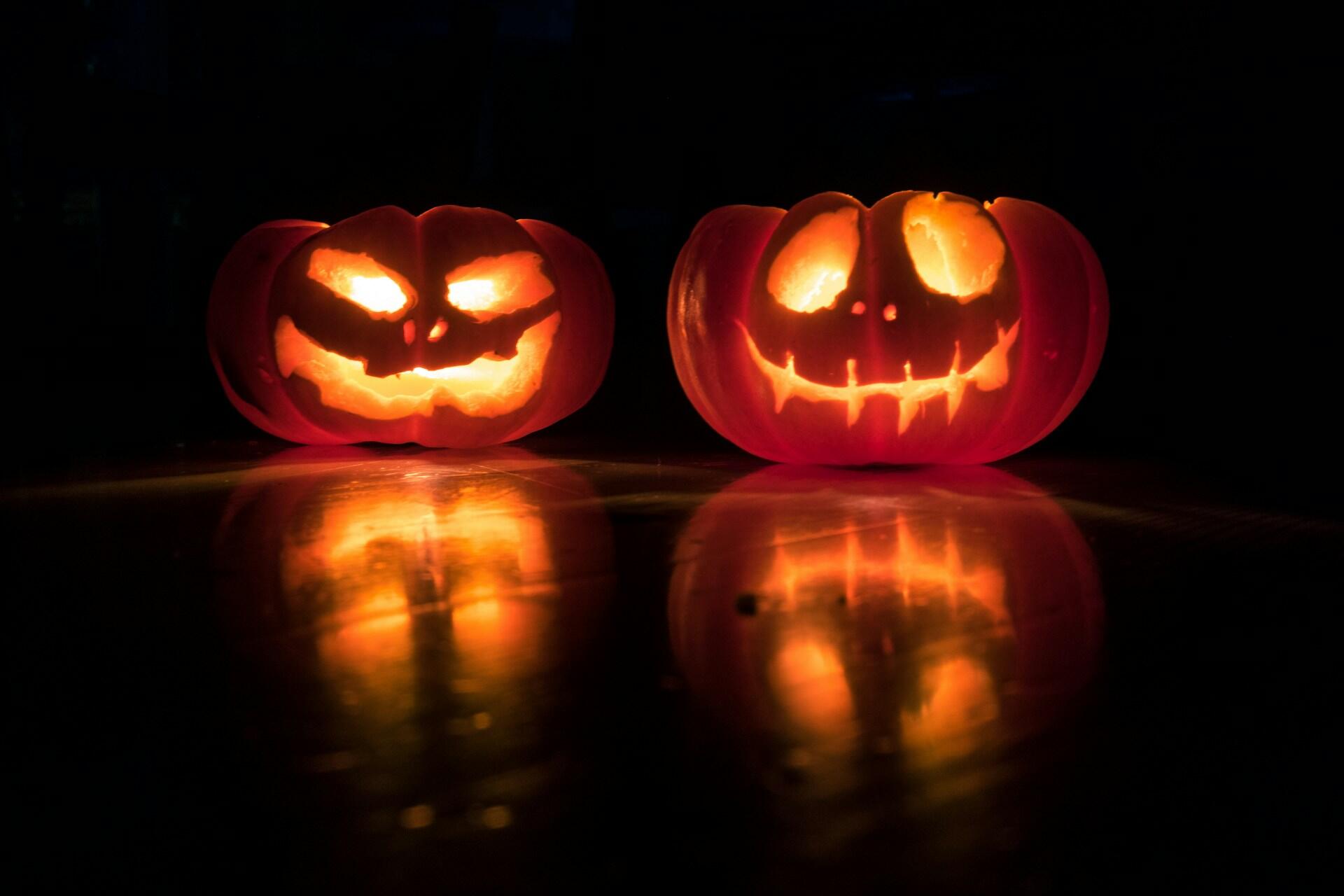

Every October, someone at the party claims to be a Halloween expert. Our Halloween quiz puts that claim to the test. It covers history, old customs, and the way Americans celebrate today.
At the end, you earn one of four ranks, from Newbie Trick-or-Treater to Halloween Grand Master. Play first and learn as you go! Happy spooky season! 🧙🏻♀️
Quiz
Quiz :


Where Does Halloween Come From?
Halloween grew out of Samhain, an ancient Celtic festival marking the end of the harvest, and later blended with the Christian All Hallows' Eve.
The Celts believed the line between the living and the dead grew thin on October 31. To mark the night, they lit sacred bonfires, wore costumes and told fortunes. Rome added its own touches. After conquering most Celtic lands by A.D. 43, the Romans blended two of their festivals into Samhain. One honored the dead, the other celebrated Pomona, the goddess of fruit and trees, which may explain why apples joined the celebrations.
How Did Samhain Become Halloween?
In 609, Pope Boniface IV dedicated the Pantheon in Rome to Christian martyrs. Later, Pope Gregory III expanded the celebration to all saints and moved it to November 1. By A.D. 1000, the church had made November 2 All Souls' Day. The night before All Saints' Day became All Hallows' Eve and over time the name shrank to Halloween.
609
Pope Boniface IV dedicates the Pantheon to Christian martyrs
A.D. 1000
November 2 becomes All Souls' Day
Mid-to-late 1800s
Irish immigrants fleeing the famine help popularize Halloween across the US
1920-1950
Trick-or-treating is revived in American neighborhoods
Around 1950
Trick-or-Treat for UNICEF begins in Philadelphia
1970s-1980s
Slasher films make costumes more gruesome and scary
What Were Halloween Traditions Like in the Past?
Early Halloween traditions centered on bonfires, disguises, food offerings and fortune-telling, all meant to honor the dead or keeping wandering spirits away.
Costumes began as protection. People wore masks so roaming spirits would not recognize them. They also left food out to keep ghosts happy.
Souling Tradition
In England, the less fortunate went door to door and received pastries called soul cakes. In return, they prayed for the dead. Children later took up the habit, known as going a-souling, an early forerunner of trick-or-treeating.
Soul cakes are round, spiced cookies made traditionally with flour, butter, sugar, and spices.
People Carved Turnips Before Pumpkins
An Irish folktale tells of Stingy Jack, who tricked the Devil twice and won extra years of life. After Jack died, Heaven and hell both turned him away and he wandered the Earth with a glowing ember inside a hollowed-out turnip.
Townsfolk carved turnips of their own to scare off wandering spirits like Jack. Turnips grew abundantly in Ireland, but Irish immigrants brought the custom to North America, where pumpkins were native and bountiful.

Between 1.3 to 1.5 billion pounds of pumpkins are sold every year!
How Did Halloween Become an American Holiday?
Halloween spread across the United States in the mid-to-late 1800s, when Irish immigrants fleeing the famine helped popularize their customs.
Early on, strict Protestant beliefs limited celebrations in colonial New England. Maryland and the southern colonies embraced them more. By the late 1800s, Halloween had shifted toward parties and community gatherings and by the early 1900s, most religious and superstitious overtones had faded.
Trick-or-treating returned between 1920 and 1950 as an inexpensive way for neighborhoods to share the holiday. By the 1950s, Halloween was aimed mainly at children and early costumes were mostly homemade and spooky. Later decades brought outfits inspired by films, cartoons, current events and even presidents.

Nowadays, Americans mainly celebrate Halloween by handing out candy, wearing costumes, going to haunted houses, decorating, carving pumpkins and watching scary movies. Many of these habits echo the past and new traditions continue to pop up each year!
Top Halloween Trivia Facts
Overall, Halloween has traveled a long way, from Celtic bonfires and Roman orchards to neighborhood porches and costume parties. That history makes every pumpkin and piece of candy a little more interesting. Share the quiz with friends, and see who earns the Grand Master title at this year's Halloween bash!
Summarize with AI:
Did you like this article? Leave a rating!

 Loading...