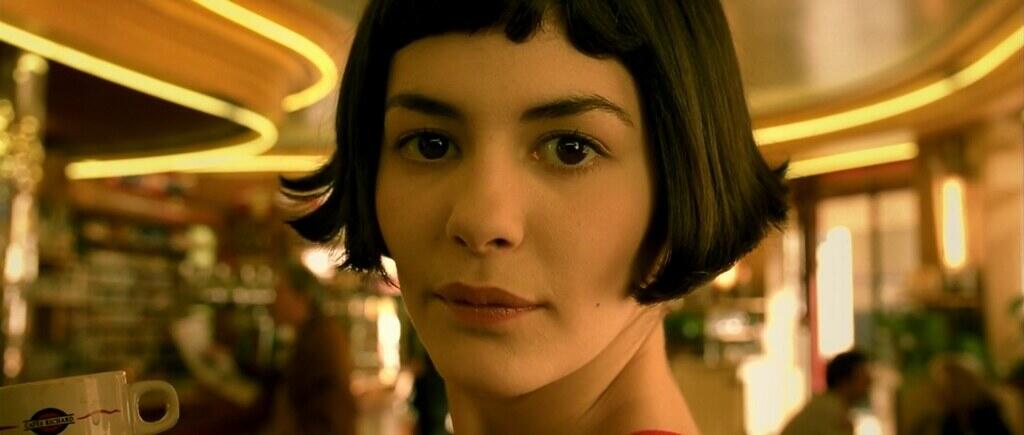

French cinema is not only a reflection of the country's history and culture, but it has also transformed the art form in its narrative and style, giving the world filmmakers like Jean Renoir, Alice Guy, Agnès Varda, Jean-Luc Godard, François Truffaut, and currently figures such as Julia Ducournau, Justine Triet, Michel Hazanavicius, and François Ozon. But its greatest achievement has been bringing cinema to a wider audience.
It is in French cinema where its productions are recognized for the first time as “artistic pieces", such as:
1931
La chienne
The Bitch, directed by Jean Renoir
1931
Marius
Directed by Alexander Korda
1932
Fanny
Directed by Marc Allégret
1945
Les enfants du Paradis
Children of Paradise, by Marcel Carné
1946
La Belle et la Bête
Beauty and the Beast, by Jean Cocteau


The Origins and Evolution of French Cinema
The Birth of Cinema and Early Innovation
It was the aptly named Lumière brothers who, in 1895, patented their cinematograph, a device that permitted not only the recording of images on moving film, but the projection of those images onto a screen.
They were a few years ahead of Thomas Edison's kinetoscope, which used the same type of perforated film patented by French inventor Louis Le Prince; this film type was used until video, and later digital, became mainstream.
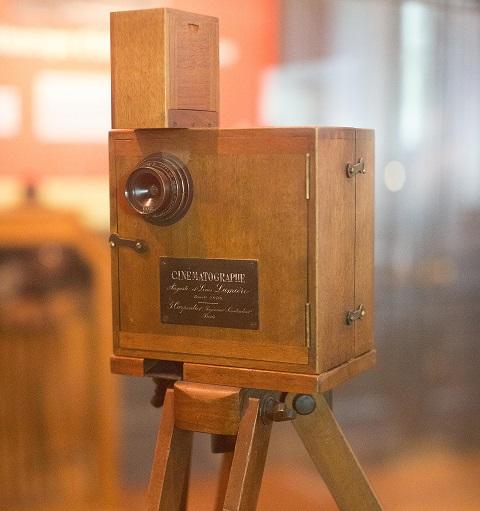
Whereas the American inventor's device, nicknamed the peepshow, only afforded one person at a time to view the enclosed film reel (Imagine taking your children to see the latest animated feature, only to have them queue up for their turn to watch it!), the Lumière brothers' invention allowed an entire audience to enjoy the visual feasts they'd created. We are indeed grateful to the French inventors for providing entertainment to the masses.
Ironically enough, after earning accolades from the Society for Industry in Paris and even earning a bit of money from curious patrons of the art, the inventors themselves saw no industry in film, calling it a passing fancy.
The cinema is an invention without of a future
Louis Lumière
Oh, if he only knew! It was Georges Méliès who first understood that film is a form of artistic expression. A former stage magician, he knew all the tricks to embellish a scene and create illusion. He put his talent to work, opening a film studio in Paris. He went on to create wildly inventive fantasy films, including the world's first-ever science fiction saga, A Trip to the Moon, in 1902. In all, M. Méliès's studio produced over 500 films, some of them in colour.
In those early days, film provided only contrast; no colour. Thus, every frame had to be painstakingly painted to lend more credibility to the on-screen action. As you might imagine, producing such entertainment required substantial effort. You might even reason that, if so much time would be spent in the studio, how did these films ever see the light of day, as it were?
You may recognize the names Pathé and Gaumont, the very first film distributors, whose companies still exist today. Gaumont made Alice Guy's career flourish, and Pathé Studios, not to be outdone, is credited with discovering the world's very first international movie star: Max Linder.
In a tragic pattern that has plagued the industry ever since, he committed suicide at a young age by drinking barbiturates, injecting morphine and slashing his wrists. Another oft-repeated pattern of famous film stars that he initiated: changing a far more cumbersome birth moniker to a more memorable stage name.
Alice Guy is credited as the world's first female film director and inventor of the concept of film narrative. Studio head Léon Gaumont engaged her services because she was a visionary in filmmaking and unusually talented.
Silent Era and Poetic Realism
Prior to the First World War, France led the movie industry, with America lagging a substantial way behind. However, a shortage of film stock, coupled with the war, led the French to scale back their efforts to create silver-screen magic. By the time peace was declared, the American box office had overtaken French ticket receipts
The next wave of French film production provided the bedrock of what is now dubbed auteur theory: one person having complete control over creative direction. Abel Gance directed the auteur epic Napoleon, a six-hour master opus that stands as the greatest silent film ever made. Other visionary names of that period include:
- Marcel L'Herbier
- Jean Epstein
- Germaine Dulac
- René Clair
- Jacques Feyder
- Louis Delluc
- Raymond Bernard
Joan of Arc, a great "Danish film."
Period dramas and literary adaptations were the prevalent genres at that time, as reflected in Fescourt's Les Misérables. Not all great French films of that period were directed by French people. The Passion of Joan of Arc, one of France's most culturally relevant films, was directed by Danish filmmaker Theodor Dreyer. In fact, as French cinema grew internationally, a number of actors, producers and editors from other countries made their way to France to break into the business.
You can check Superprof if you want to take French lessons online.
Post-War Cinema and the French New Wave
This decade ushered in the era of sound. Some till-then successful movie makers found it difficult to adapt to this new technology. Others, such as Jean Renoir, accepted the challenge and ran away with it. The standout from this era must be La Règledu Jeu – The Rules of the Game, Renoir's satire of the French class system. They enjoyed such titles as:
- The Baker's Wife
- L'Atalante
- La Belle Equippe
- La Bête Humaine
- Pepe le Moko
During the 30's, the incomparable actress first appeared on screen. Since then, she has appeared in more than 110 films over a career that spanned 80 years.
To more effectively compete with Hollywood fare, German and French filmmaking combined forces, even though the politics of their respective countries were nowhere near as cooperative. World War II cast a pall over all forms of entertainment in Europe and around the world.
However, France's invaders demanded entertainment, so a few films were produced, including The Murder of Father Christmas and The Devil's Hand. Have you ever seen Beauty and the Beast? Jean Cocteau's 1946 masterpiece is hailed today as one of the most influential French films of all time. But were these titles the artistic version of thumbing noses at their oppressors? Even after the liberation of France, severe rationing of everything, including electricity, brought any French filmmaking effort to an end. Still, there were treasures...
Not all was magic and delight during that time, however. As part of a pact to repay Americans for their liberation, France agreed to screen far more American movies than French ones, which put the brakes on French cinema for a few years.
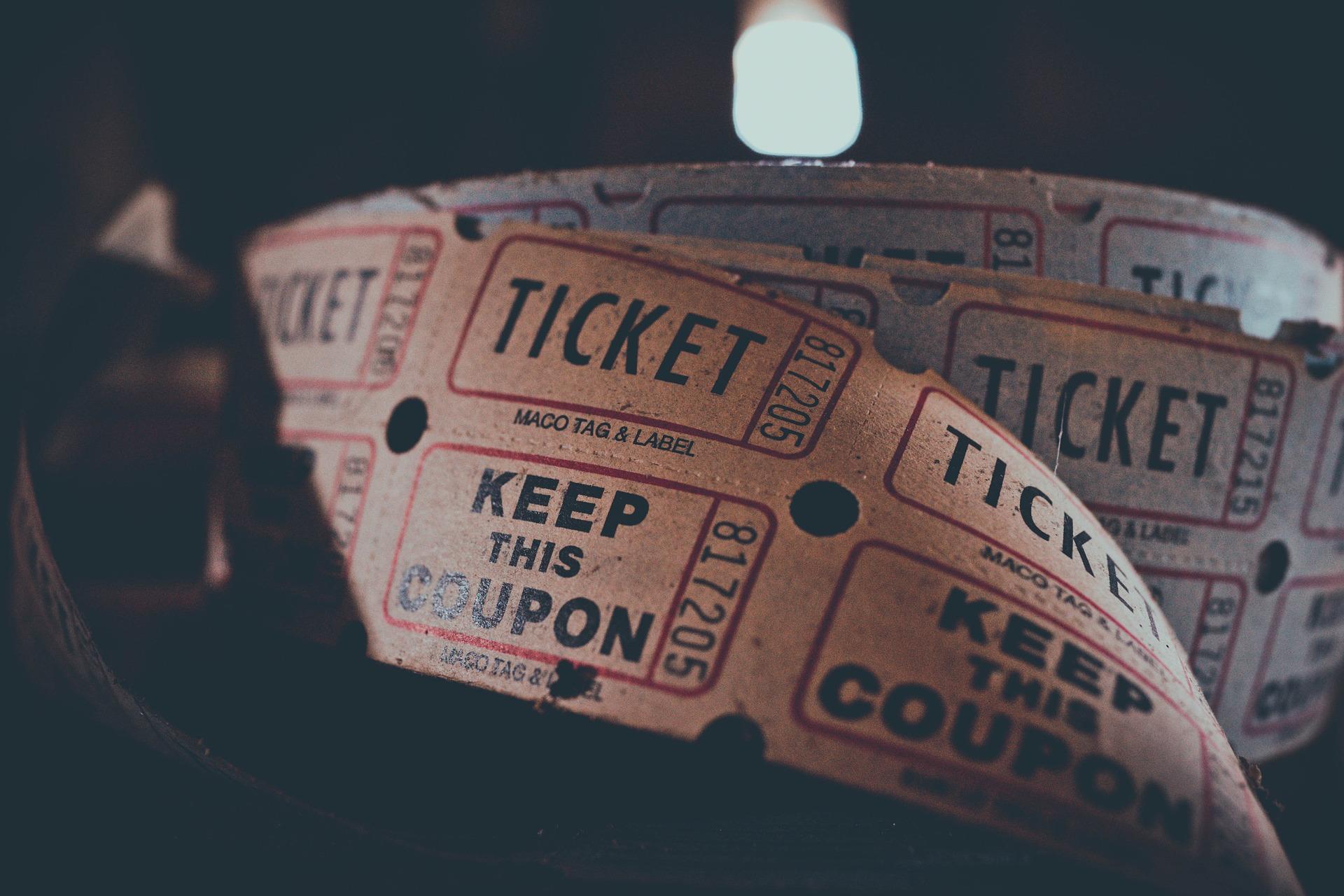
Barraged by the glut of imported films, French moviegoers soon made no issue of the fact that most everything they were watching had little to do with French culture or history. To stem that tide, the French government instilled a tax on each theatre ticket purchase, which led to the movie industry in France being heavily subsidized by the state, a condition that still exists today.
The French New Wave
The late 50s to late 1960s is when French cinema came into its own, freed of the shackles of American movie companies. At that point, French filmmakers rejected austerity and period pieces in favour of poetic realism, validating Truffaut's argument that film's content is indeed the sole purview of the director's ideals.
Gems from that period include:
- 400 Blows
- Breathless
- Hiroshima mon Amour
- Le Mépris
- Pierrot le Fou
Directors Jacques Tati, Robert Bresson, Jean-Pierre Melville, and Jacques Becker all subscribed to François Truffaut's idea of the film auteur, namely that the finished product should reflect the director's ethos. That is why French films of the 1950s seem to embrace distinctly different categorization: drama, gangster, thriller, comedy…
This Nouvelle Vague saw an explosion of talent! Luminaries who emoted on-screen from that period were:
- Alain Delon
- Brigitte Bardot
- Jean-Paul Belmondo
- Catherine Deneuve
- Claude Jade
- Stephanie Audran
As you get more invested in your French Lessons and the culture, you'll realize these talents and populate the landscape of French cinema as it evolved into the modern age. Today, we take it for granted that a few pounds and a bag of popcorn will guarantee us untold wonders on the big screen; Still, much like Terry Pratchett's Discworld characters, we should not forget the origins of this magic: Not that mouldy screen gods will come after us any time soon...
Iconic French Films Through the Decades
Many French teachers are eager to pass on their love of French films by including films such as Amélie, La Haine and Le Dîner des Cons in their French classes, but these aren't just some popular films; while subtitles and dubbed films allow us to get into the film, there's bound to be something lost in translation. This means that many French films are reserved for real cinema-goers looking for something new and unique. Let's discover their vast archive.
1940s–1970s
French cinema is not afraid to draw on its history or offer social commentary. Two of the films that have had the greatest impact on world cinema for their innovative structure and way of representing society—in different genres—are Les Enfants du Paradis (Children of Paradise, 1945) and La Grande Vadrouille (Don't Look Now… We're Being Shot At!, 1966).
Directed by Marcel Carné, Les Enfants du Paradis, released in 1945 just after the liberation of Paris, belongs to the poetic realism movement and has been chosen countless times as "The best French film ever made"; a "highly theatrical" film (which has even been adapted into an opera). Divided into two stages of its protagonists' lives, it tells the story of Garance and Baptiste, who meet in Paris in the 1830s and whose impossible love touches on many facets of infatuation, passion, and heartbreak.
A masterpiece of world cinema, Children of Paradise, a Marcel Carné film from 1945, was voted "Best film of all time" during cinema's centenary in 1995 and was recently designated a heritage of humanity by UNESCO.
On the other hand, French cinema developed a rich vein of comedy thanks to Louis de Funès, probably the most famous comedian in its history and star of La Grande Vadrouille (Don't Look Now… We're Being Shot At!), a box-office hit in 1966 (over 10 million viewers). The film is set during World War II, so releasing such a work just 20 years after the German occupation of France was quite risky, especially since it was a comedy.
One of its strengths lies in offering, through the duo of De Funès and Bourvil (another of the greats of his time), a charming adventure set in a dark period of European history, where three British pilots whose plane crashes in Paris try to escape with the help of the French, going through all sorts of adventures that distract the viewer from the conflict that brings the protagonists together.
The first postwar Cannes Film Festival, held in 1946, helped position France at the center of global cinema culture.
However, if you want the full cinema experience, check out independent cinemas in your area to see if they are showing any French movies, as well as special screenings and any series they may be showing, while you're getting invested in French culture through online French courses.
1980s–1990s
From director Jean-Jacques Beineix, Diva is considered the first film of “cinema du look”, a narrative style characterized by its emphasis on colour and aesthetics over narrative. Outlandish or dreamlike settings, action, saturation, and a constantly buzzing Paris are common elements in this type of cinema.
Luc Besson's La Femme Nikita (1990) brought to the screen one of the most famous female heroines in film history, so much so that it even had its own television adaptation. The story, with its violent, crime-thriller tone, presents Nikita, a woman who has been mistreated by life and forced to rebel; however, her destiny is marked by her path to becoming a professional assassin.
Jean-Jacques Beineix, Luc Besson, and Leo Carax are the three best-known representatives of the "cinema du look" movement, which prioritizes aesthetics over narrative. Examples of these works include Les Amants du Pont Neuf (The Lovers on the Bridge), 37°2 le matin (Betty Blue), Mauvais Sang (The Night Is Young), Subway, Le Grand Bleu (The Big Blue), and La Lune dans le Caniveau (The Moon in the Gutter).
Jean de Florette (1986)
In this acclaimed French drama, the enterprising Ugolin Soubeyran (Daniel Auteuil) returns to his native countryside after serving in the military. Intent on growing expensive flowers, he conspires with his uncle, Cesar (Yves Montand), to gain access to a hidden spring on a neighbouring property. When their initial attempt to buy the land fails, they must contend with Jean de Florette (Gérard Depardieu), who arrives with his family to work the coveted plot and turn it into a profitable farm.
Manon des Sources (Manon of the Spring, 1986)
Manon (Emmanuelle Béart), a beautiful shepherdess in Provence, France, has lost her father and seen her family's livelihood ruined by the greed of her neighbours, Ugolin (Daniel Auteuil) and his grandfather, Cesar (Yves Montand). Now grown and living in isolation from the village, she plots revenge against the men for their misdeeds. Her plot is complicated by Ugolin, who has fallen in love with her -- but Manon's retribution will not be deterred.
La Haine (1995)
When a young Arab is arrested and beaten unconscious by police, a riot erupts in the notoriously violent suburbs outside of Paris. Three of the victim's peers, Vinz (Vincent Cassel), Said (Said Taghmaoui) and Hubert (Hubert Koundé), wander aimlessly about their home turf in the aftermath of the violence as they try to come to grips with their outrage over the brutal incident. After one of the men finds a police officer's discarded weapon, their night seems poised to take a bleak turn.
Diner des Cons (1998)
The Dinner Game, or Le diner de cons, follows the efforts of a group of judgmental businessmen to find the most dense, strange, idiotic people imaginable to invite to a secretly competitive dinner date, a date in which they will be asked to talk about themselves and their hobbies. This occasion isn't meant to be informative or charming; mean spirit and black comedy drive this social manipulation forward.
2000s–Present ✅
Amelie (2001)
Amélie is a fanciful comedy about a young woman who discreetly orchestrates the lives of the people around her, creating a world exclusively of her own making. Shot in over 80 Parisian locations, acclaimed director Jean-Pierre Jeunet (Delicatessen; The City of Lost Children) invokes his incomparable visionary style to capture the exquisite charm and mystery of modern-day Paris through the eyes of a beautiful ingenue.
Les Choristes (2004)
Pierre (Jean-Baptiste Maunier) is an aimless child at an austere boarding school in France. The students and faculty are constantly at odds with one another until a music teacher, Clément Mathieu (Gérard Jugnot), arrives and starts a choir. Clément -- who has troubles of his own -- tries to change the school's reactionary policies, choosing instead to encourage his students. His efforts have a particular impact on Pierre, who shows great musical promise.
Intouchables (2011)
In Paris, the aristocratic and intellectual Philippe is a quadriplegic millionaire who is interviewing candidates for the position of his carer, with his red-haired secretary Magalie. Out of the blue, Driss cuts in line and brings a Social Security document, asking Phillipe to sign it to prove he is seeking employment so he can receive his unemployment benefits. Philippe challenges Driss, offering him a one-month trial period to gain experience by helping him. Then Driss can decide whether he wants to stay with him. Driss accepts the challenge and moves to the mansion, changing the boring life of Phillipe and his employees.
Prominent Figures in French Cinema
Renowned Directors
French directors have shaped the way we think about cinema. Here are a few key figures whose work has left a lasting mark on the film industry.
Jean Renoir
Jean Renoir, son of the celebrated painter Auguste Renoir, was one of the founding figures of the global film industry. Renoir was one of the first filmmakers to express social criticism through cinema, for example, by showcasing social class differences in movies such as The Rules of the Game.
Agnès Varda
A leading female figure of the French New Wave, she elevated the theme of feminism in cinema, maintaining relevance for more than 60 years of work as a filmmaker, photographer, and visual artist. Agnès Varda filmed more than 40 movies; the most famous of her time, as part of the French New Wave, was Cléo from 5 to 7, a 1962 box-office hit that tells, in real time, the life of a singer waiting for medical tests.
François Truffaut
A complete admirer of cinema, a fan of Welles, Renoir, Rossellini, and even Hitchcock himself, and an actor, François Truffaut, the iconic French director, is responsible for the internationalization of the Nouvelle Vague, thanks to his film Les 400 Coups (The 400 Blows).
This story can easily be classified as a coming-of-age tale; following the mischievous antics of a boy in 1960s Paris, it evokes the deepest feelings about friendship, motivation, and childhood dreams—a recurring theme in his filmography. Jean-Pierre Léaud is the film lead of this Truffaut's gem; the actor became the lead of other Truffaut films following the story of the same character as the film in which he debuted:
L’Homme qui aimait les femmes (The Man Who Loved Women), Jules et Jim, and Fahrenheit 451, are some of Truffaut's best-known films. He died at only 52 years old.
Celebrated Actors and Actresses
If there's one film industry with global impact, it's the French one, not only through its directors and the inventiveness of its storytelling, but also through the embodiment of iconic characters by performers such as the recently deceased Brigitte Bardot, Jean-Paul Belmondo, and Isabelle Huppert.
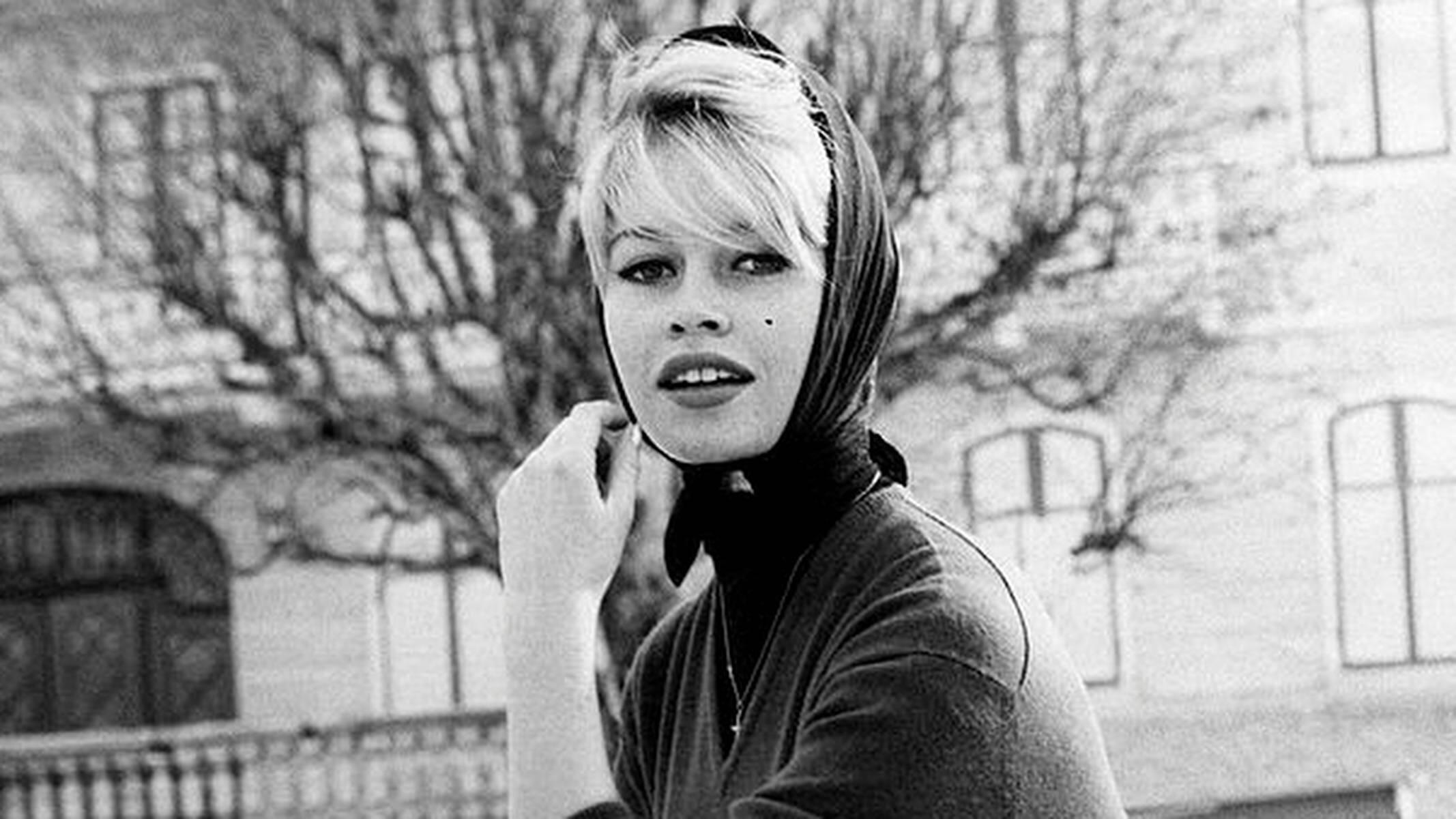
Probably the most internationally recognized French actress, muse to Serge Gainsbourg (who composed several songs for her) and Godard (a central figure in the classic Le Mépris - Contempt), this singer and writer also studied at the Paris Conservatory before launching her career in the 1950s.
With films like Et dieu…créa la femme (And God Created Woman), she catapulted her international career and allowed her to conquer the box office not only in France. Although she put the brakes on her career and stopped making films in the late 1970s, she made more than 45 films, including Viva Maria! and Voulez-vous danser avec moi? (Come Dance with Me!)
An emblem of the French New Wave and action cinema, Jean-Paul Belmondo worked with the most representative directors of the movement, beginning with Jean-Luc Godard and Jean-Luc Chabrol.
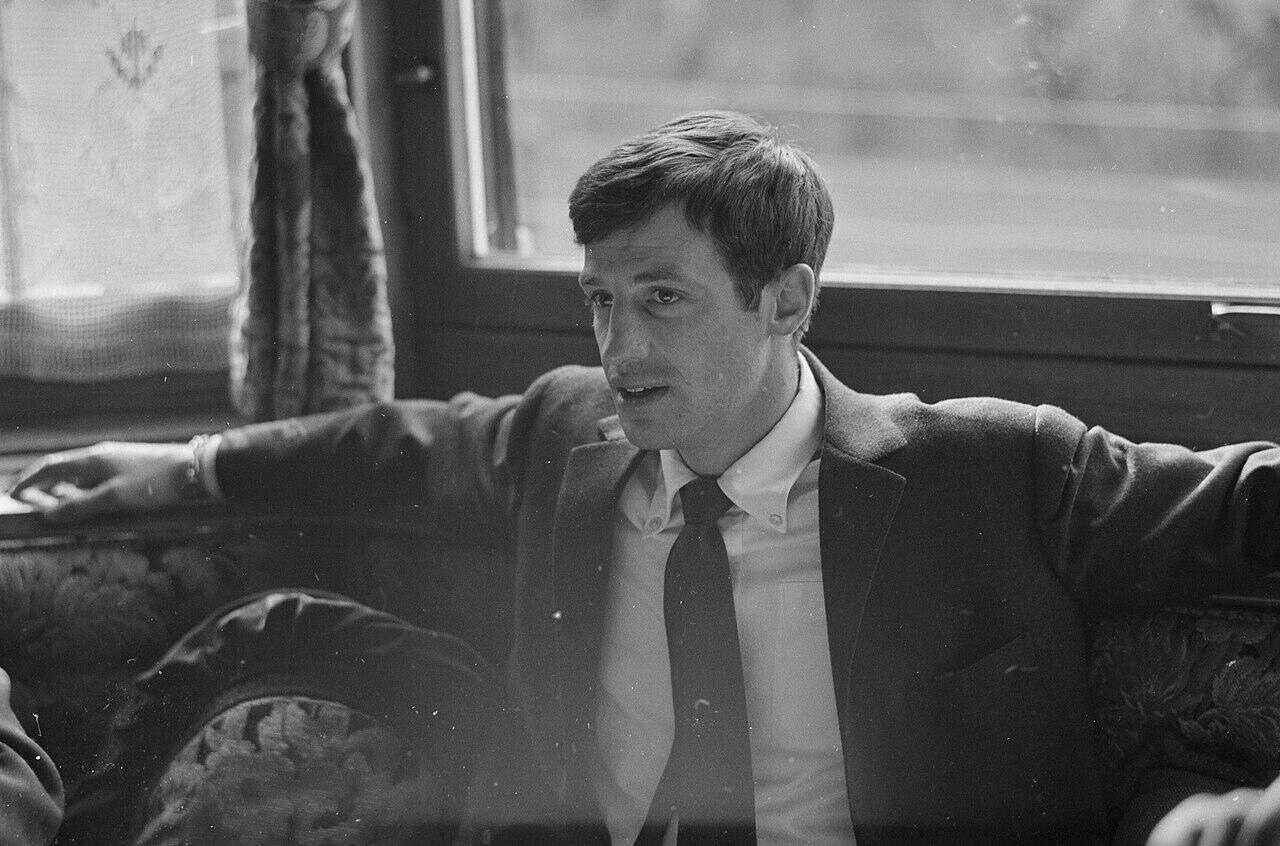
Belmondo trained at the Paris Conservatory, beginning his career in theatre (which he continued throughout his life), and making his triumphant entry into film in 1958 with a young Godard, then just a film critic shooting his first short films, who chose him as the star of the iconic Breathless.
A true star of the French box office, Belmondo's most famous films include Pierrot le Fou, L'Homme de Rio (That Man from Rio), L'Incorrigible, Classe tous risques (The Big Risk), and Itinéraire d'un enfant gâté (Itinerary of a Spoiled Child), among more than 80 feature films.
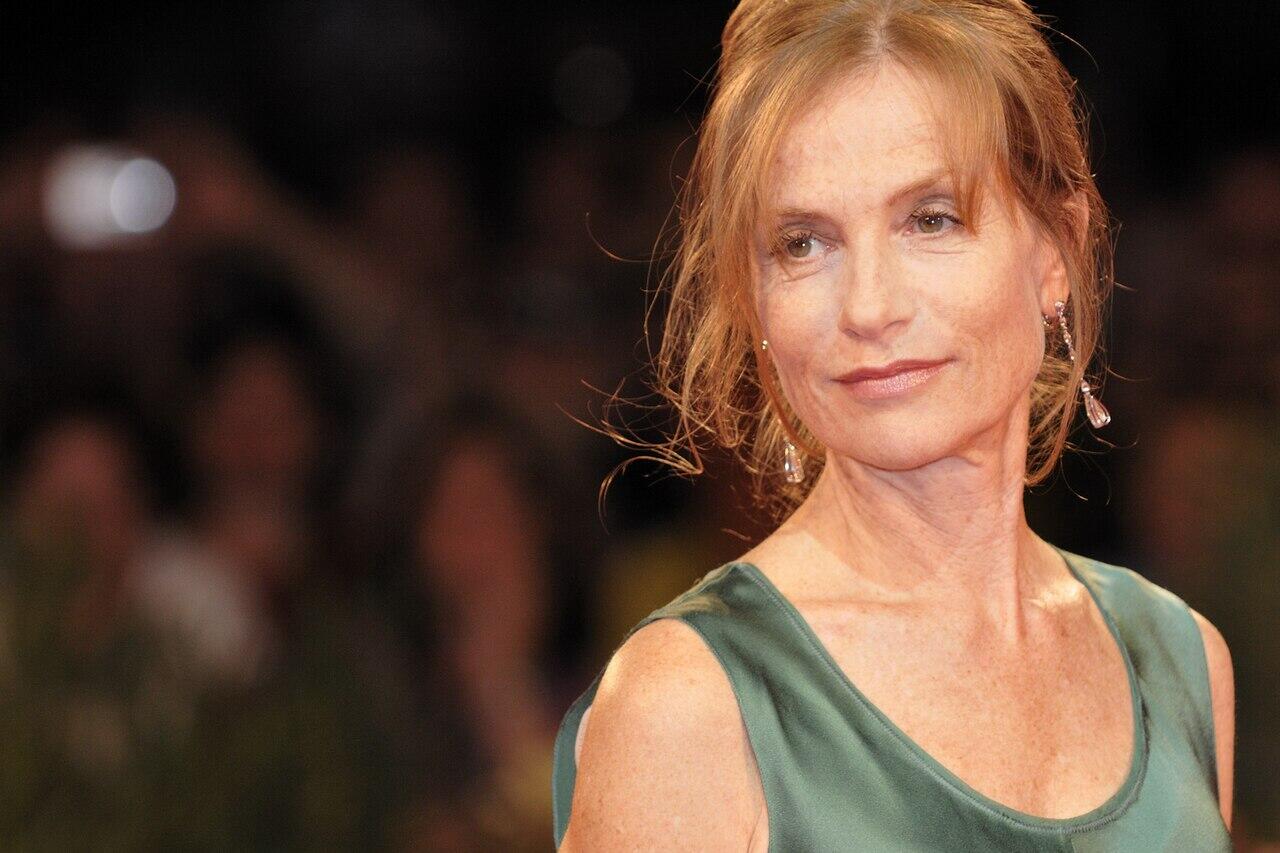
In recent decades, French cinema has found its most internationally renowned actress in Isabelle Huppert, an Oscar nominee who has appeared in more than 100 films. Star of intense dramas, she also studied at the Paris Conservatory, where she began acting at a young age, making her debut in Claude Sautet's César et Rosalie.
Isabelle knows how to portray both strong and fragile women, and is known for always bringing a captivating mystery to her performances; some of her most recognized roles include the legendary Emma Bovary in Madame Bovary by Claude Chabrol, and Erika Kohut, a tormented piano teacher who seeks solace in eroticism in the highly successful The Piano Teacher. This role earned her the Palme d'Or at Cannes in 2001.
French Cinema's Global Influence
Impact on International Filmmaking
French filmmakers have brought social criticism to the forefront across a wide range of narratives and contexts; they have been transgressive and controversial, pioneering the exploration of political, religious, and sexual themes to break down taboos, but their merit lies in making a wide range of realities accessible to the general public. One thing that you'll be learning in your French classes Toronto, is that French cinema creates concepts that may seem abstract or outlandish, playing with freedom and imagination.
Intouchables, a 2012 film directed by Olivier Nakache and Éric Toledano and starring Omar Sy and François Cluzet, was an international phenomenon and one of the most successful French film exports of the 21st century, grossing over $400 million worldwide. The story of a paralyzed millionaire and his caregiver from humble origins has its own versions in the United States (starring Bryan Cranston), India, Spain, South Korea, and other countries, and even has a stage adaptation.
Many French films have been adapted into English versions, taking advantage of their brilliant narratives and originality, including Édouard Molinaro's La Cage aux Folles.
| Original French Film | English Adaptation | Plot |
|---|---|---|
| La Totale! (Claude Zidi, 1991) | True Lies (James Cameron, 1994) | A secret agent hides his profession from his family. The Schwarzenegger and Jamie Lee Curtis version became a massive Hollywood blockbuster. |
| Le Jouet (Francis Veber, 1976) | The Toy (Richard Donner, 1982) | A rich kid "buys" a journalist to be his personal toy. The American adaptation was a major comedy vehicle for Richard Pryor. |
| Trois hommes et un couffin (Coline Serreau, 1985) | Three Men and a Baby (Leonard Nimoy, 1987) | Three confirmed bachelors are forced to care for an unexpected baby. The Hollywood remake became the highest-grossing film of 1987 in the US. |
| La Jetée (Chris Marker, 1962) | 12 Monkeys (Terry Gilliam, 1995) | A prisoner is sent back in time to save humanity from a deadly virus. This cult French short film inspired the acclaimed sci-fi feature starring Bruce Willis and Brad Pitt. |
| La Femme Nikita (Luc Besson, 1990) | Point of No Return (John Badham, 1993) | A convicted criminal is trained by the government to become an elite assassin. Bridget Fonda starred in this successful remake (which also spawned TV series). |
| Le Dîner de Cons (Francis Veber, 1998) | Dinner for Schmucks (Jay Roach, 2010) | A group of eccentric elites competes to bring the biggest "idiot" to a dinner party. The English version paired up the comedic talents of Steve Carell and Paul Rudd. |
| Pour Elle (Fred Cavayé, 2008) | The Next Three Days (Paul Haggis, 2010) | An ordinary man plots a prison break to rescue his innocent wife. Russell Crowe starred in this suspense thriller, which enjoyed great international reception. |
| Les Compères (Francis Veber, 1983) | Fathers' Day (Ivan Reitman, 1997) | A mother convinces two of her ex-boyfriends that each is the biological father of her runaway son to get them to look for him. It paired Robin Williams and Billy Crystal on screen. |
| La Famille Bélier (Éric Lartigau, 2014) | CODA (Sian Heder, 2021) | A hearing girl in a deaf family discovers her exceptional talent for singing. The American adaptation made history by winning the Academy Award for Best Picture. |
| Intouchables (Olivier Nakache, É. Toledano, 2011) | The Upside (Neil Burger, 2017) | The heartwarming friendship between a quadriplegic billionaire and his ex-con caregiver. The remake starring Bryan Cranston and Kevin Hart was a surprise box office hit, grossing over $100 million. |
French Films in International Festivals
The world's most famous film festival, the Cannes Film Festival, was founded in 1938, and at one point even had Louis Lumière, one of the fathers of cinema, as its president. Previously held in September, it has taken place in the spring since 1952. Interrupted by World War II, the political events of May 1968, and the COVID-19 pandemic, some of the most famous winners of the Palme d'Or for Best Director include:
🇸🇪 Ingmar Bergman
🇫🇷 François Truffaut
🇺🇸 Scorsese
🇩🇪 Wim Wenders
🇺🇸 Robert Altman
🇰🇷 Bong Joon-ho
🇪🇸Pedro Almodóvar
🇺🇸 Gus Van Sant
🇦🇹 Michael Haneke
🇺🇸 Francis Ford Coppola
🇧🇦 Emir Kusturica
On the other hand, the most prestigious award within the French film industry is undoubtedly the César, awarded by the Académie des Arts et Techniques du Cinéma since 1976. Although it recognizes all kinds of film-related categories (like the Oscars), the César also awards the best international cinema, has an honorary César, and at one time included a category for "Best European Film." Some of the films that Canadian filmgoers will recognize among the winners are:
- Au revoir les enfants (1988)
- La haine (1996)
- Amélie (2001)
- The Pianist (2003)
- The Artist (2012)
- Amour (2013)
Other French festivals with strong international recognition for the quality of their programs or for launching new talent include the Lumière Film Festival in Lyon, the Deauville American Film Festival (though dedicated to English-language cinema), and the Festival International du Film d'Amiens, which has been held for more than 45 years.
Cinemas and Film Festivals
Given our shared language in Canada, French cinema fortunately enjoys good distribution in the country. There are several film festivals where you can see not only César Award winners and French box-office hits, but also emerging filmmakers.
The Institut français du Canada, the Fédération culturelle canadienne-française, the Department of Canadian Heritage, and the Alliance Française are some of the organizations to follow closely to stay informed about French film screenings across Canada. Some of the most popular French or Francophone film festivals in Canada include:
As you will know, many films can be downloaded (with payment often required) from the Internet to watch from your laptop or computer, but you can also find some popular (and less so!) international French films on Netflix or Mubi. You can visit their website to find a list of French films currently airing and keep practicing alongside your French courses in Montreal on Superprof.
References
- Centre International D’Antibes. Les plus grands films français de tous les temps (No date). Available at: https://www.cia-france.fr/blog/culture-traditions-francaises/meilleurs-films-francais (Accessed: May 2026).
- Portail des Savoirs des Alpes- Maritimes. Les enfants du paradis, un film de Marcel Carné (28/11/2024). Available at: https://novascotia.com/listing/halifax-citadel-national-historic-site/ (Accessed: May 2026).
- Cinematheque Française. (no date) Available at: https://www.cinematheque.fr/article/1537.html (Accessed: May 2026)
- Cine Lounge. Cinéma du look. (No Date). Available at: https://www.cinelounge.org/Tag/2514/Cinema-du-look (Accessed: May 2026).
- Gala. Brigitte Bardot. (No Date). Available at: https://www.gala.fr/stars_et_gotha/brigitte_bardot (Accessed: May 2026).
- Trois Couleurs. QUEER GAZE: La femme Nikita n’est pas une femme (2023). Available at: https://www.troiscouleurs.fr/must-read/must-read-queer-gaze/queer-gaze-la-femme-nikita-nest-pas-une-femme-par-camille-regache/ (Accessed: May 2026).
Summarize with AI:
Did you like this article? Leave a rating!


 Loading...