

If you are wondering how long does it take to learn violin, a realistic answer is that many beginners can start playing very simple melodies within the first few months, develop dependable beginner skills within around 6 to 12 months and work towards an intermediate level over roughly 1 to 3 years. These are broad estimates, not deadlines. Practice habits, musical background, instruction and the level you want to reach can all change the timeline.
How Practice Time Can Affect Your Violin Learning:
| Daily practice | Approximate weekly practice | What this means for a beginner |
|---|---|---|
| 10-15 minutes | 70-105 minutes | Suitable for establishing a regular habit and working on small sections |
| 20-30 minutes | 140-210 minutes | Allows technique and repertoire to be covered consistently |
| 45-60 minutes | 315-420 minutes | Allows more detailed technical and repertoire work |
Practice also matters. Early violin teaching focuses on posture, tone, bow technique, listening and foundational note reading, so progress involves more than simply learning songs. Check out violin lessons for beginners.


Quick Answer: How Long Does It Take to Learn Violin?
For a complete beginner, the first few lessons are usually about becoming comfortable with the instrument and producing a controlled sound. With regular practice, simple melodies can become realistic within 1 to 3 months. Around 6 to 12 months, a learner can work towards reliable beginner playing, while reaching an intermediate standard commonly takes around 1 to 3 years. Advanced repertoire is a separate stage again, often involving more specialised technique and substantially longer study.
How long does it take to learn violin?
- First notes: first few lessons
- Simple melodies: around 1-3 months
- Confident beginner playing: around 6-12 months
- Intermediate playing: around 1-3 years.
These ranges are guides rather than guarantees. Playing a song is not the same milestone as developing the technique needed to play it consistently.
What "Learning the Violin" Actually Means
The phrase "learn the violin" can describe several goals. For one beginner, success means playing a favourite melody. Another may want to read unfamiliar music, play in an ensemble or tackle advanced repertoire. There are many skills to learn with violin lessons at different levels which you can choose from for your next musical goal:
Read beginner music
Play confidently with others
Perform advanced repertoire
This is why answers to how long does it take to learn the violin vary so much. Defining your target makes the timeline more useful.
Timeline at a Glance by Skill Level
A useful way to judge progress is to look at observable abilities rather than simply counting months. Your level is better indicated by what you can reliably do with the instrument.
Violin Learning Milestones
- First sounds
- Simple melodies
- Secure beginner technique
- Early intermediate repertoire
- Intermediate playing
The stages overlap, so moving into one level does not mean every earlier skill is perfect. A beginner may start playing more interesting repertoire while still improving intonation or bow control. It is therefore better to look for several signs of progress rather than waiting for a particular month when you are supposedly ready to move up.
Violin Learning Timeline by Level
Early violin learning is dominated by physical coordination and getting used to playing by building up experience.
1-4 weeks
1-3 months
6-12 months
Later progress increasingly involves consistency, expression and more demanding repertoire. This can lead to high proficiency performances for social environments or in a professional capacity.
1-3 years
Advanced study
These timelines are a guide rather than a test because learners practise for different amounts of time.
1-4 Weeks: Getting Used to the Instrument
The first month is about holding the violin, positioning the hands and moving the bow while maintaining stable posture.
Learning how the instrument responds to different bow movements is more important than producing a polished tone immediately. Beginner pedagogy emphasises posture, technique and tone because these foundations affect later playing.
1-3 Months: Playing Simple Melodies
Once basic movements become familiar, beginners can combine finger placement, bowing and rhythm to play simple melodies. This is often the first major payoff.
Accuracy is more valuable than speed. Because the violin has no frets, players must develop awareness of finger placement and pitch from the earliest stages. A slow passage played accurately gives you a much better foundation than repeatedly practising a faster version with the same errors.
6-12 Months: Building Beginner Confidence
After six to twelve months, the focus can shift towards dependable playing: maintaining rhythm, producing a consistent sound and recovering from mistakes.
Progress can feel slower because improvements become less dramatic. Playing a piece accurately several times is more meaningful than managing it successfully once.
1-3 Years: Reaching an Intermediate Level
For a consistent learner, one to three years can provide a foundation for intermediate playing. The emphasis moves beyond finding notes towards tone, phrasing, coordination and harder repertoire.
Intermediate development is about combining techniques while maintaining musical control.
What Affects How Long It Takes to Learn Violin?
Beginners start under different conditions, so the same amount of practice can produce different results. Practice consistency, feedback, previous musical experience and the quality of the instrument all influence how efficiently new skills develop.
Practice -Consistent sessions
Regular practice reinforces bowing, finger placement and rhythm while keeping recently learned skills familiar.
Feedback - Teacher guidance
A teacher can identify problems with posture, bow angle, tension or intonation that may be difficult to recognise independently.
These factors work together rather than independently. A beginner who practises briefly but consistently may progress more efficiently than someone who practises for longer but repeatedly reinforces the same technical mistakes.
Musical background -Previous experience
Existing knowledge of rhythm, notation or another instrument can make some parts of learning violin more familiar, although violin-specific technique still needs to be developed.
Equipment - Suitable setup
A correctly sized violin, functional bow and accurate tuning make it easier to develop technique and hear whether you are producing the intended result.
Even if you don't have an extensive musical background or fancy equipment, you can still learn the violin. In these cases, feedback can be extra helpful to advance your skills. You can even explore online violin lessons to make learning more accessible.
Practice Frequency and Consistency
Regular practice gives beginners repeated opportunities to reinforce movements that initially feel unfamiliar. A focused 15 to 20 minutes on most days can be more useful than one long session each week, particularly for early skills such as bow control, finger placement and rhythm.
Focus for different session lengths:
- 10-15 minutes: One technical focus and a short section of repertoire
- 20-30 minutes: Technique, repertoire and time to correct difficult passages
- 30-45 minutes: More detailed technical work, repertoire and review
- 45-60 minutes: Multiple technical and repertoire goals with time for repetition
The amount of practice matters, but so does what happens during that time. Slowing down a difficult passage and correcting an error is more productive than repeatedly playing it incorrectly.
Lessons vs Self-Learning
Lessons can make progress more efficient because a teacher can identify technical problems that are difficult for a beginner to see or hear independently. Posture, bow angle, unnecessary tension, finger placement and intonation can all affect playing. Often people worry that they are too old - while this comes with challenges, it is still very achievable to learn the violin as an adult!
Self-learning can still work with structured resources and careful practice, particularly for someone whose goal is straightforward beginner repertoire. Some violin sites and YouTube channel are available for those wanting to learn how to play the instrument. The main difficulty is knowing whether something that feels comfortable is actually technically sound. A teacher will also find music for your level, too, and answer any questions about the violin you might have.
Musical Background
Previous musical experience may make rhythm, notation or basic musical terminology easier to understand. Someone who has played another instrument may also be familiar with scales, timing and musical phrasing, although violin-specific coordination still needs to be developed.
Musical experience therefore may shorten some parts of the learning process without eliminating the beginner stage. Accurate finger placement and controlled bowing require practice regardless of previous experience.
Equipment and Setup
A correctly sized violin, functional bow, accurate tuning and comfortable setup provide a better foundation for learning.
| Item | What to check | Why it matters |
|---|---|---|
| Violin size | Appropriate for the player | Supports comfortable positioning |
| Bow | Straight and functional | Makes controlled bowing easier |
| Tuning | Strings are accurately tuned | Provides a reliable pitch reference |
| Strings | Suitable and in usable condition | Affects sound and response |
| Shoulder/chin support | Comfortable positioning | Helps maintain a stable playing position |
Tuning the violin is one of the first skills to learn. When the instrument is difficult to hold, the bow behaves unpredictably or the violin is consistently out of tune, it becomes harder to tell whether a problem comes from technique or equipment.
How to Shorten the Time It Takes to Learn Violin
You cannot remove the time needed to develop physical coordination, but you can make each practice session more productive. The most efficient approach is to identify what is currently limiting your playing, work on that skill and then apply it to your repertoire.
Warm up
Prepare posture and bow control.
Technique + Repertoire
Focus on one specific skill and apply that to a current piece.
Review
Repeat the section that needs more work.
Practice the Right Way
Instead of repeatedly playing an entire piece, isolate the section causing difficulty. Slow it down, identify whether the problem involves rhythm, bowing or finger placement, practise the movement accurately and then gradually return it to the surrounding music.
1. Identify
Choose one specific problem.
2. Slow down
Play slowly enough to control each movement.
3. Isolate
Repeat only the difficult movement or short passage.
4. Correct
Make the movement accurately before increasing speed.
5. Reintegrate
Put the corrected section back into the whole piece.
This approach prevents practice time being dominated by sections you can already play comfortably.
Get Feedback Early
A beginner may not notice that the bow is gradually changing angle, that the hand is becoming tense or that fingers are consistently landing too high or too low. Early feedback can therefore prevent inefficient habits from becoming established.
"I know that the most joy in my life has come to me from my violin."
Albert Einstein
Recording yourself can also help because you can listen to the result without concentrating on physically playing. A teacher is particularly useful for problems involving posture, bow mechanics and intonation.
Use Beginner-Friendly Resources
Choose resources that introduce skills in a logical sequence rather than jumping between unrelated tutorials. A good beginner resource should make it clear what you are learning, what comes next and how each skill connects to actual repertoire. Having the rihgt gear can also be a huge benefit.
Choose resources that introduce skills in a sensible order, ensuring they match the player's current ability. It is also helpful when movements are shown rather than only described.
Check out some of the best books for learning to play the violin.
Can You Learn Violin on Your Own?
Yes. Self-learning can work for beginners who use structured resources, practise consistently and are prepared to monitor their technique. The main limitation is not access to information but recognising technical problems that are difficult to see or hear independently.
| Factor | Learning alone | With lessons |
|---|---|---|
| Progress structure | You choose what to learn and when. | Teacher helps organise progression. |
| Cost | Lower ongoing cost. | Higher ongoing cost. |
| Feedback | Mainly self-assessment and recordings. | Immediate correction and demonstration. |
| Flexibility | Highly flexible. | Follows scheduled lessons. |
| Common difficulty | Incorrect habits may go unnoticed. | Less control over lesson pace. |
Occasional professional feedback can provide a useful middle ground, allowing most practice to remain independent while giving the player opportunities to check technique.
What Most Beginners Can Realistically Expect
The first year is rarely a completely even progression. You might learn a new melody while still producing inconsistent tone, or improve your bowing while finding that more difficult finger patterns temporarily slow you down. Several physical and listening skills are developing simultaneously, so improvement in one area does not always produce immediate improvement everywhere.
Judge progress over several weeks rather than by one difficult practice session. Playing a passage with fewer stops, maintaining a steadier rhythm or correcting an error without losing your place are all meaningful signs of improvement.
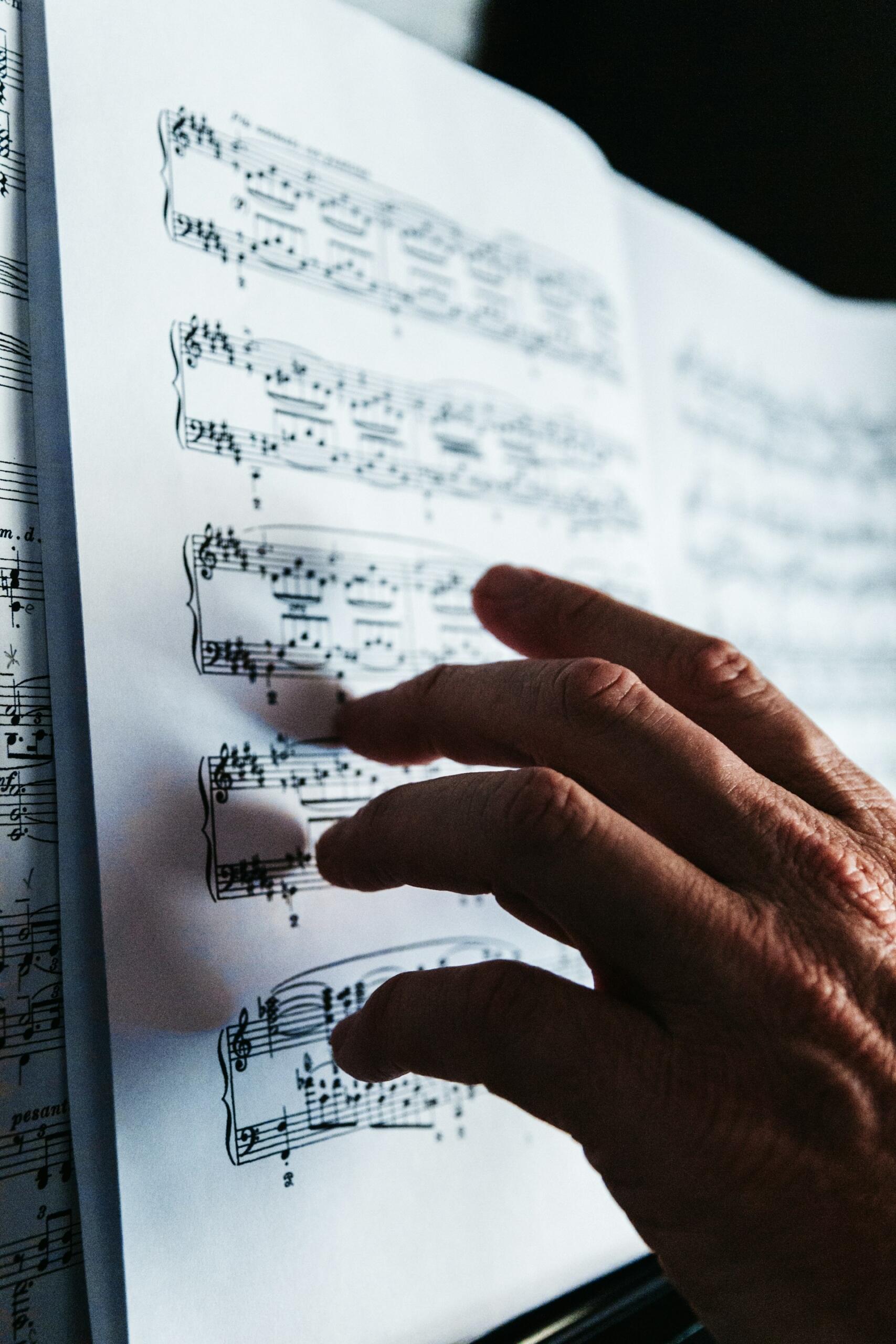
Playing a song once is also different from learning it securely. Reliable intonation, rhythm, tone and bow control take longer to develop than simply getting through the notes.
Beginner Violin Practice Plan for Faster Progress
A 15-minute daily session can provide a useful starting point when each part has a clear purpose. The aim is to combine technical work with repertoire rather than trying to cover every possible skill in every session.
With 30 minutes available, the same structure can be expanded rather than simply adding unrelated exercises.
Example Daily Practice Structure
Start with posture and controlled bow strokes, then spend most of the session working on one technical focus and a small section of your current piece. Finish by repeating something familiar or playing the piece through slowly.
5 min
Posture, bowing and warm-up
7 min
Technical exercise
12 min
Repertoire and difficult passages
6 min
Review and play-through
Keeping a consistent structure makes it easier to notice which skills are improving and which need more attention.
Related Beginner Questions About Learning Violin
The answer to how long does it take to learn the violin depends heavily on what you want to be able to do. Playing a simple melody is an early milestone, while performing advanced repertoire requires substantially more developed technique.
Simple beginner melodies may be achievable within the first few months with regular practice, although the exact timing depends on the piece and the learner.
Around 15 to 30 minutes provides a practical starting point for consistent beginner practice. Longer sessions allow more technical and repertoire work but are not automatically more effective.
Yes, particularly with structured resources and careful practice, although feedback can help identify technical problems that are difficult to recognise independently.
A useful broad estimate is around one to three years of consistent study, depending on practice, instruction and the level of repertoire being attempted.
There are a few extra things to consider regarding the time it takes to play well. You should also consider whether the skills learned from playing the violin match your goals and motivation, or if you would prefer to focus on a different instrument.
How Long Does It Take to Learn the Violin Well Enough to Play Songs?
For straightforward beginner melodies, around one to three months is a reasonable broad estimate for someone practising consistently.
| Stage | What you are working towards |
|---|---|
| First notes | Producing controlled sounds with the bow |
| First melody | Combining notes with a steady rhythm |
| Playing through | Completing a simple piece without frequent stops |
| Improving the song | Refining intonation, tone and musical expression |
More demanding songs can take considerably longer because fast passages, complex rhythms, shifting and expressive bowing introduce additional technical requirements.
Is Violin Harder to Learn Than Other Instruments?
The violin can feel particularly demanding at first because players must control both pitch and sound production directly. There are no piano keys or frets providing a fixed pitch reference, so beginners develop accurate finger placement while simultaneously controlling the bow.
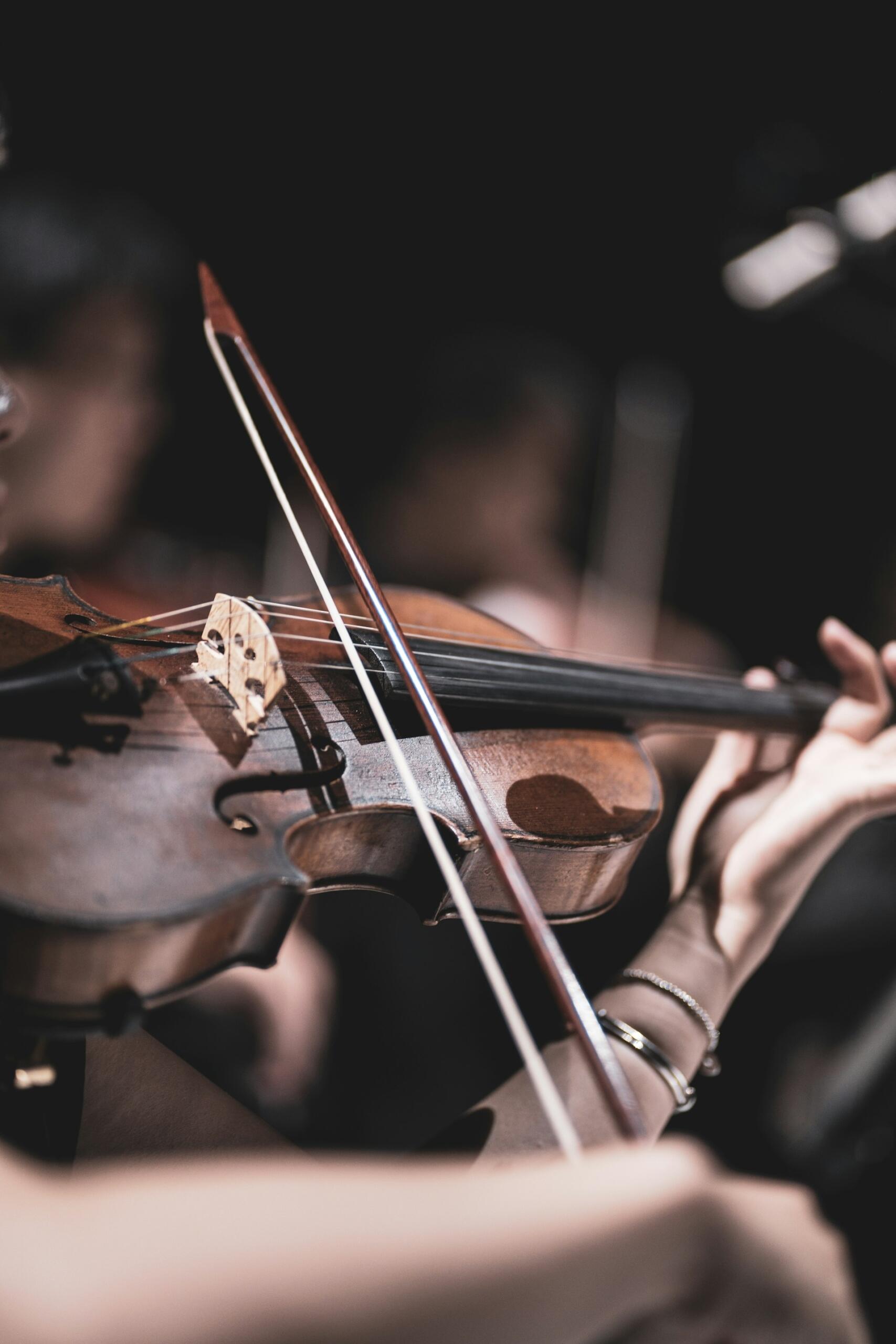
For beginners, how long to learn violin is therefore best understood through practical milestones: producing controlled sounds, playing simple melodies, developing reliable beginner technique and gradually taking on more demanding repertoire.
Whether you’re learning at a music school or teaching yourself, violin lessons near me can help you learn to play music on a daily basis.
References
- Martin, M.E. (2004) ‘14 Steps Toward Improved Intonation on Stringed Instruments’, Strings Magazine, 1 September. Available at: https://stringsmagazine.com/14-steps-toward-improved-intonation/ (Accessed: 30 September 2026).
- Suzuki Association of the Americas (2026) ‘Violin Unit 1’. Available at: https://suzukiassociation.org/event/violin-unit-1-55/ (Accessed: 30 September 2026).
- Suzuki Association of the Americas (2026) ‘Balancing Practice Intensity’. Available at: https://suzukiassociation.org/journalarticle/balancing-practice-intensity/ (Accessed: 30 September 2026).
- Suzuki Association of the Americas (2026) ‘Accelerate Your Playing’. Available at: https://suzukiassociation.org/journalarticle/accelerate-your-playing/ (Accessed: 30 September 2026).
Summarize with AI:
Did you like this article? Leave a rating!

 Loading...

