
Do you want to become fluent in French? Are you thinking about living in Quebec? Discover must-know French phrases for every French student. Unlock conversations and talk confidently with locals in Quebec, France, and beyond! Master essential expressions for everyday situations and impress your friends with your French fluency!





Exploring the Roots of Québécois
French, known as a language for romantics due to its roots primarily in Vulgar Latin, evolved from the Gallo-Romance verbal languages spoken in northern France. But how did the French language arrive in Quebec?
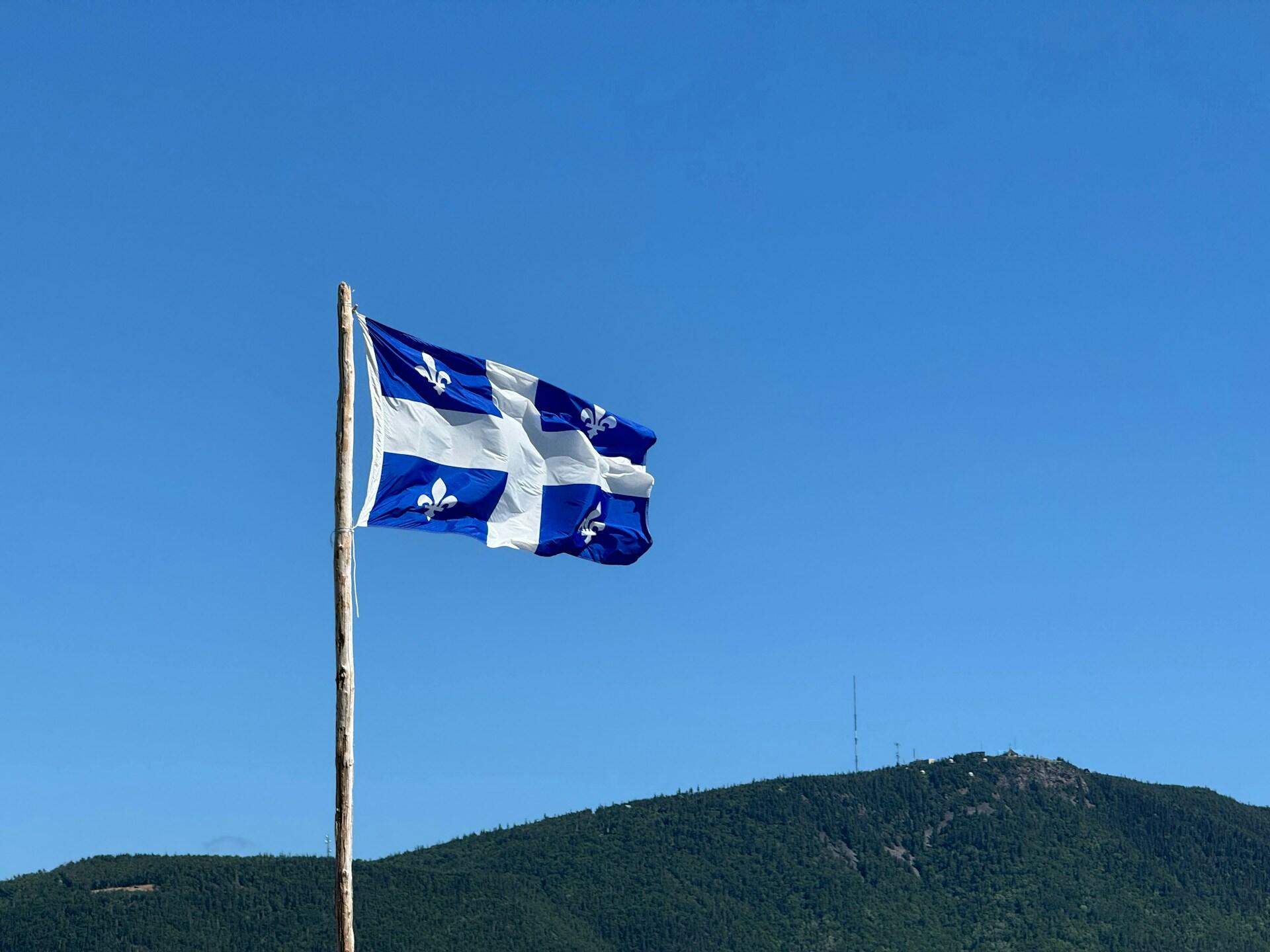
In the early 17th century, the French arrived in Quebec when the explorer Samuel de Champlain founded Quebec City in 1608, making it the capital of New France. It was part of France's plan to expand its empire in the Americas, which resulted in the settlement of French-speaking people in the region.
Isolated from France after the British conquest in 1763, the French-speaking population in Quebec preserved older French linguistic features while developing unique terms and pronunciations influenced by contact with Indigenous languages and English. Over centuries, these influences combined to create Québécois, distinct from European French with its vocabulary, accent, and cultural significance.
Over time, the French language and culture became deeply ingrained in Quebec, shaping its identity and setting it apart from other parts of Canada. Nowadays, over 20% of Canadians speak French as their first official language, and globally, there are over 80 million native speakers!

What Are the French Phrases You Should Know?
When traveling in French-speaking regions, such as Quebec, knowing the correct words can make a big difference in getting by. Mastering the primary French expressions will help you communicate more effectively and enrich your travel experience and interactions with locals.
But before you read on, test your french knowledge with our quiz!
Quiz
Quiz :1. Quebec French Phrases for Greeting
Mastering the art of greeting in Québécois French can improve your interactions and make a positive impression. Whether you are meeting new people, joining a social gathering, or simply navigating daily life in Quebec, using the appropriate phrases to say hello can establish a friendly tone and demonstrate your respect for local culture. Learn some essential Québécois French!
- "Allo" or "Bonjour" (Hello or good morning)
"Bonjour" is considered a more formal greeting in French. Whether you're thinking about the perks of living in Quebec or visiting France, it is essential in greeting a friend at the train station, entering a store, or asking for instructions. Also, it is best to add a title such as Monsieur, Madame, or Mademoiselle at the end.
- "Salut!" (Hi!)
"Salut" is another casual and friendly greeting, meaning "Hi" or "Hello," but used more generally with friends or acquaintances.
- "Comment tu vas?" (How are you going?)
"Comment tu vas?" is another informal greeting, quite similar to "Comment vas-tu?" (How are you? or how are you doing?) in standard French, but with a more conversational tone.
2. Quebec French Expressions for Asking Questions
Effective communication often begins with asking the right questions. Knowing how to phrase your inquiries in Québécois French will improve your interactions. By incorporating local expressions, you can make your questions more natural and engaging when seeking information, directions, or recommendations.
- "Comment ça va?" (How's it going?)
"Comment ça va?" is a friendly and informal way to ask about someone's well-being. It's appropriate for casual and semi-formal interactions and is commonly used to initiate conversation and break the ice.
- "Où est-ce que je peux trouver…?" (Where can I find)
This phrase is essential for asking for specific locations or items. For example, suppose you are searching for a pharmacy, you can say, "Où est-ce que je peux trouver une pharmacie?" This makes it a practical phrase for traveling or daily activities.
- "À quelle heure est…?" (What time is…?)
It is another essential phrase to ask for the timing of events or services. For example, if you want to ask when the last metro is, you can say "À quelle heure est le dernier métro?"
- "Pouvez-vous m'aider avec…?" (Can you help me with…?)
"Pouvez-vous m'aider avec…?" is useful when you require support or information. For example, "Pouvez-vous m'aider avec mon bagage?" allows you to ask for help politely and straightforwardly "Can you help me with my luggage?"
3. Quebec French Phrases for Showing Appreciation
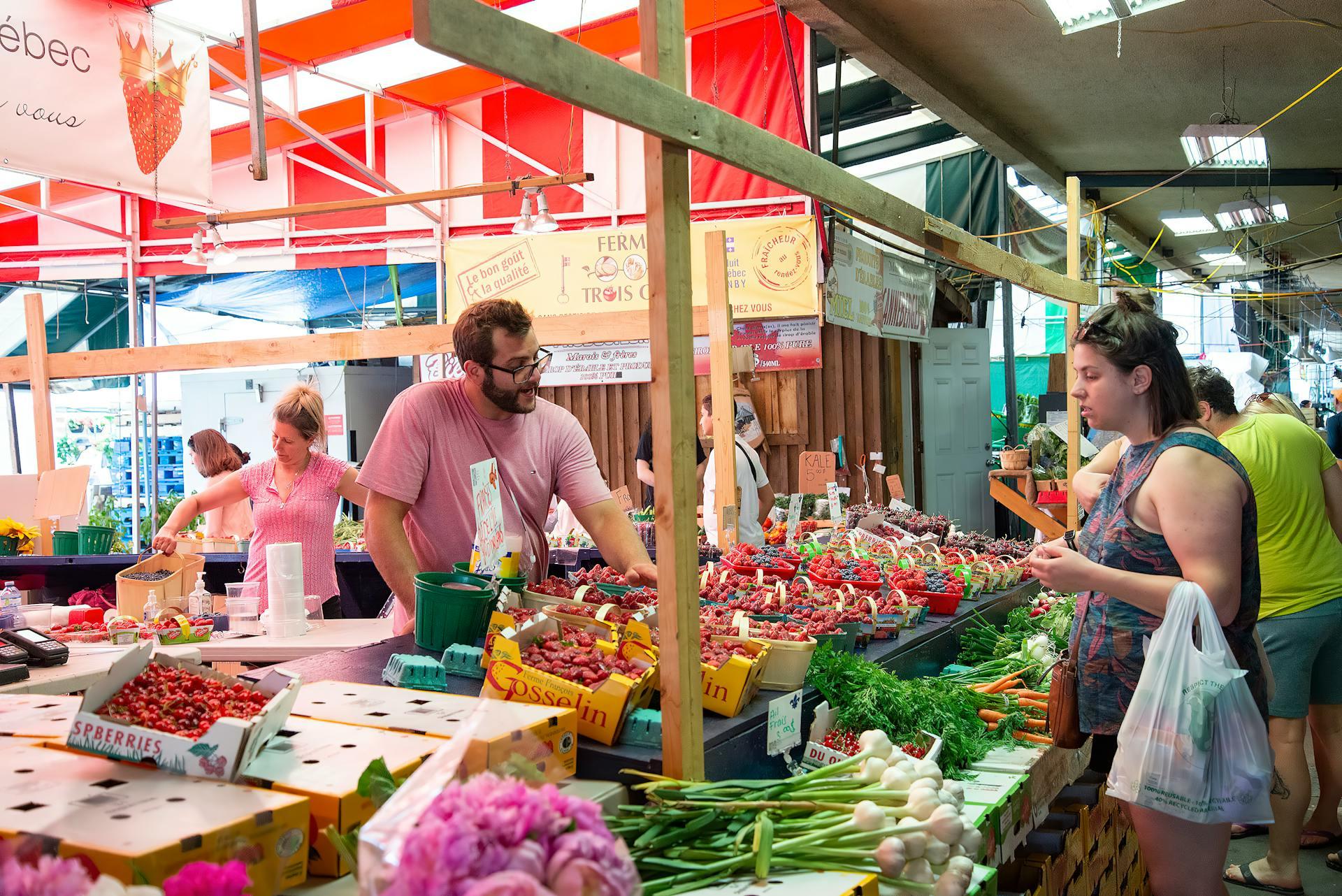
Showing gratitude in Québécois French can strengthen your relationships and create a lasting positive impact. Whether you want to express thanks for assistance, recognize exceptional service, or convey appreciation for local hospitality, using the appropriate phrases can add a personal touch to your conversations.
- "Merci beaucoup!" (Thank you very much!)
This is the best phrase and a versatile way to express gratitude in various situations, whether someone has helped you or given you a gift. It is accepted in a formal or informal setting, but it's most preferred to add a title when using it formally, for example, "Merci beaucoup Monsieur/Madame."
- "C'est très gentil de votre part." (That's very kind of you)
"C'est très gentil de votre part" acknowledges when someone does something kind or generous for you. It is also a polite and thoughtful way to show appreciation for their thoughtfulness and effort and is suitable for various situations, whether they are personal or formal.
- "Merci pour votre aide!" (Thank you for your help!)
This phrase translates to "Thank you for your help!" It is ideal for expressing gratitude when someone has assisted you, such as when a local gave directions or helped you find a metro station. It's a straightforward way to show appreciation for their effort.
4. Quebec French Slang to Impress Locals
Remembering some Québécois French slang can significantly improve your interactions by demonstrating your understanding of local culture. Learning regional expressions and colloquialisms makes your conversations more genuine and shows your willingness to connect more deeply with Quebec locals. You are closer to being eloquent in French than you think!
- "C'est le fun!" (It's fun!)
It can translate to "It's fun!" or "It's great!" and express enthusiasm. French speakers from Quebec will be impressed by your familiarity with this informal expression, commonly used to convey something enjoyable.
- "Je suis tanné(e)!" (I'm fed up!)
It means "I'm fed up!" or "I'm tired of it!" The word "tanné" in Quebec is slang that conveys frustration or boredom with a situation. By using this expression, you can show familiarity with local French, adding a touch of authenticity to your interactions.
- "C’est de la bombe!" (It's awesome!)
It describes something impressive. "C'est de la bombe!" is a cool way to demonstrate your connection to current culture and terms. It's a great way to show that you're up-to-date and engaged with the latest trends.
- "Ça roule!" (It's going well!)
Also, meaning "Everything's cool!" this phrase is a casual way to indicate that things are going smoothly. It is frequently utilized in Quebec and imparts a casual, friendly conversation tone.

5. Survival Quebecois French Expressions
- "Je ne parle pas très bien le français. Pouvez-vous parler plus lentement, s'il vous plaît?" (I don't speak French very well. Can you speak more slowly, please?)
Use this phrase when you need someone to slow down their speech to help you understand better. It is a polite way of asking for help in a conversation, letting the person you are talking to know that your level of French is a beginner.
- "Je ne comprends pas. Pouvez-vous répéter, s'il vous plaît?" (I don't understand. Can you repeat, please?)
When you have difficulty understanding something when conversing with a native French speaker, this phrase can help ask them to repeat what they have said to make it more straightforward.
- "Est-ce que vous acceptez les cartes de crédit?" (Do you accept credit cards?)
Remembering this term when shopping or dining out will allow you to inquire about payment options before making a purchase, helping you make an informed decision.
- "Comment puis-je me rendre à [l'aéroport / la gare / le centre-ville]?" (How can I get to [the airport / the train station / downtown]?)
Use this phrase to ask for directions to major transportation hubs or essential locations in the city. This way, you can avoid wasting time or getting lost in the city.
- "Y a-t-il des services en anglais ici?" (Are there services in English here?)
Remember this phrase, as it can help you determine if the place or service you are interacting with offers help in English. It can be handy if you are still learning French or need to do necessary paperwork.
Familiarity with these expressions shows your grasp of local language nuances and fosters connections with Québécois speakers. It enriches your interactions with a genuine curiosity to learn the language. Are you ready to visit Quebec? Explore the best places to visit in Quebec!
Wrap Up!
Mastering Québec French goes beyond greeting others or asking for directions; it's about integrating into a community and living this immersion to the fullest. By familiarizing yourself with these essential terms, you will improve your experience of living in or visiting Quebec. Open up the Canadian adventure and let your new skills guide you through the diverse world of Québec French.
Ready to dive in? Explore Quebec and enjoy the linguistic and cultural adventures that await you with the best French tutoring in Canada with Superprof: Get started with French!

Summarize with AI:
Did you like this article? Leave a rating!


 Loading...