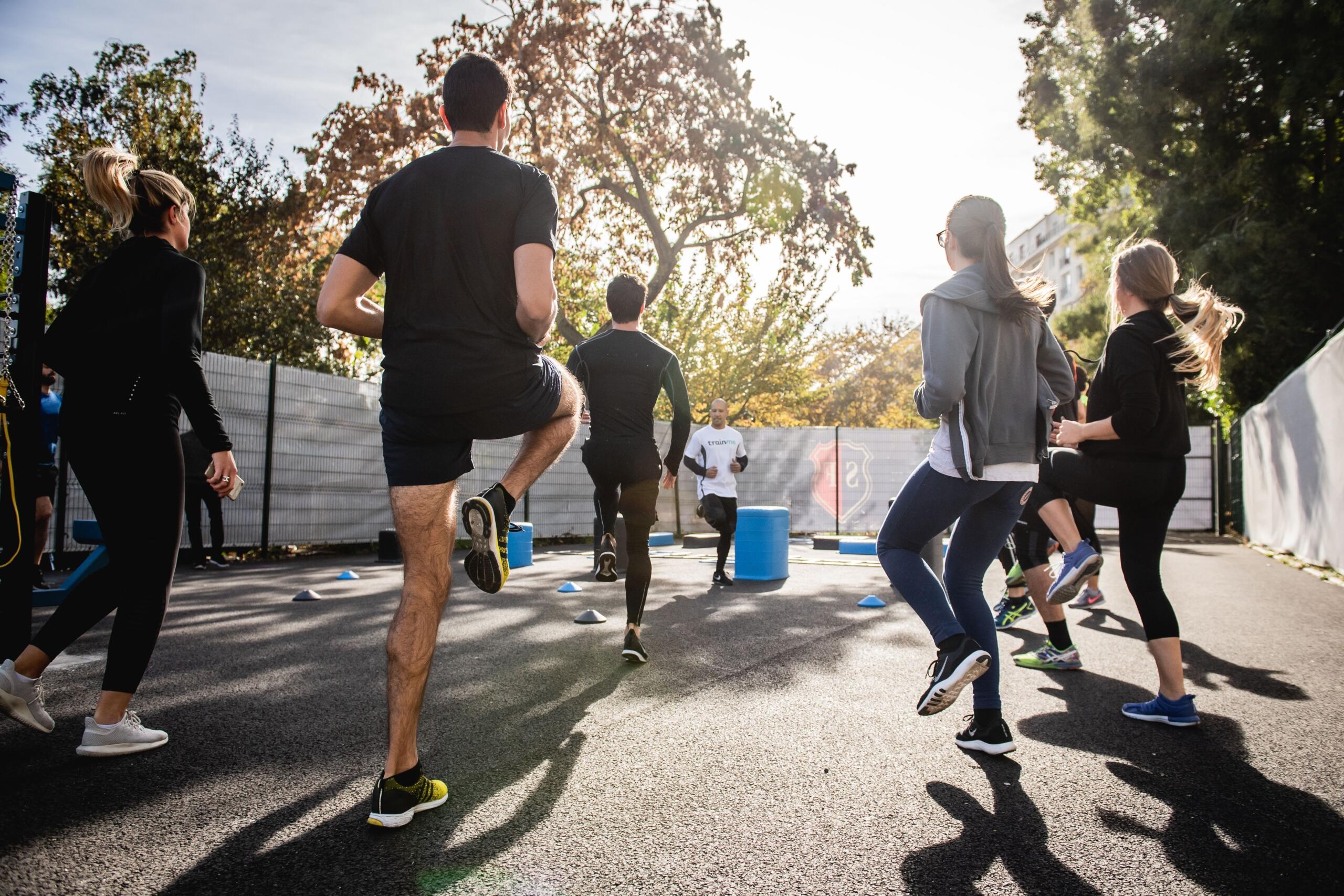

Are you a runner looking to add strength without logging more kilometres, a cyclist hoping to improve power, or simply someone who wants a more balanced fitness routine? Cross-training could be the missing piece in your workout plan.
At its simplest, cross-training means combining different forms of exercise rather than relying on one activity alone. A runner might swap an easy run for cycling, a swimmer could add strength training, or a regular gym-goer might combine weightlifting with rowing, yoga or hiking. This variety develops different muscle groups and movement patterns, creating a more well-rounded approach to fitness.
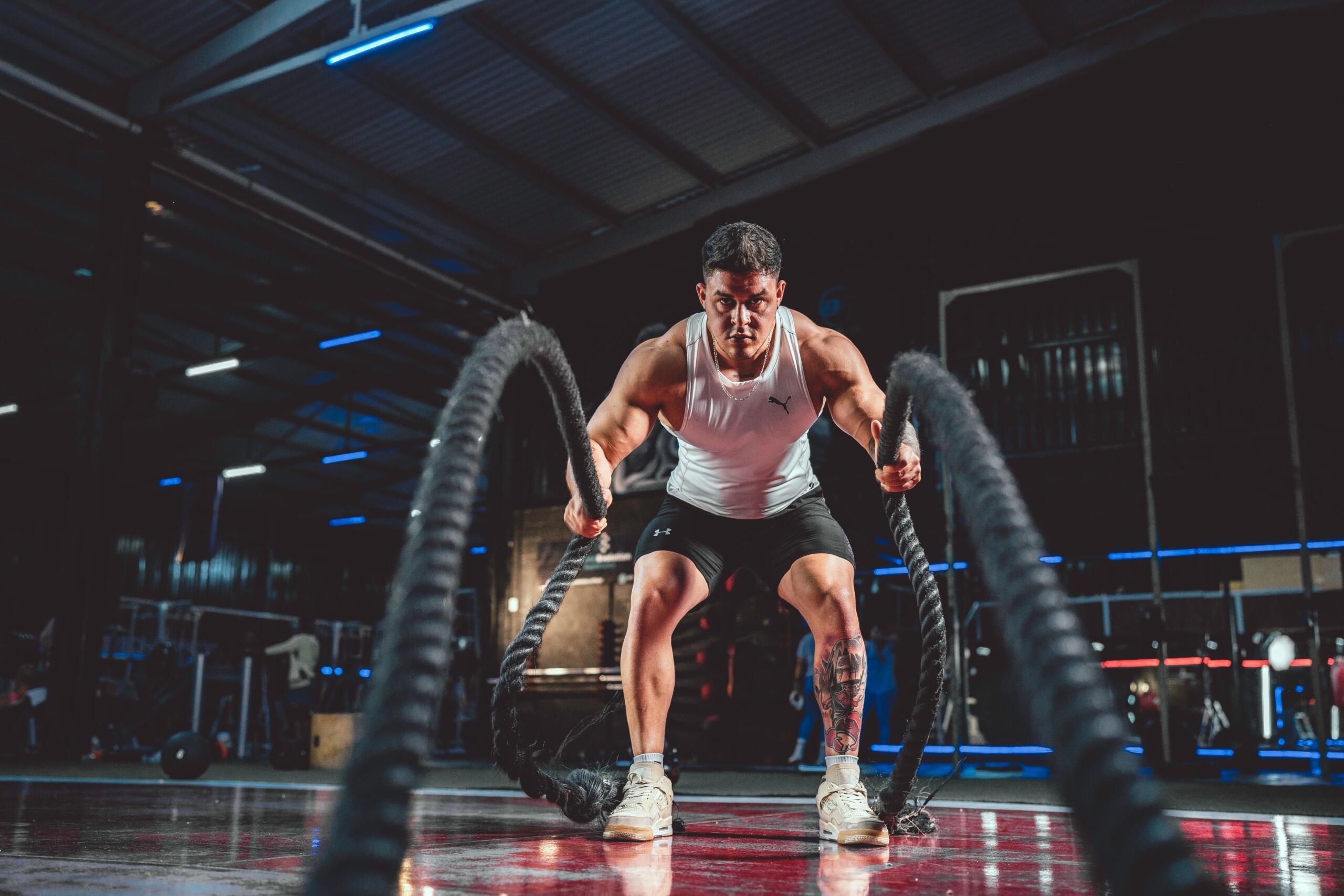
The benefits go beyond simply adding variety to your workouts. Cross-training can help build strength and endurance, improve cardiovascular fitness, increase mobility and coordination, and support recovery between harder training sessions. It can also reduce the repetitive strain associated with performing the same movements over and over, which often happens to athletes who spend much of their training time running, cycling, swimming, or practising one sport.
This guide is all about cross-training: find out if its the workout for you!


What is Cross-Training?
Cross-training is a fitness strategy that combines multiple types of exercise into one training routine. Rather than focusing on a single activity, it mixes cardiovascular workouts, strength training, flexibility exercises, and recovery sessions to improve overall performance, reduce overuse injuries, and keep workouts interesting.
Whatever your training or fitness goals are, adding one or two cross-training sessions each week can create a more balanced and effective fitness program.
| Training Style | Category | Primary Focus | Key Benefits | Injury Risk Level | Est Calorie Burn (hr) | Equipment Needed | Adaptability / Scalability | Ideal For |
|---|---|---|---|---|---|---|---|---|
| Cross-Training | Hybrid / Multidisciplinary | Overall functional fitness, versatility, varied skill sets, balanced strength & cardio | Reduces overuse injury risk, breaks plateaus, prevents workout boredom, targets multiple energy systems | Low to Moderate | 450 - 700 kcal | Varies (Dumbbells, resistance bands, cardio machines, bodyweight) | Very High | Athletes seeking well-rounded fitness, endurance athletes in off-season, general fitness enthusiasts |
| Traditional Weightlifting / Powerlifting | Strength & Hypertrophy | Maximal muscular strength, hypertrophy (muscle growth), absolute power output | High muscle hypertrophy, increased bone density, progressive overload mastery, strength gains | Moderate | 300 - 450 kcal | Barbells, weight plates, squat racks, benches | Moderate | Bodybuilders, powerlifters, strength athletes, muscle gain goals |
| Pure Endurance Training (Running / Cycling) | Cardiovascular Endurance | Aerobic capacity, stamina, steady-state cardiovascular performance | Exceptional heart and lung health, high calorie expenditure during long sessions, mental endurance | Moderate to High (Overuse injuries like shin splints, runner's knee) | 500 - 800 kcal | Running shoes, bicycle, or cardio machine | Moderate | Marathoners, triathletes, cyclists, long-distance endurance competitors |
| High-Intensity Interval Training (HIIT) | Cardiovascular & Anaerobic Power | Rapid heart rate spikes, EPOC (afterburn effect), maximal effort in short bursts | Time-efficient fat loss, improved anaerobic capacity, high metabolic rate boost post-workout | Moderate to High (High strain on joints and CNS if overdone) | 500 - 750 kcal | Minimal to Moderate (Kettlebells, bodyweight, rowers) | High | Busy individuals, fat loss goals, rapid conditioning |
| Calisthenics / Bodyweight Fitness | Relative Strength & Body Control | Relative strength-to-weight ratio, body control, core stability, balance | High mobility, exceptional core control, zero/minimal equipment needed, joint-friendly mastery | Low to Moderate | 350 - 500 kcal | Pull-up bar, dip bars, gymnast rings, floor space | High | Home exercisers, gymnasts, movement quality focus |
| CrossFit | High-Intensity Functional Fitness | Work capacity across broad time and modal domains (olympic lifting, gymnastics, cardio) | High functional power, competitive group environment, intense metabolic conditioning | Moderate to High (Under fatigue/poor form) | 500 - 800 kcal | Barbells, bumper plates, rings, kettlebells, rowers, medicine balls | High | Competitive athletes, group fitness enthusiasts, high-intensity seekers |
| Pilates & Yoga | Flexibility, Mobility & Core | Core strength, active mobility, alignment, breath control, recovery | Injury prevention, improved posture, stress reduction, joint stability, active recovery | Low | 180 - 350 kcal | Yoga mat, reformer (optional), yoga blocks, straps | Very High | Active recovery, rehabilitation, flexibility, mindfulness, posture improvement |
Benefits of Cross Training
One of the greatest advantages of cross-training is that it improves nearly every aspect of physical fitness. Instead of repeatedly performing the same movements, you challenge your body in new ways, encouraging balanced development and reducing the likelihood of overuse injuries.
🦴 Injury Prevention
Repeating the same movements day after day places continual stress on the same muscles, tendons, and joints. For example, frequent runners repeatedly impact their knees and ankles; cyclists rely heavily on the quadriceps and hip flexors.
A massive 30-year study found that individuals who mixed up their exercise regimens using a variety of aerobic activities were 19% less likely to die of any cause compared to single-sport exercisers
Cross-training gives these areas an opportunity to recover while maintaining your overall fitness. Replacing one weekly run with swimming, rowing, or cycling can significantly reduce joint impact while preserving cardiovascular conditioning. Likewise, adding strength training helps improve muscular balance, making your body more resilient to injury.
🏃 Enhanced Athletic Performance
Cross-training develops physical qualities that your primary activity may overlook. For example, runners can improve leg power through resistance training, while cyclists can build upper-body strength for better bike control.
Developing multiple fitness components creates more complete athletes capable of performing efficiently in a wide range of activities. Instead of becoming highly specialized in one movement pattern, your body becomes stronger, more coordinated, and more adaptable.
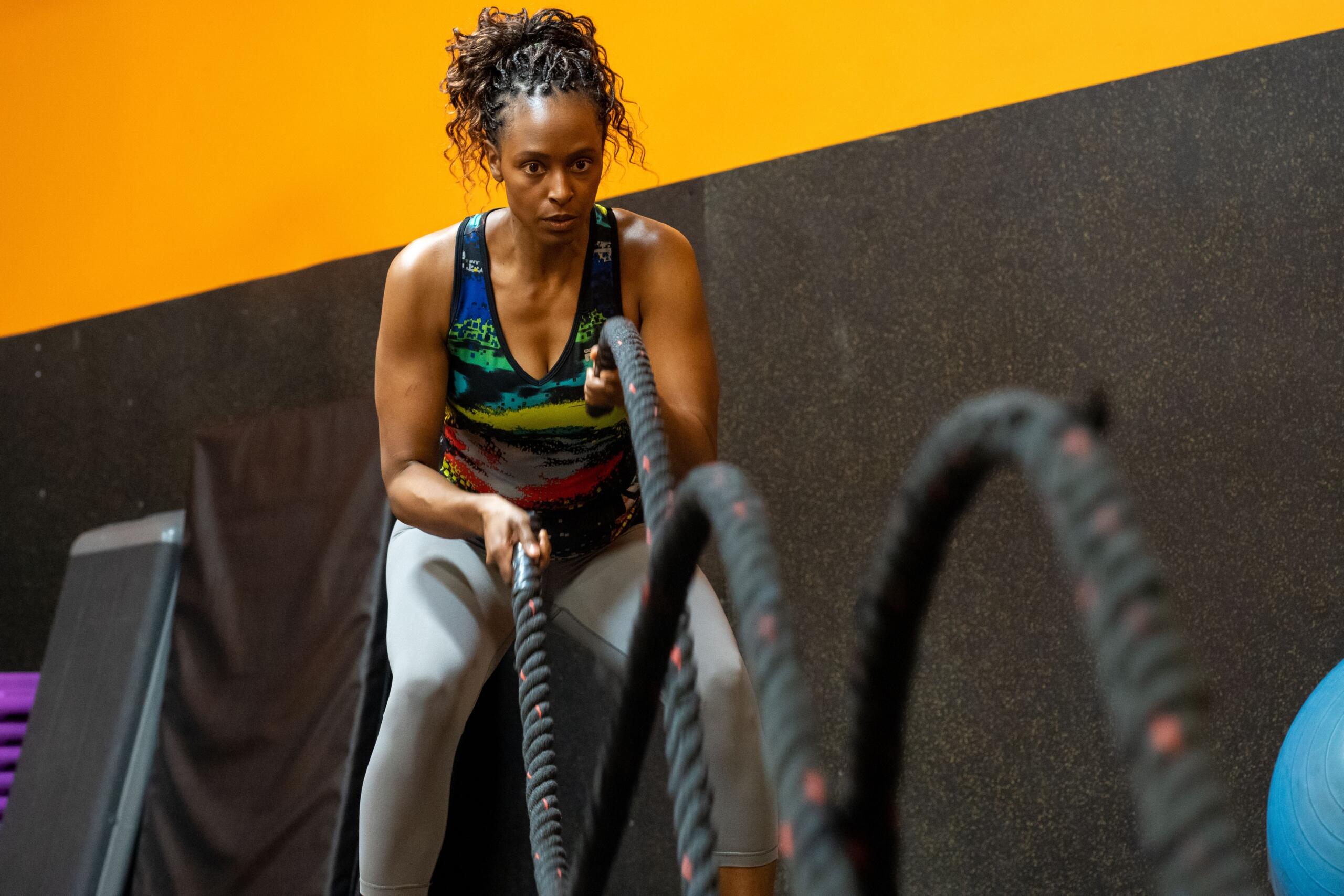
❤️ Better Cardiovascular Fitness
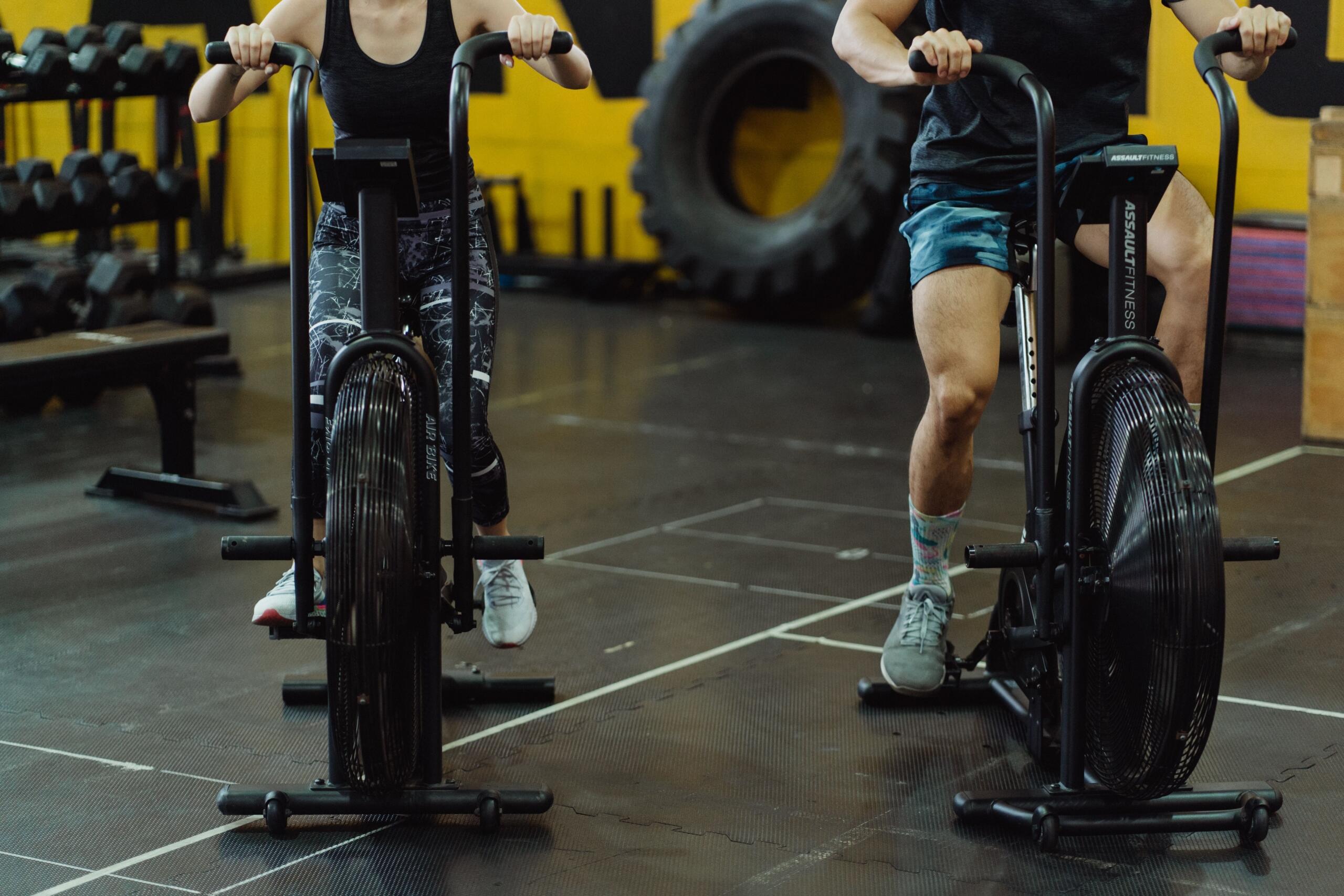
One misconception is that improving endurance requires only more running. In reality, cardiovascular fitness can be developed through many different forms of exercise. Excellent cross-training activities include cycling, swimming, rowing, boxing hiking, and stair climbing.
These exercises challenge your heart and lungs while reducing repetitive impact on your joints. Alternating between different cardio workouts also helps prevent training plateaus by continually exposing your body to new demands.
💪 Builds Total-Body Strength
Many endurance athletes focus primarily on cardiovascular training while neglecting muscular strength. Cross-training corrects this imbalance by incorporating exercises that strengthen the entire body.
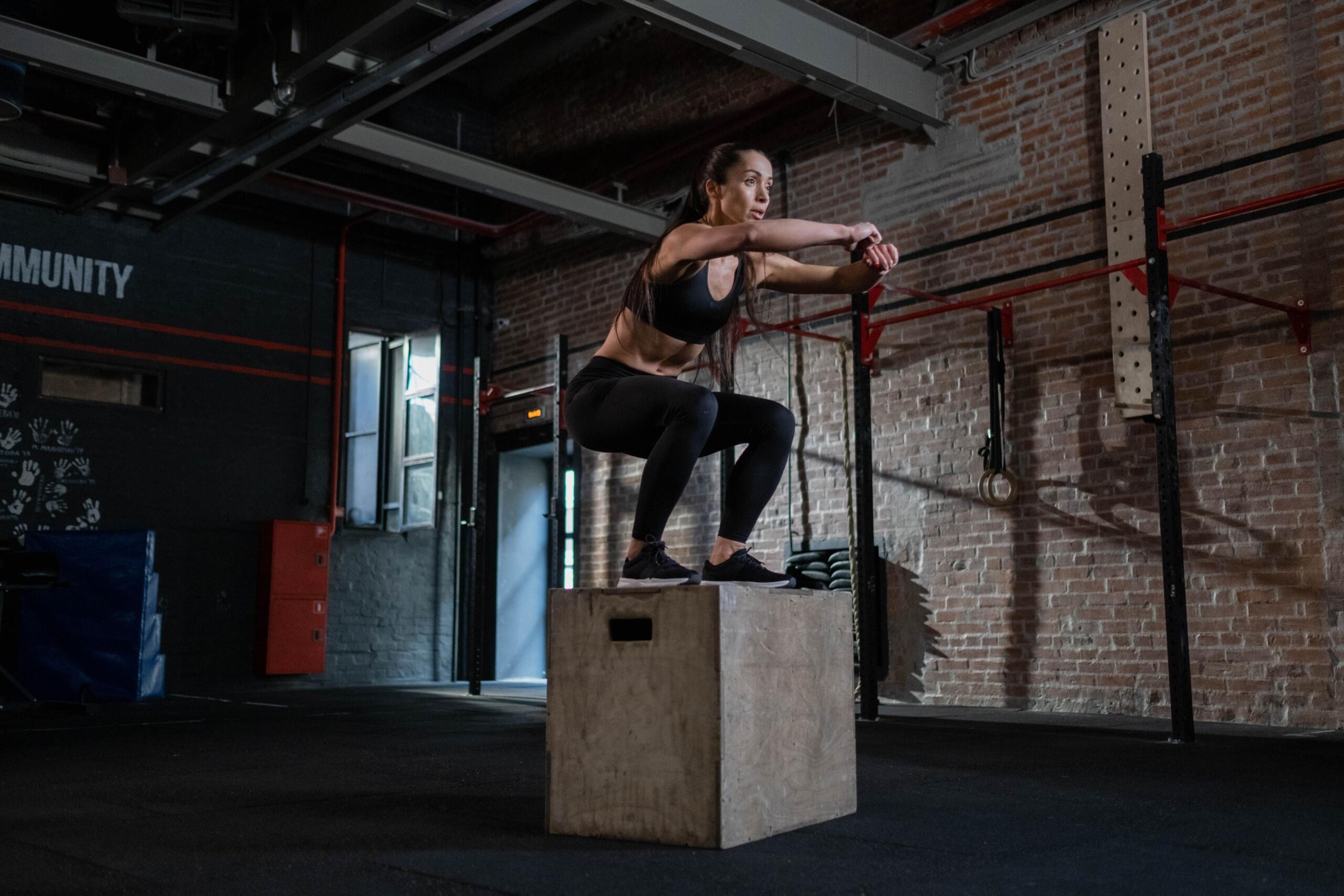
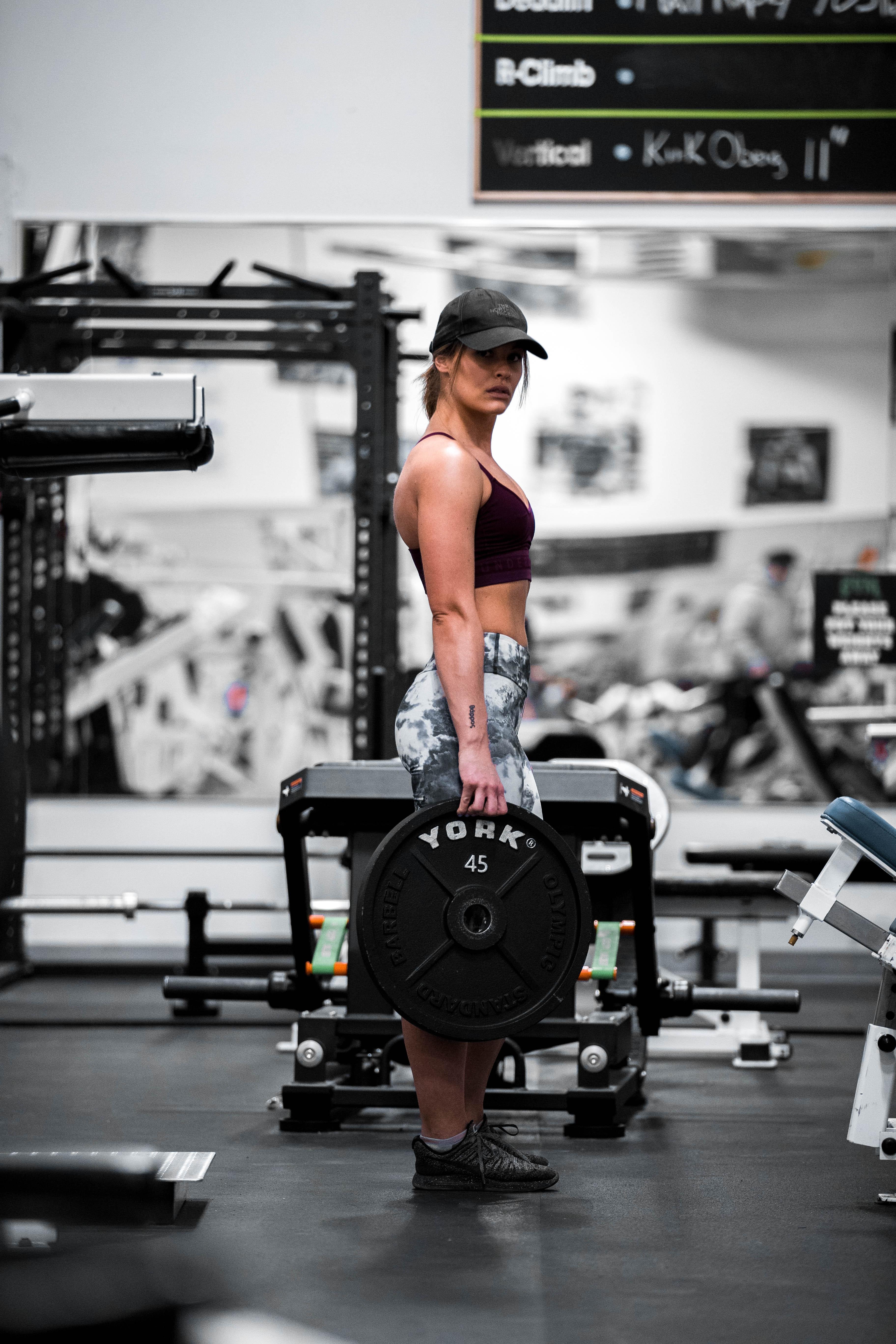
A balanced strength program should include squats, deadlifts, push-ups, pull-ups, lunches, farmer carries, and medicine ball exercises. Building stronger muscles not only improves performance but also enhances posture, balance, stability, and everyday functional movement.
🧘 Improved Flexibility and Mobility
Mobility often receives less attention than strength or endurance, yet it plays a major role in athletic performance.
The mind when housed within a healthful body, possess a glorious sense of power.
Joseph Pilates
Activities like Yoga, Pilates, and dynamic stretching help improve joint range of motion while reducing muscular stiffness. Greater flexibility can improve movement efficiency, reduce injury risk, and accelerate recovery after demanding workouts.
😊 Increased Motivation
Performing the same workout every day eventually becomes repetitive. Cross-training keeps exercise enjoyable by introducing variety into your weekly routine. Instead of completing five identical runs each week, you might include one trail run, one cycling session, one strength workout, a yoga class, and an interval workout
This variety not only keeps training mentally stimulating but also challenges your body in new ways. Many people discover they remain more consistent because every session feels different.
🌿 Supports Long-Term Health
Cross-training isn't just for competitive athletes. Regular participation supports heart health, bone density, healthy body composition, balance, coordination, and mental well-being.
Combining aerobic exercise with resistance training and flexibility work creates one of the most effective long-term approaches to maintaining physical health. Even individuals who don't compete in sports can benefit from a balanced weekly routine that includes multiple forms of movement.
How to Get Started with Cross-Training
One of the biggest advantages of cross-training is its flexibility. Whether you're training for a marathon, improving your general fitness, or preparing for a specific sport, you can tailor your routine to match your goals. The key is choosing activities that complement your primary training.
Beginners interested in cross-training can have a lot of questions, but the more commonly asked question is where to start? There are going to be a few approaches to cross-training you can use. Even things like equipment are all going to play a factor. Here's how to start.
One of the strengths of cross-training is the variety of available exercises. Rotating different activities keeps workouts enjoyable while challenging your body in new ways.
Cross-Training for Specific Athletes
Different sports place unique demands on the body. Cross-training fills in the gaps by strengthening muscles and movement patterns that may not receive enough attention during regular training.
| Athlete | Why Cross-Train? | Recommended Activities | Key Benefits |
|---|---|---|---|
| 🏃 Runners | Running builds cardiovascular endurance but places repeated stress on the knees, ankles, hips, and lower legs. | Low-impact cardio: Cycling, swimming, rowing, elliptical training Strength exercises: Single-leg squats, lunges, glute bridges, core strengthening, balance drills | Reduces joint impact, improves stability, lowers injury risk, and maintains efficient running form. |
| 🚴 Cyclists | Cycling develops excellent leg endurance but can neglect upper-body strength and flexibility. | Strength exercises: Squats, deadlifts, pull-ups, push-ups, planks, shoulder mobility drills Additional cardio: Running or rowing | Increases climbing power, sprint performance, bike handling, posture, and injury prevention. |
| 🏊 Swimmers | Swimming provides excellent cardiovascular fitness, but additional training improves strength and movement efficiency. | Yoga, Pilates, resistance training, medicine ball exercises, mobility workAdditional cardio: Running or rowing | Improves core stability, shoulder health, flexibility, and helps prevent repetitive shoulder injuries. |
| ⚽ Team Sport Athletes | Sports such as soccer, basketball, hockey, and volleyball require speed, power, agility, and endurance. | Sprint intervals, plyometrics, agility ladder drills, kettlebell workouts, functional strength exercises, balance training | Develops well-rounded athleticism, improves sport performance, and reduces injury risk throughout the season. |
If you are looking for equipment buying fitness equipment second-hand will save you a lot of money. Sites like Kijiji, are a good place to start looking. You can also check this article out for a guide on home gyms.
Cross-Training vs. CrossFit
Although the names sound similar, cross-training and CrossFit are not the same.
Cross-training is a broad fitness strategy that combines different forms of exercise to improve overall performance. There are no specific rules or required workouts: you simply select activities that complement your primary training goals.
CrossFit, on the other hand, is a branded fitness program built around high-intensity functional movements. Workouts are typically performed in affiliated gyms and follow structured programming that often combines weightlifting, gymnastics, and cardiovascular exercises.
Cross-Training
General fitness approach
Combines many activities
Can be customized
Suitable for all sports
Flexible schedule
Cross-Fit
Structured branded fitness program
Follows programmed daily workouts (WODs)
Standardized coaching and methodology
Focused on functional high-intensity training
Typically completed in group classes
Neither approach is better than the other—they simply serve different purposes. In fact, many people who participate in CrossFit also use cross-training principles by adding activities such as swimming, trail running, hiking, or yoga to support recovery and improve overall athletic performance.
Tips for Effective Cross-Training
Adding variety to your workout routine is only effective if your training remains balanced. The goal of cross-training is to improve overall fitness, not simply add more exercise. These practical tips will help you get the most from your cross-training program while reducing the risk of injury and burnout.
👂 Listen to Your Body
Your body provides valuable feedback during training. Pay attention to signs such as:
- Persistent soreness
- Joint pain
- Poor sleep
- Declining performance
- Constant fatigue
These may indicate that you need additional recovery rather than another workout. It's perfectly acceptable to replace a high-intensity session with light mobility work, walking, or stretching. Remember that recovery is when your muscles adapt and become stronger.
📅 Maintain Consistency
Cross-training produces the best results when performed regularly. Rather than completing several sessions one week and none the next, aim to include one or two cross-training workouts each week.
Small improvements made over months often lead to much greater long-term progress than occasional intense training blocks.
🎯 Match Workouts to Your Goals
Every exercise should support your primary objective. For example:
- Marathon runners should emphasize low-impact cardio and strength training.
- Cyclists may benefit from resistance training and mobility exercises.
- Recreational exercisers can combine cardio, strength, and flexibility for balanced fitness.
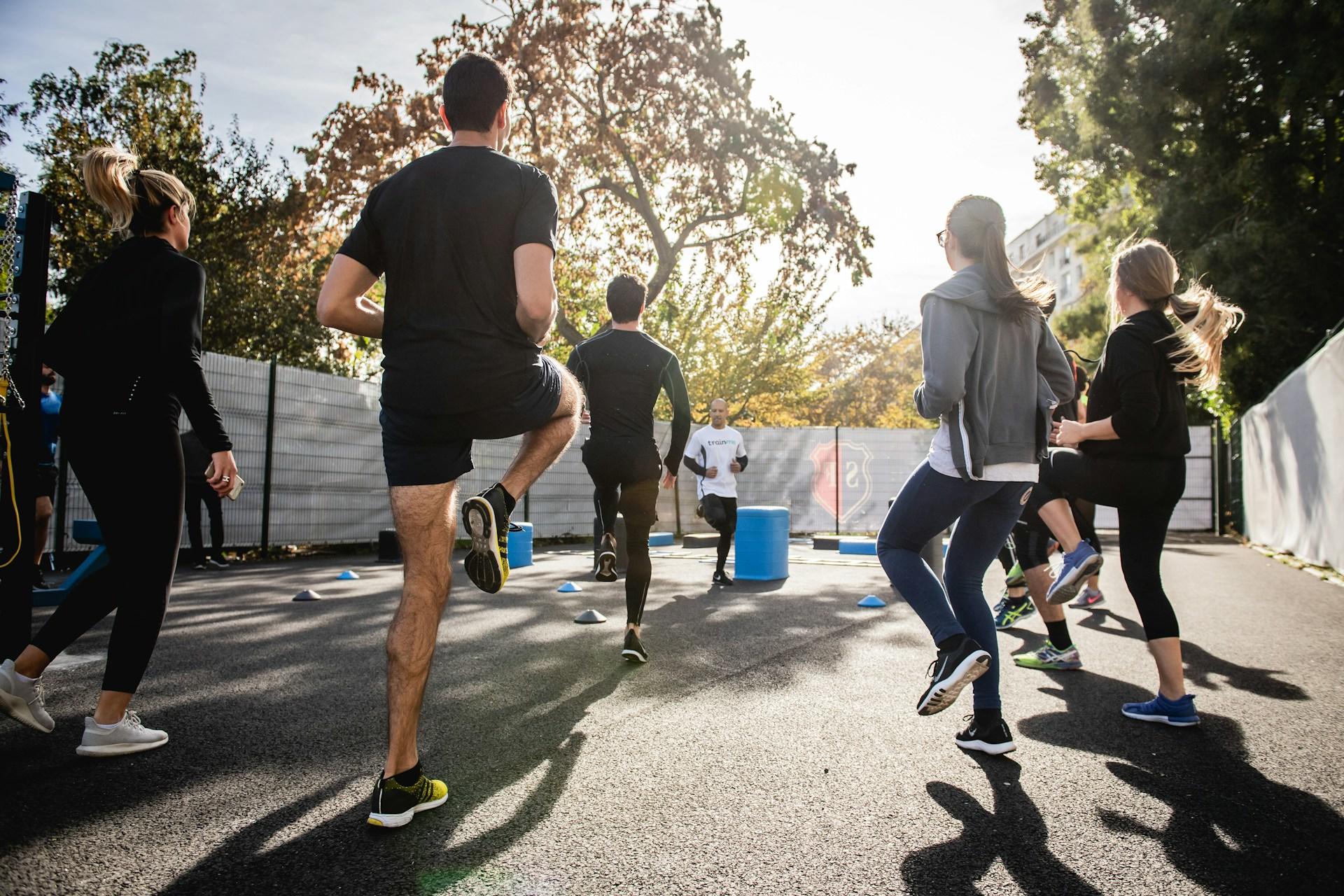
- Team sport athletes often improve performance through agility drills and plyometrics.
Choosing complementary activities makes every workout more productive.
👨🏫 Seek Professional Guidance
If you're new to strength training or unfamiliar exercises, consider working with a qualified coach or personal trainer. Professional instruction can help you: learn proper technique, build an effective routine, avoid common mistakes, and progress safely. Even a few coaching sessions can improve confidence and reduce the risk of injury.
Potential Drawbacks and Considerations
Although cross-training offers many benefits, there are a few important considerations. Understanding these challenges will help you train more effectively.
⚠️ Overtraining
One of the biggest mistakes people make is adding cross-training without reducing their existing workload.
More exercise isn't always better. Without adequate recovery, overtraining can lead to fatigue, reduced performance, increased injury risk, loss of motivation, and poor sleep. Balance is essential.
To avoid doing too much, treat cross-training as part of your overall training plan rather than an extra workout. Replace some existing sessions with lower-impact activities, schedule regular rest days, and alternate challenging workouts with easier recovery sessions. Gradually increasing your training load gives your body time to adapt while helping you maintain consistent progress.
📚 Learning New Skills
Some activities, like weight lifting, rowing, and pilates require technical instruction. Learning proper form takes time, but investing in technique improves both safety and long-term results.
🕒 Time Commitment
Adding new workouts requires planning. If your schedule is already full, focus on quality rather than quantity. Even replacing one weekly workout with a different activity can provide noticeable benefits.
Remember that cross-training should enhance your routine, not overwhelm it.
🎯 Stay Goal Focused
Cross-training works best when each session has a purpose. Avoid adding random workouts simply because they seem challenging. Instead, ask: does this improve my primary sport? Does it strengthen a weakness? Will it improve recovery?Does it support my long-term fitness goals?
Keeping these questions in mind helps create a more effective training program.
The Cost of Cross-Training
Cost is going to be a factor for any workout, including cross-training. There are going to be a few factors that determine the cost of cross-training and that comes down to equipment and gym memberships. As we mentioned above cross-training can be done with no equipment, you just need yourself and open space. Having equipment can be beneficial to help you train, but again it's not needed.
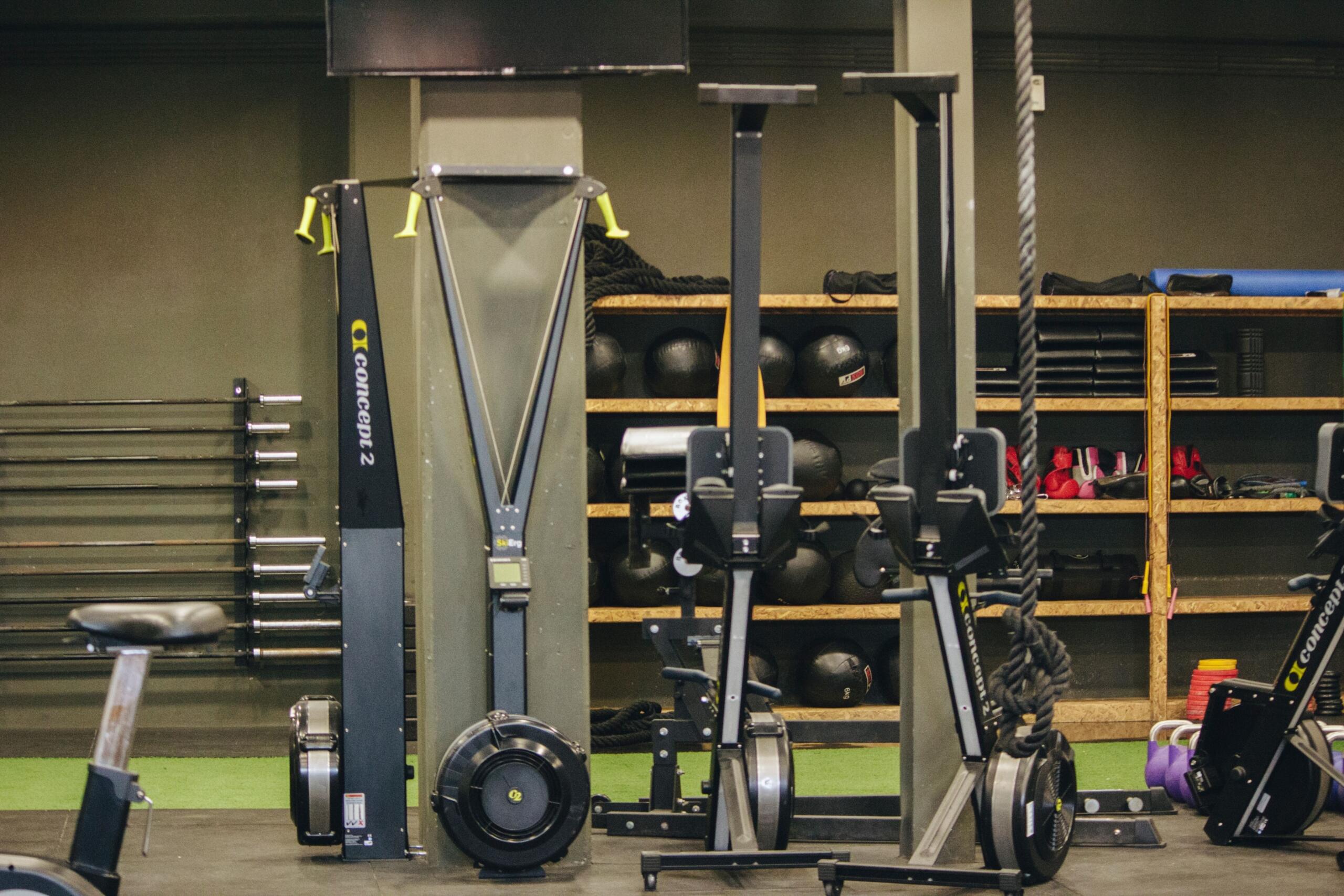
Gym memberships can be as cheap as you want to or as expensive as you want. With gym memberships, you do get what you pay for. At any gym, you’ll be able to follow cross-training principles. However, CrossFit gyms are designed for this style of workouts. They'll have everything you need to start cross-training and you’ll get to work out with other people and under a coach. CrossFit gym memberships can be upwards of 100 dollars a month, but you get a lot of value.
Start Cross-Training Today
Everyone can benefit from cross-training. As we mentioned cross-training can be incorporated into any fitness program. It can improve performance, be injury-free and stay keep your workouts fresh. Whether you're a beginner or an experienced lifter you can still benefit from cross-training.
You just need to make that first step and start cross-training. If you are worried about getting started or are looking for accountability you can always hire a personal trainer. They'll be with you every step of the way to make sure you meet your goals. Start experiencing the benefits of cross-training today.
References
- Wong, Carissa. “Cross-Training May Be the Key to a Long Life.” New Scientist, 24 Jan. 2026, https://www.newscientist.com/article/2512447-cross-training-may-be-the-key-to-a-long-life/. Accessed 6 Aug. 2026.
- Canadian Society for Exercise Physiology. Canadian 24-Hour Movement Guidelines. Canadian Society for Exercise Physiology, https://csep.ca/. Accessed 4 Aug. 2026.
- World Health Organization. Physical Activity. World Health Organization, https://www.who.int/news-room/fact-sheets/detail/physical-activity. Accessed 4 Aug. 2026.
Summarize with AI:
Did you like this article? Leave a rating!


 Loading...