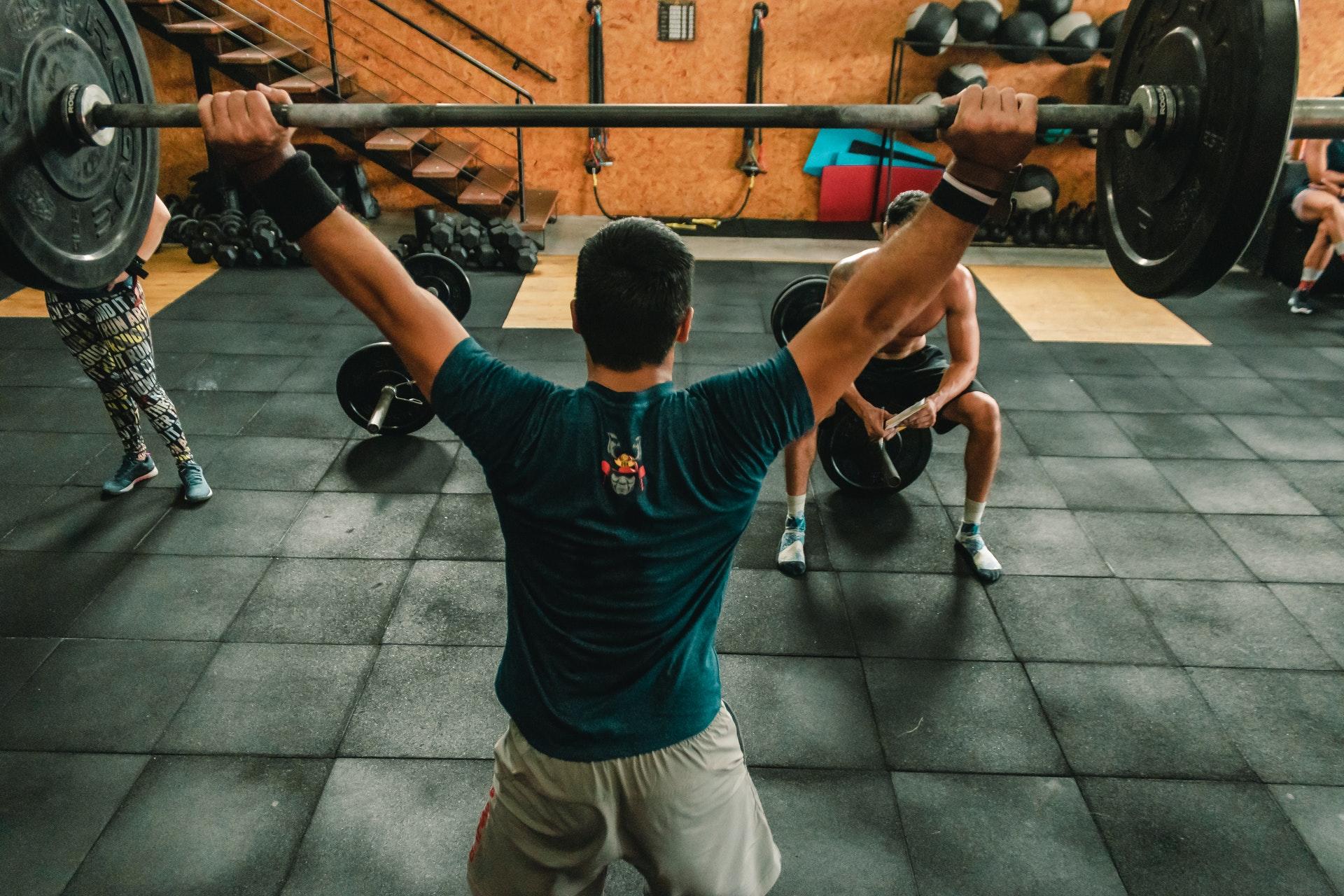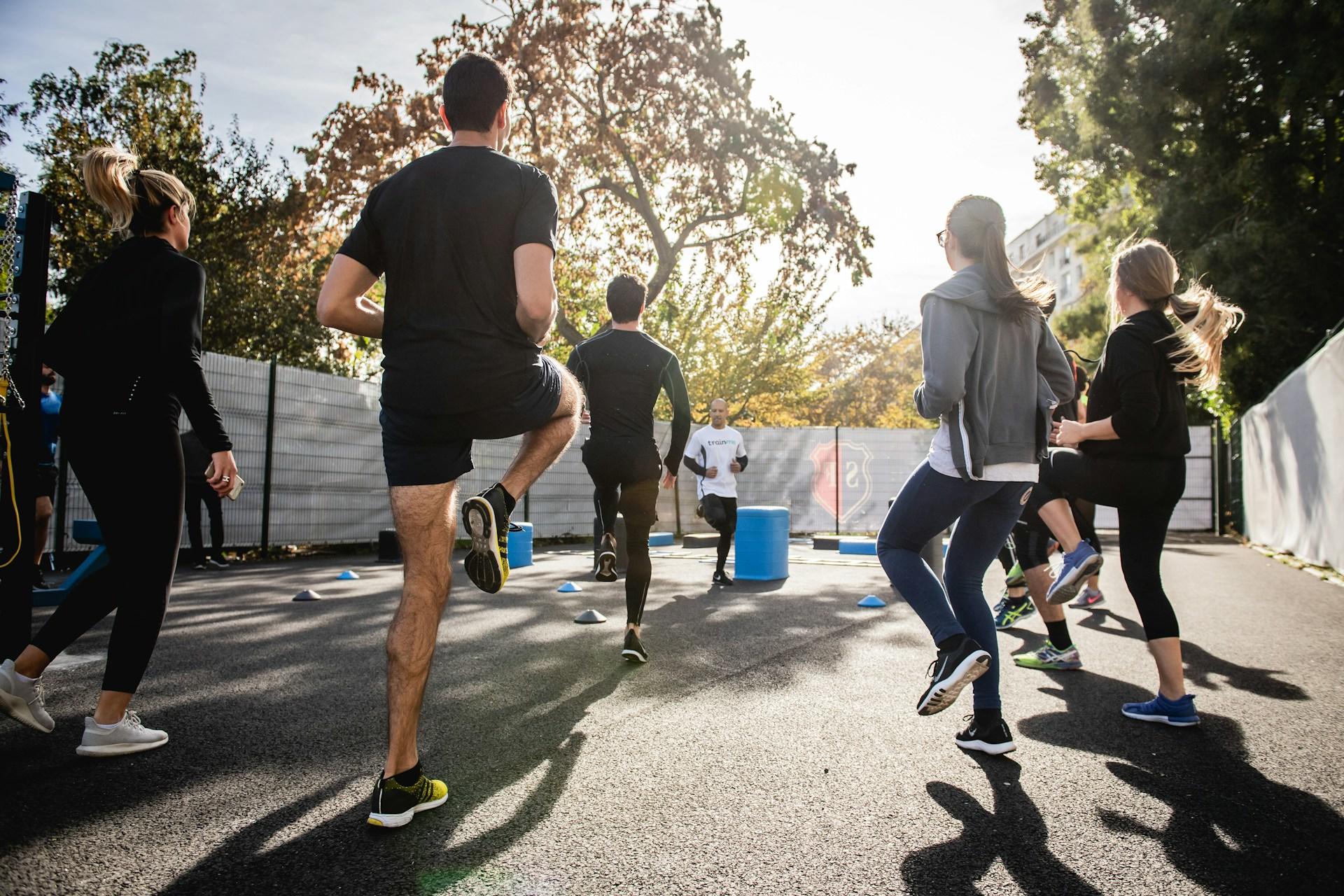

Many people often associate good fitness levels with gym attendance and various machines. Anyone who has ever tried calisthenics will tell you that it's not really the case.
At its core, calisthenics is a strength training workout that advocates minimalism and self-regulation. It depends on your body weight to create resistance to cultivate strength and muscular endurance. 1
In this article, we will explore the ways to come up with an effective calisthenics workout routine without using gym equipment to reap the benefits of mastering various workouts.


⚡ Forming a Simple and Good Calisthenics Workout Routine
A good calisthenics workout routine should be based on a few things.
First, there needs to be a clear frequency. Beginners are highly recommended to have structured weekly training to build familiarity and consistency with the basic movements.
Next, a good calisthenics exercise should also be balanced. Even without using any equipment, it must be a complete full-body workout.
For consistent progress, organize your workouts into push, pull, and leg days. Rotating between these movement patterns helps you train regularly without overworking the same muscles, while built-in rest days support recovery and long-term strength gains
With that structure in mind, let's start with some of the best calisthenics exercises to increase your fitness and set up a workout routine you can reliably and consistently stick to.
🧎 Bodyweight Squats: Why It's Important
Bodyweight squats are one of the faces of calisthenics workouts, and with good reason. They form a vital part of almost every good and well-rounded leg calisthenics routine, as the movements engage most of the major muscle groups in either leg, as well as, importantly, stabilizer muscles.
They are great for strength training in your legs, as well as the bodyweight squat, being a great example of an exercise you can do multiple sets of very close together, depending on the intensity you want to go for, as they work all of the muscles in your legs to some degree.
Of course, they aren't the be-all and end-all of leg workouts, but you will quickly find that a lot of more specific movements only exist to target more specific muscle groups that are already hit to some degree by the bodyweight squat!
🧍♂️ Plank: Enhancing Core Muscles
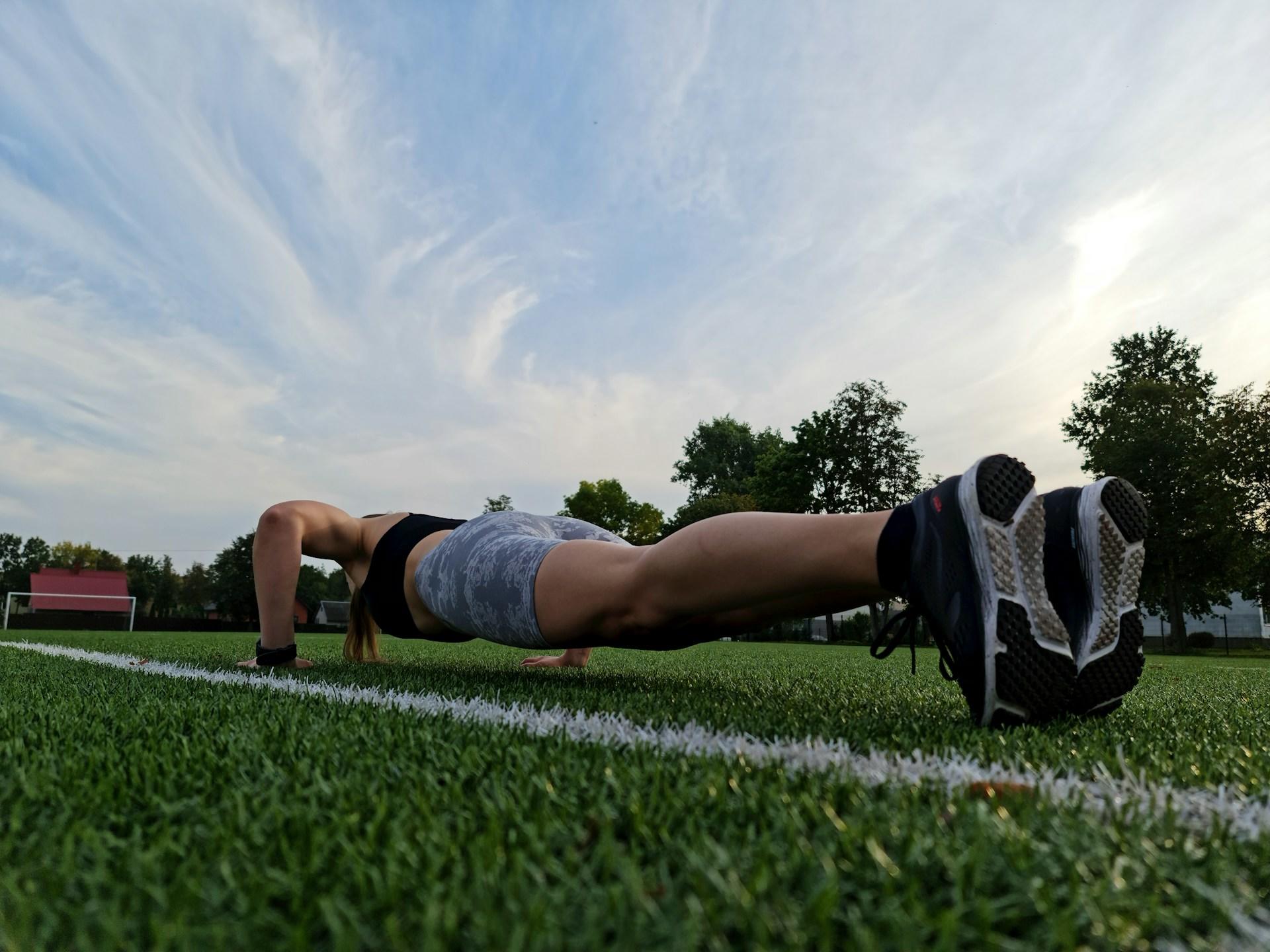
The plank is another extremely common calisthenics exercise, since the level of execution is even lower than for any movement-based exercise, as it's literally just a static position! Here are some tips 2 to start:
Step 1
Align your body in a straight line from head to heel
Step 2
Don't bend at your hips
Step 3
Hold your belly without letting it drop to the floor
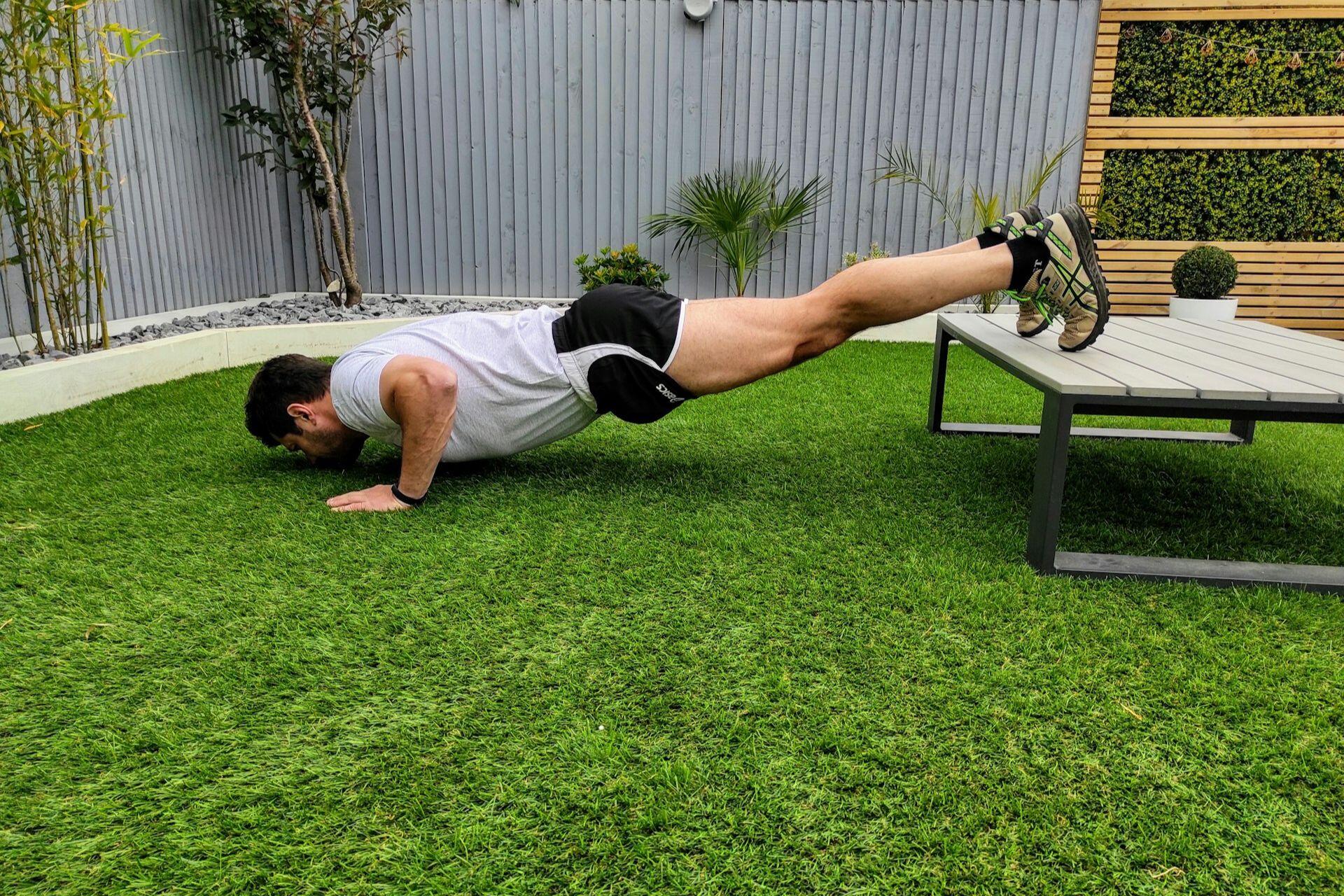
No need to do multiple reps even; you can simply hold the plank position as long as you can to give yourself a good core exercise. The level of difficulty can be adjusted based on the height of your feet to easily adjust how hard you want to work your body.
The plank is one of the simplest and most effective ways to strengthen your core muscles, making it a great exercise to add to your calisthenics workout routine, regardless of your age group.
By completing these exercises, you will improve your calisthenics skills.
💪 Arm Calisthenics Exercises That Don't Require Bars
When you think of arm workouts, you normally think of bench pressing or deadlifting a bar. Luckily, if you don't have a bench or squat rack on your side, you can still do plenty of classic fitness movements to work out your arms.
Start with basic variations of each movement and focus on proper form before increasing difficulty. Building a strong foundation will help you avoid injury and progress more effectively over time.
If you have a high bar or rail somewhere in your house with solid support, pull-ups and chin-ups are some of the most common and effective movements to train your arms, and even form a core part of many non-calisthenic pull day routines among gym goers.
As well as pull-ups, push-ups are one of the best calisthenic exercises to train your arms and chest.
You can change the difficulty level depending on where you put your hands and how high you put your feet, but as long as you keep a straight body, the exercise will still work very well.
🤲 Pull Workouts for Calisthenics
A pull workout should focus mainly on these three muscle areas:
✅ Biceps
✅ Forearms
✅ Back muscles
These muscles focus on bringing the weight towards you. 3 Let's review the best examples and benefits of pull workouts:
Examples
- Pull-Ups
- Bodyweight rows (Australian rows)
- Chin-ups
Benefits
- Enhance back strength
- Minimize injury
- Develop grip strength
🤲 Push Workouts for Calisthenics
A push workout is the natural opposite of a pull workout, a workout focusing on these muscle areas:
✅ Triceps
✅ Deltoids (shoulder)
✅ Pectoral (upper body)
Every set and all of the reps in this training day should be focused on just these muscle groups, to ensure you can rest them when you are working out the others.
As such, it's worth again incorporating exercises specifically designed to focus heavily on this side of your body. Some great examples include variants of push-ups, as well as variants of dips.
These exercises can all be varied and modified to make sure they are the correct difficulty, as well as being modified to increase the focus on specific areas of your muscles where you want to train them.
As with a pull workout, alternating it such that you are giving your chest and triceps appropriate time to rest is likely the best way to make sure you see the maximum muscle growth!
Examples
- Push-ups
- Bench press
- Tricep dips
Benefits
- Enhance functional movements
- Support ankle and knee strength
- Reduce chest tightness
🤸♂️ Leg Workouts for Calisthenics
The natural third component of your training is therefore the leg portion of your training. A leg-focused calisthenics workout primarily targets the following muscle groups:
✅ Quadriceps
✅ Hamstrings (knee and hip)
✅ Glutes (lower body)
These muscles help with major movements involving knee extension, hip extension, and improving overall lower-body power.
Examples
- Lunges
- Leg raises/calf raises
- Bodyweight squats
Benefits
- Improve balance and stability
- Improve athletic performance and injury prevention
- Develop and build lower-body strength
You can start with a combination of these exercises and build from there, or if you have more experience, you can start by incorporating any other lower-body exercises you already know how to do.
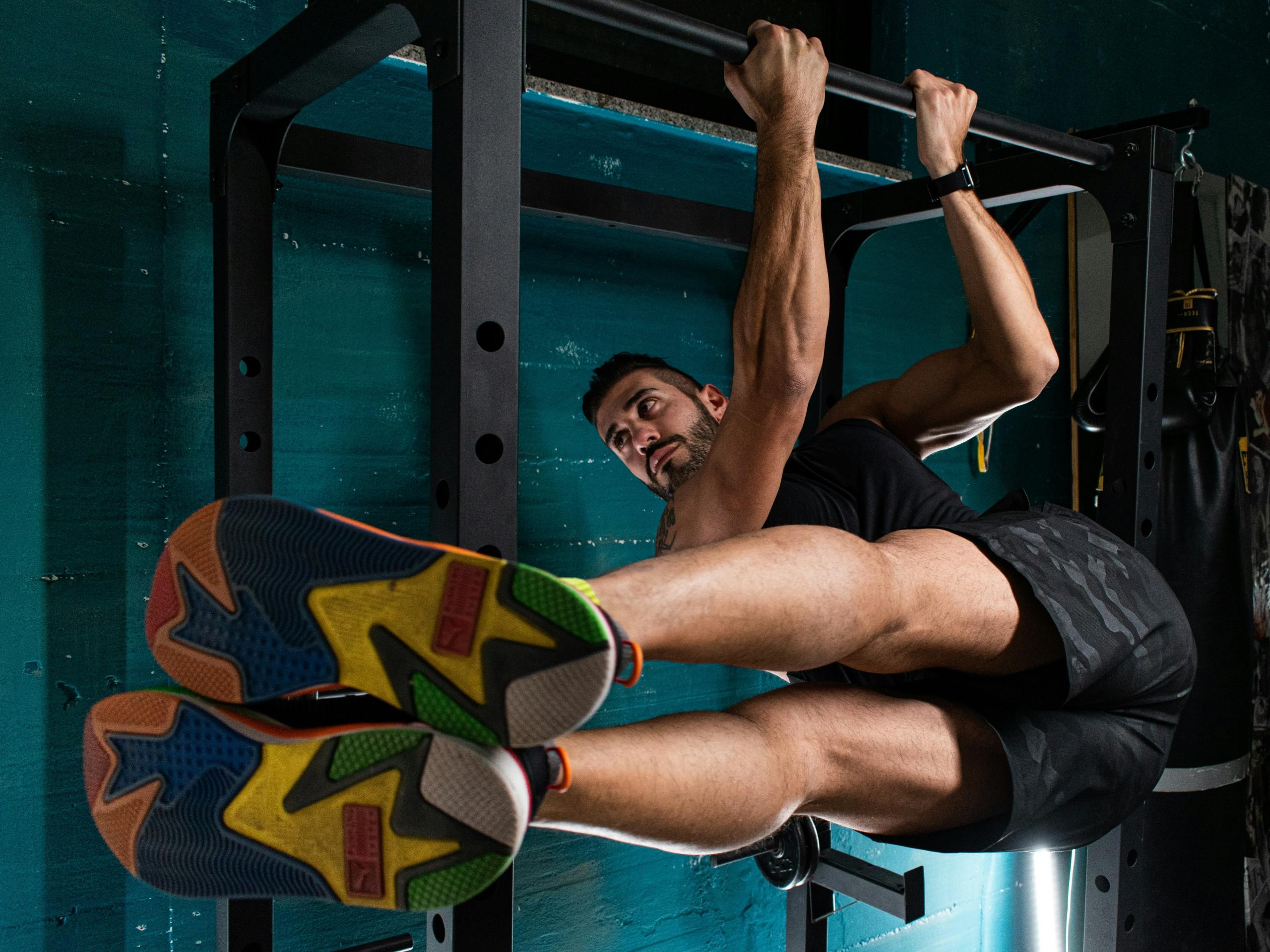
Of course, while improving the strength of your body on your own is entirely possible, the reality is that most people find it very difficult to start from scratch and develop their own exercise plan, and more importantly, actually stick to it.
Some like to compare the differences between calisthenics and weight training, and then choose what's best for them.
🔁 How to Schedule Your Calisthenics Routine?
Just like any other type of workout, calisthenics is all about making sure to appropriately alternate training a muscle close to its limits, and giving it appropriate time to rest and regrow.
One of calisthenics's benefits is that it can adapt to your schedule.
One very common way to split up your workout is to take three consecutive days of exercise, then take a rest day.
Under this workout program, it is most recommended to do one day of push exercises, one day of pull exercises, and one day of leg exercises before taking a rest day.
This is why rest is seen as such an important part of any fitnessroutine, and is something you should focus on when planning your workout routine. Often, the best way to do this is to work out how you want to split up your time, whether it's indoors or outdoors.
One very common way to split up your workout is to take three consecutive days of exercise, then take a rest day. Under this workout program, it is most recommended to do one day of push exercises, one day of pull exercises, and one day of leg exercises before taking a rest day.
This most importantly allows each muscle group to have time to recover! The recovery is extremely important in this process, as muscle growth only occurs during recovery.
Muscle growth comes from tearing muscles (microscopically and safely) by working them very hard during exercise, and then allowing them to heal and repair themselves stronger
Here's a simple training schedule overview that you can modify according to your preferences:
Monday
Push exercises
Example: Push-ups, dips
Tuesday
Pull exercises
Example: Pull-ups, chin-ups
Wednesday
Legs exercises
Example: Squats, calf raises
Thursday
Rest
The focus is on recovery
Friday
Core exercises
Example: Plank, leg raises
Saturday
Full body exercises
A mix of different exercises
Sunday
Light exercises/Rest
Walking, stretching, or full rest before a new training begins
Here are some training guidelines that we recommend you follow for an effective outcome:
- Perform 3–4 sets per exercise
- Aim for 8–15 reps (or time-based for planks)
- Rest 30–90 seconds between sets
- Focus on proper form over quantity
If an exercise becomes too easy, increase the challenge by adding more reps, more sets, or harder variations. Progression is key to continuing strength gains in calisthenics.
We hope this article has offered you a balanced training guideline for calisthenics. Slowly build up the momentum and continue consistently. Your body will thank you for it.
References
- So, What’s a Calisthenics Workout, Anyway? (2026, January 12). Nike.com. https://www.nike.com/a/what-is-calisthenics-workout
- Harvard Health Publishing. (2019). Want a stronger core? Skip the sit-ups - Harvard Health. Harvard Health; Harvard Health. https://www.health.harvard.edu/staying-healthy/want-a-stronger-core-skip-the-sit-ups
- Taylor, D. (2024, June 25). Push vs pull: Which exercise gets the biggest results? British GQ. https://www.gq-magazine.co.uk/article/push-vs-pull-exercises
Summarize with AI:
Did you like this article? Leave a rating!


 Loading...