
Nutrition plays a vital role in how our bodies function. The quality of our diet impacts everything from our energy levels and digestive health to our immune health. Ensuring you're getting the proper nutrition is the first step towards taking care of yourself from the inside out and investing in your long-term well-being. Discover all the proper nutrition benefits for overall health.
Quick look at the key benefits:
- Nutrition keeps your body healthy – A balanced diet with the right mix of nutrients gives your body energy and helps it work properly.
- It strengthens your immune system – Eating well can help protect you from getting sick and lowers the risk of diseases like diabetes and heart problems.
- It helps you stay at a healthy weight – Good nutrition supports strong bones, teeth, and overall physical health.
- It boosts your mood and mental health – A healthy diet can improve how you feel, help you focus, and support a better quality of life.


Understanding Proper Nutrition
Food is what fuels us and impacts us immensely. You might even know that certain foods are known to have properties that can help with several things. But do you really understand what it means to have proper nutrition?
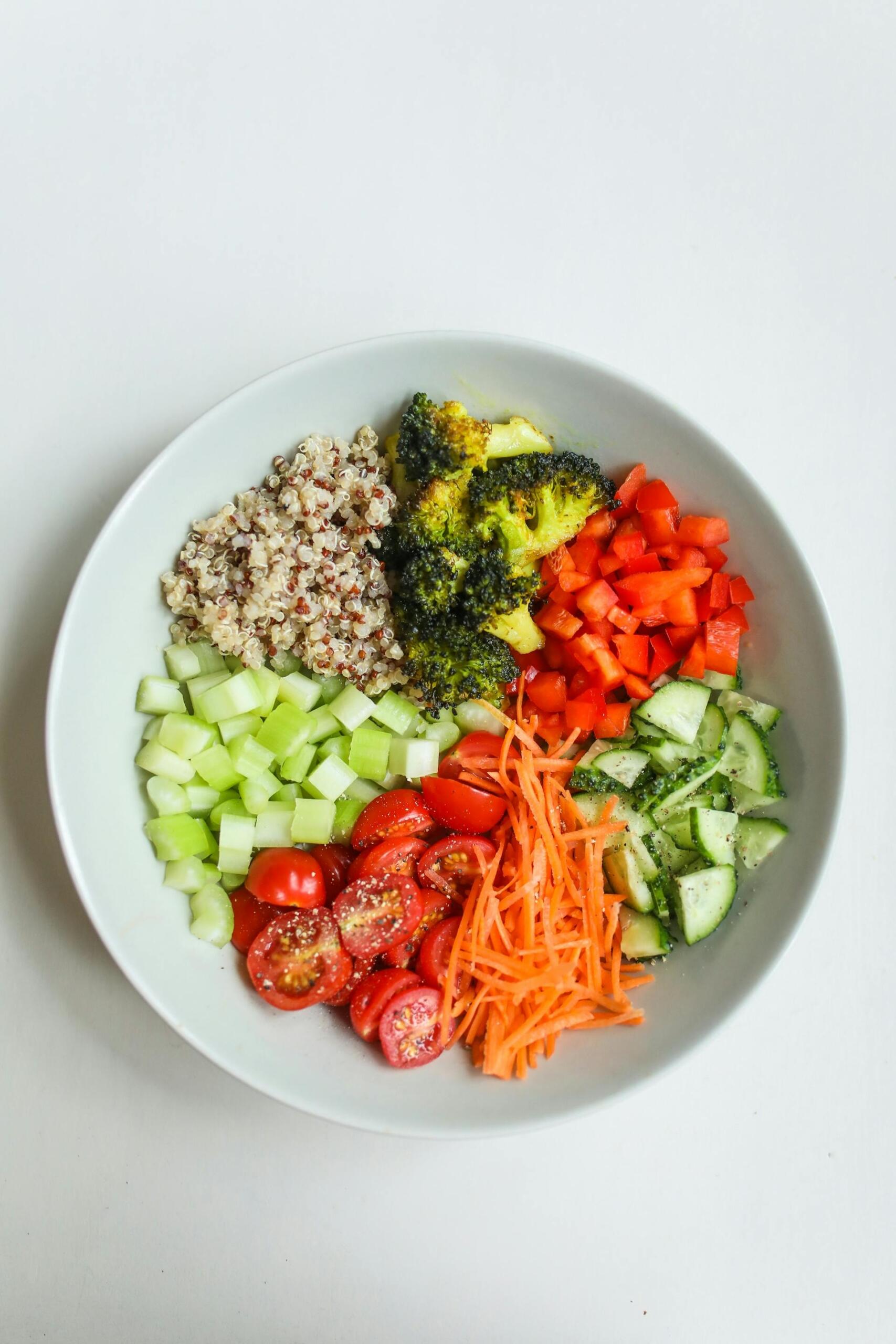
Eating a proper diet means providing your body with all the necessary nutrients, in the right amounts and proportions, to maintain health, promote growth, and prevent diet-related diseases.
Proper nutrition involves consuming adequate amounts of macronutrients and micronutrients for your age and nutritional status.
Macronutrients include carbohydrates, which provide immediate energy; proteins, which are essential for tissue formation and repair, immune and hormonal functions; and fats, which are an important source of energy, for vitamin absorption and organ protection.
On the other hand, micronutrients include vitamins and minerals, which are essential for regulating metabolic, immune, and bone processes and cellular function, among others. But what are the benefits of proper nutrition?
The Role of Balanced Diets
All right, now that you know what constitutes proper nutrition, we need to talk about how to achieve it through a balanced diet. A balanced diet is essential for your functioning and for maintaining your overall health, as it ensures an adequate supply of energy and nutrients (a balanced intake of macronutrients and micronutrients).
Proper nutrition benefits promote healthy weight maintenance, proper body function, and the prevention of chronic diseases such as diabetes, cardiovascular disease, and digestive disorders, as well as emotional well-being and improved quality of life. Thus, making the right lifestyle changes and improving your diet with the help of health professionals will help you stay healthy and prevent disease. Learn more about what foods to eat for disease prevention.
Registered Dietitians (RDs) are the health professionals certified to assess nutritional status, develop personalized meal plans, and manage disease. In Canada, they are regulated health professionals with university training in nutrition, supervised practice, and mandatory provincial certification. 1
Find a nutritionist expert near you on Superprof.
Enhanced Immune Function
Let's start from the beginning. The immune system is a complex network of organs, cells, and proteins that defends the body against infection while protecting its own cells. And did you know that nutrition plays an essential role in regulating the immune function?
Although maintaining the immune system depends on many factors, such as adequate sleep, exercise, and low stress, proper nutrition provides it with the nutrients it needs to fight infection and disease. 2
A balanced diet rich in a range of vitamins and minerals, as well as macronutrients such as amino acids, cholesterol, and fatty acids, has a massive impact on immune activity.
For example, vitamin A is essential for effective modulation of immune function. Vitamin C and vitamin D fight against and destroy tumor cells. And cholesterol regulates the immune function. 3

Did you know that a balanced diet rich in vitamins and minerals is also great for your skin? Whether it's acne or anti-ageing, or anything else, nutrition plays a role in keeping our skin healthy.
Improved Cardiovascular Health
A heart-healthy diet, including an adequate intake of fruits, vegetables, legumes, whole grains, and lean protein sources, is outlined in the guidelines for preventing cardiovascular disease. As well as moderate or no consumption of processed foods, trans fats, and sugary drinks.
Indeed, the Mediterranean diet (fish, fruits, vegetables, beans, whole grains, high-fiber breads, and olive oil), the DASH diet (Dietary Approaches to Stop Hypertension), and plant-based diets are all cardioprotective and recommended by healthcare professionals. In addition, did you know that research shows our diet affects the gut microbiome and heart health? 4
Did you know that up to 80% of premature heart disease and stroke can be prevented through your life habits, such as eating a healthy diet and being physically active? 5
Weight Management
Keeping your weight in the normal range is key, as having a body mass index (BMI) outside the recommended ranges can increase the likelihood of developing health problems. Being overweight increases the chances of heart disease, high blood pressure, stroke, and diabetes.
However, being underweight also increases your chance of developing osteoporosis and anemia, and it may be harder to recover from an illness or infection. In fact, some symptoms of malnutrition include loss of healthy hair and brittle hair.
If you are trying to achieve a healthy weight, aim for a diet rich in vegetables, fruits, whole grains, low-fat dairy, and lean proteins.
If you’re concerned about your weight, talk with a health care professional about how to make healthy changes that are right for you. 6
Having healthy hair also comes down to your nutrition. Just like so many other things, nutrition plays a role in how our bodies look and feel. If your hair is dry or thin, your nutrition could be the cause. If you want to start improving your hair, it's time to work with a nutritionist.
Stronger Bones and Teeth
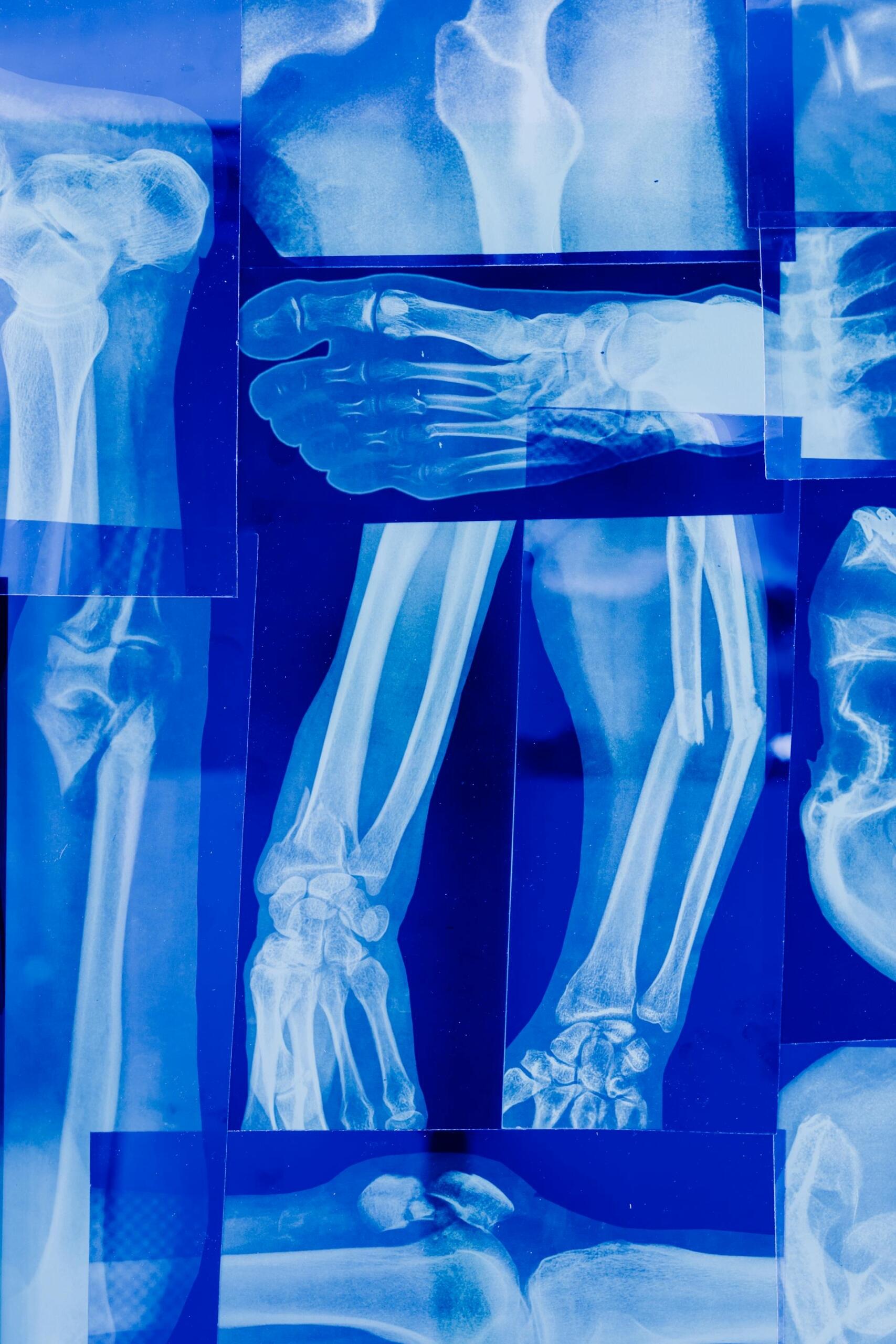
Both calcium and vitamin D are essential nutrients that play a crucial role in maintaining teeth and bones. On the one hand, calcium provides bone tissue with its hardness and density. Therefore, when you have a calcium deficiency, you are likely to experience tooth decay, fractures, and breaks.
On the other hand, vitamin D plays a complementary role to calcium, as it contributes to its absorption. Therefore, when vitamin D levels are low, our body cannot absorb calcium properly, and bone mineralization is affected.
In addition, vitamin D has also anti-inflammatory and immunoregulatory properties.
So, what are some sources of calcium and vitamin D to include in our daily diet? To ensure you are getting enough calcium, include: dairy products (milk, cheese, and yogurt), leafy green vegetables (broccoli, kale, and spinach), and plant-based milks and cereals.
Vitamin D can be obtained through exposure to sunlight, by consuming fatty fish (such as salmon and mackerel), egg yolks, and fortified foods (such as milk, orange juice, and cereals). 7
Did you know that even nutrition plays a role in our eye health? To learn more about how Omega-3 fatty acids and vitamin E can prevent age-related eye damage, read our article on nutrition for healthy eyes.
Enhanced Mental Well-being
Did you know that the gut and the brain are more connected than you think? In fact, that's why eating a healthy diet has a positive impact on the gut-brain axis. Nutritional neuroscience plays an important role in mental health disorders, as certain neurological and immunological pathways, as well as the gut microbiota itself, mediate communication between the two axes. 8

Did you also know that some neurotransmitters are produced in the gut?
Neurotransmitters enable communication between the brain and other parts of the body, and any alteration in their levels or functioning can lead to neurological and psychiatric disorders.
The benefits of nutrients are also associated with the management of depression.
Vitamin B3, B6, vitamin C, inositol, and folate, which are present in gut-friendly foods, have antidepressant effects.
As you can see, eating better is essential for your digestive system and for maintaining your mental health.
Practical Tips for Achieving Proper Nutrition
Incorporating a Variety of Foods
It's very important to include all food groups in each meal, such as fruits, vegetables, whole grains, proteins, and healthy fats. Including different foods from different groups will improve the quality of your diet, meet your nutritional needs, reduce dietary deficiencies, and promote a healthier lifestyle in the long term. But, how to achieve the benefits of nutrients and improve the quality of your diet?
Be aware of portions 🍛
Aim for a healthy plate at every meal:
- 1/2 plate of vegetables and fruits
- 1/4 plate of protein sources
- 1/4 plate of whole grain sources
Choose healthy drinks 🍹
- Drink mostly water throughout your day.
- Moderate beverages sweetened with artificial sweeteners.
- Cut back on sugary drinks and fruit juices.
Eating your 5 a day 🍅
Eat at least 5 portions of fruit and vegetables daily:
- They are a good source of vitamins and minerals.
- Excellent source of dietary fibre.
- Reduce your risk of heart disease, stroke, and cancer.
Limit sugar, salt and fat 🧁
Avoid foods high in sugar, salt, or fats, like:
- Crisps and fries.
- Packaged cakes, biscuits, and pies.
- Ice cream.
- Sweets and chocolate.
- Some ready or frozen meals.
Prefer home-made meals 🍳
Benefits of home cooked meals:
- Choose foods that are boiled, baked, or grilled.
- Home cooking contains fewer additives, less processed fat, sugar, and sodium.
- Portions can be adjusted.
Selecting filling foods 🥦
Choose foods that make you feel fuller:
- Choose protein- and fiber-rich foods for snacks.
- Include small portions of healthy fats, such as nuts and avocado.
- Add vegetables to increase the volume of your meals.
Reading and Understanding Food Labels
Because we consume many packaged products today, it is always important to know how to read nutrition labels. Checking the serving size, calorie content, and nutrient content will help you identify healthier options. Here are some tips:
| Item | Recommended Value | How to Interpret It on the Label |
|---|---|---|
| Serving size | Depends. Check how many servings each product contains | All values are based on this amount; compare it with what you actually eat |
| Calories | ~2000 kcal/day (average) | Helps manage overall daily energy intake |
| Total fat | 30–35% of daily calories | Prioritize unsaturated fats |
| Saturated fat | ≤10% of daily calories | 5% DV or less = low (recommended); 15% DV or more = high |
| Trans fat | 0 g = Ideally 0 g per serving. | Avoid whenever possible |
| Sodium | ≤2300 mg/day | 5% DV or less = low (recommended); 15% DV or more = high |
| Sugars | <10% of daily calories | Limit foods with added sugars. 15% DV or more = high. |
| Fibre | 25–38 g/day | 4 g = good source; 6 g = excellent source |
| Protein | ~0.8 g/kg body weight/day | Supports satiety and muscle maintenance |
| % Daily Value (%DV) | — | 5% or less = low; 15% or more = high |
| Ingredient list | — | Fewer and more recognizable ingredients = better option. |
The Daily Value (DV) is a reference on some nutrition labels that indicates how much of a specific nutrient a serving of food provides relative to a person's average daily needs.
It is expressed as a percentage (%DV) and helps you quickly assess whether a food contains little or a lot of a nutrient. As a general rule, 5% DV or less is considered low, and 15% DV or more is considered high, making it easier to compare products and make more informed food choices.
Meal Planning and Preparation
Planning and preparing your meals is highly recommended for maintaining a nutritious diet, avoiding impulsive decisions and getting all the benefits of nutrients. You can follow these recommendations below to make it easier to control what you eat:
Common Misconceptions About Nutrition
Because we live in a society where diets are extremely common, numerous food myths cause confusion and lead to unhealthy practices. Debunking these myths allows us to adopt more realistic, safe, and sustainable habits focused on overall well-being rather than extreme restrictions. Some of these myths are:
| Diet Culture Myth | What Science Says |
|---|---|
| Carbs make you gain weight | Weight gain depends on overall intake not carbs alone |
| All fat is bad for your heart | Healthy fats support heart health excess saturated and trans fats are the issue |
| Skipping meals helps with weight loss | Skipping meals can increase hunger and overeating later |
| Detox diets cleanse the body | The liver and kidneys already remove toxins |
| Supplements can replace real food | Whole foods provide nutrients supplements cannot fully replace |
Understanding Supplements
Dietary supplements can be helpful in specific situations, for example, when a person has certain diagnosed nutritional deficiencies, is at certain stages of life (such as pregnancy), or lives with particular medical conditions.
However, it is important to note that supplements are not a substitute for a balanced diet; you should obtain all the benefits of nutrients and meet your nutritional needs through food.
In addition, did you know that indiscriminate use of supplements can even be harmful? A health and nutrition professional should always evaluate their consumption to determine whether they are truly necessary and at what dose.
Find nutrition courses online anywhere in Canada with Superprof.
References
- Dietitians of Canada - Join one of the largest communities of dietitians in the world. (n.d.). https://www.dietitians.ca/About/Learn-About-Dietitians
- Powell, J. (2025, January 17). Nutrition and Immunity • The Nutrition Source. The Nutrition Source - Harvard Chan School. https://nutritionsource.hsph.harvard.edu/nutrition-and-immunity/
- Munteanu, C., & Schwartz, B. (2022). The relationship between nutrition and the immune system. Frontiers in Nutrition, 9, 1082500. https://doi.org/10.3389/fnut.2022.1082500
- Diab, A., Dastmalchi, L. N., Gulati, M., & Michos, E. D. (2023). A Heart-Healthy Diet for Cardiovascular Disease Prevention: Where are we now? Vascular Health and Risk Management, Volume 19, 237–253. https://doi.org/10.2147/vhrm.s379874
- Kevin. (2025, February 1). February Heart Month — 10 Healthy Heart Tips • Cardiovascular Network of Canada — CANet. Cardiovascular Network of Canada — CANet. https://canetinc.ca/news/february-heart-month-10-healthy-heart-tips/
- Maintaining a healthy weight. (2022, April 7). National Institutes of Aging. https://www.nia.nih.gov/health/healthy-eating-nutrition-and-diet/maintaining-healthy-weight
- Pediatric Dentistry West. (2024, March 18). Basics of nutrition for healthy teeth. https://bozicdds.com/basics-nutrition-healthy-teeth/
- Ajay, A., Gaur, S. S., Singh, J., Shams, R., Dash, K. K., Shaikh Mukarram, A., & Kovács, B. (2025). Dietary Influences on the Gut-Brain Pathways: Mechanisms and Therapeutic Potential. Human Nutrition & Metabolism, 200349. https://doi.org/10.1016/j.hnm.2025.200349
Summarize with AI:
Did you like this article? Leave a rating!


 Loading...